

The immediate problem: performance specs collide with customs paperwork
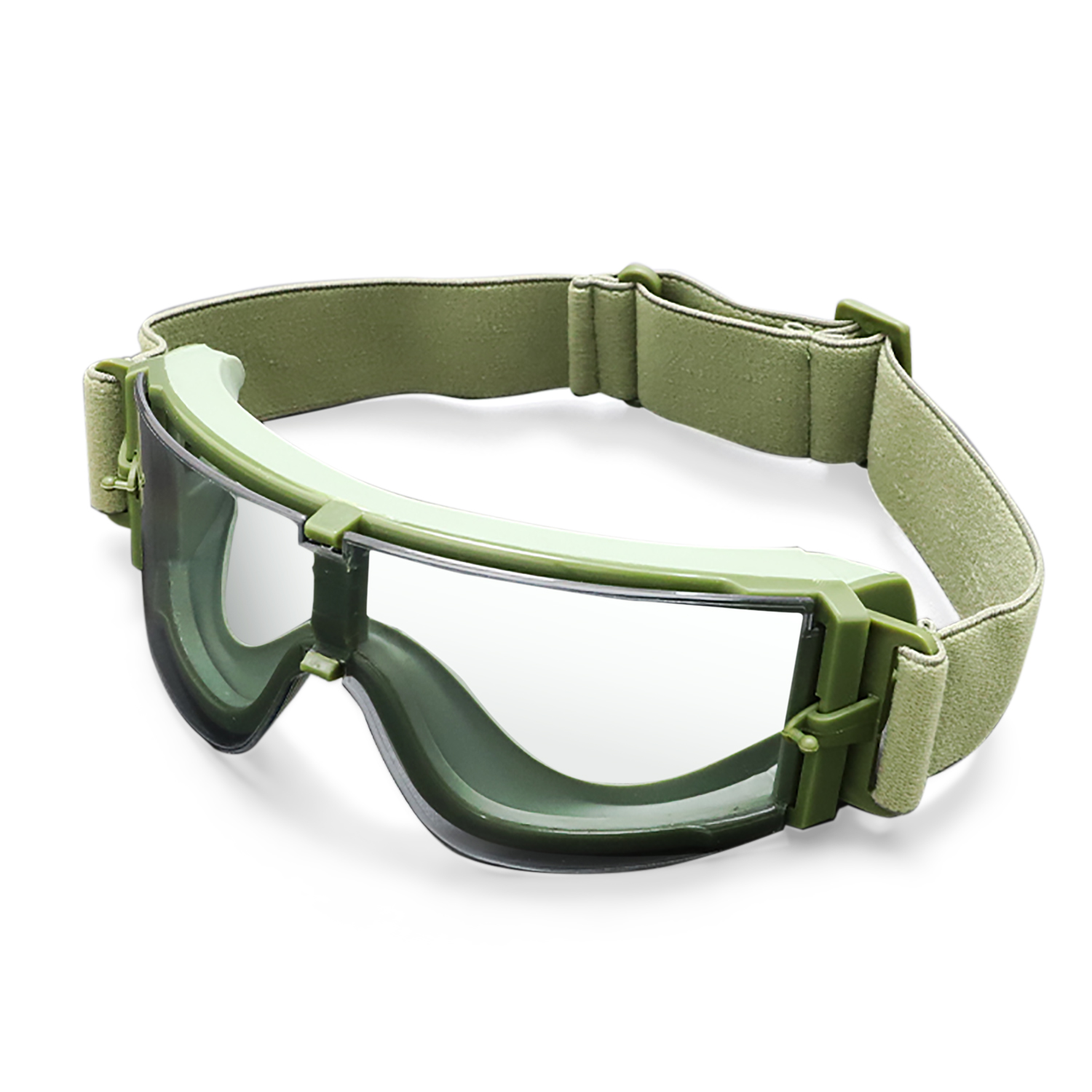
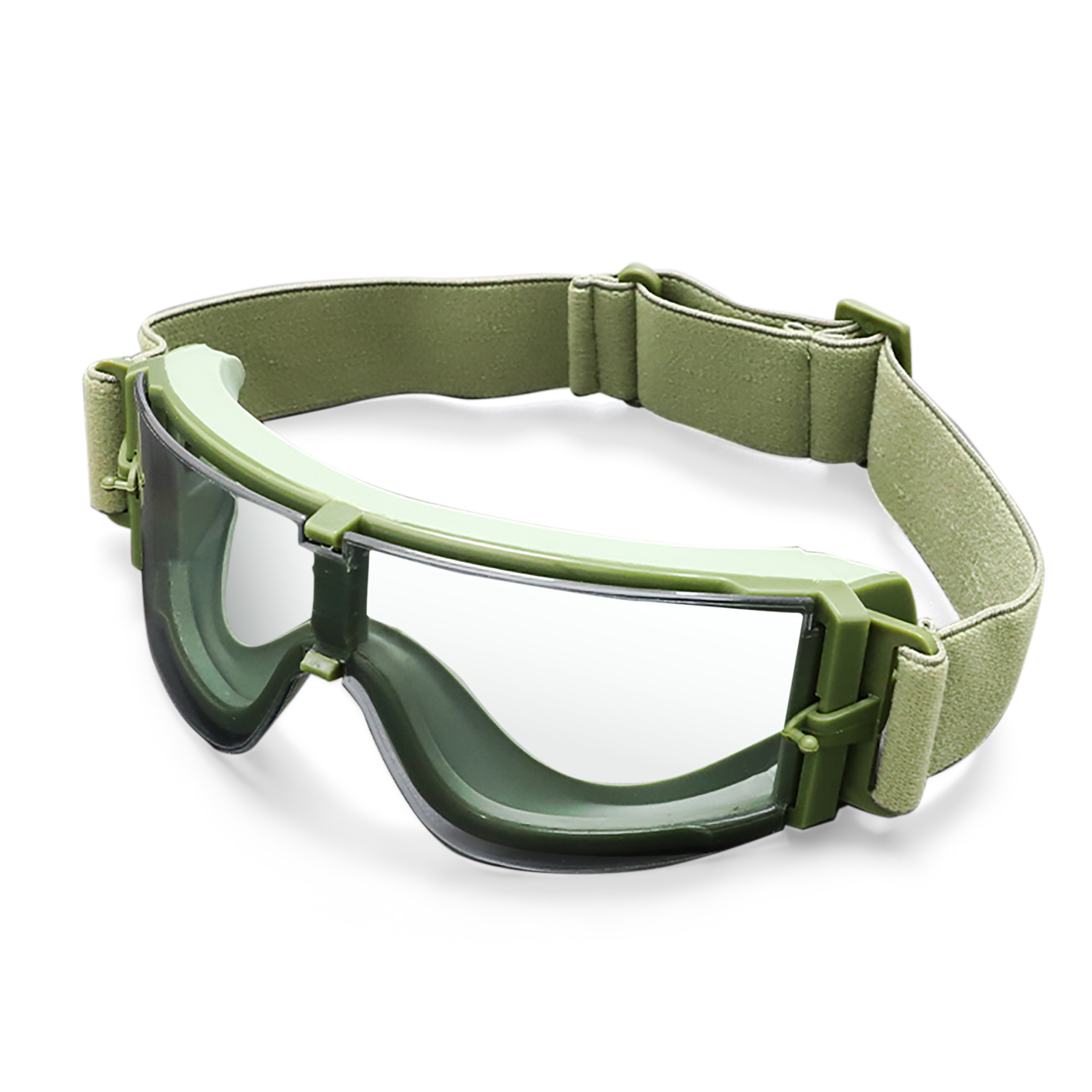
Design teams building custom sports eyewear face a practical bottleneck: component performance must meet athlete needs while import/export rules and lead times stay manageable. That clash often shows up as fogging in the field, mismatched lens tints, or delayed shipments of precision parts—problems that push prototypes into repeated rework. For tactical programs and heavy-duty training, brands often shift to tried-and-true models like anti-fog tactical goggles because they combine anti-fog coating, impact resistance, and predictable supply lines.
Where the supply chain breaks down
Three consistent failures trip up sourcing: incorrect HS/tariff classification, poor QA on first articles, and underestimating transit constraints. Mislabeling injection-molded lenses or AR-coated inserts under the wrong Harmonized System code can trigger audits and weeks-long holds. Small differences — like specifying a polarizing laminate instead of a polarized lens — lead to costly returns. Many brands also forget to confirm ballistic rating and optical distortion tolerances before signing large orders. — This attention-to-detail gap explains most late-stage design changes.
Spec choices that prevent returns and real-world failures
Prioritize specs that reduce ambiguity in inspection and in the field. Use clear acceptance criteria: allowable optical distortion in diopters, minimum impact resistance (MIL-PRF or equivalent), and verified anti-fog coating durability cycles. For sports sunglasses, lens tint should be tied to intended light conditions, not just aesthetics: contrast-enhancing tints for trail running, neutral gray for multisport. Over-the-glasses (OTG) compatibility and frame geometry also affect fit and seal—two factors that influence fogging no less than the coating itself. Suppliers of anti-fog military goggles frequently publish test reports you can use as baselines when drafting your tech pack.
Practical QA and testing steps that save time
Adopt a short, repeatable test suite to avoid surprises: initial optical bench tests, impact checks, and fog chamber cycles. Run a 24–48 hour wear test with athletes under the expected conditions; field feedback is often more revealing than lab numbers. Include a sample-retention policy to ensure you can trace failures back to batch numbers. For overseas manufacturing, document packaging and labeling exactly—customs inspections often hinge on those details, and a small mismatch can convert a two-week shipment into a two-month headache.
Common mistakes and how to avoid them
Manufacturers and brands trip over the same few issues. Avoid these pitfalls:
– Vague technical drawings: specify lens material, thickness, and tolerances rather than broad descriptors.
– Skipping pre-shipment inspection: always require a final inspection report with photos and measurement logs.
– Ignoring lead-time buffers: factor customs clearance and rework time into your production schedule.
– Underestimating certification: if you claim ballistic performance, secure a certified test report rather than trusting supplier claims.
Three golden rules for choosing optics suppliers
1) Measure traceability: insist on batch-level traceability for lenses and coatings. If a fogging issue appears, you must isolate affected lots quickly. Metrics: batch ID coverage and sample-retention period.
2) Prioritize verified performance data: require supplier test reports for anti-fog coating cycles, optical distortion, and impact resistance. Metrics: cycles-to-failure, diopter variation, and impact rating standard referenced.
3) Lock down logistic specs: define HS codes, incoterms, and packaging dimensions in the contract. Metrics: agreed clearance time, penalty for late delivery, and accuracy of commercial invoices.
These rules reduce rework and make suppliers accountable — and that’s precisely where reliable partners win. Companies like YIJIA Optical bring decades of component experience and clear documentation that align with these metrics, helping brands move from prototypes to production with fewer surprises. — Final thought: trusting the process beats firefighting every time.
