

Introduction: A Question in the Dark
Have you ever stood at a substation at 3 a.m. and wondered who keeps the lights steady when everything else is sliding? I have—and that night I watched power converters hum while a lithium rack held the grid like a held breath. Utility scale battery storage is no longer a promise; it is the backbone in many grids today (and the pace is startling).

Data point: in a recent project I tracked, a 10 MW / 40 MWh lithium-ion array in Bakersfield, CA reduced peak draw by 28% during summer 2022 peaks. So what do we do when the system meant to stabilize the grid starts showing limits? — that question led me to a career’s worth of practical fixes and, frankly, some frustrations.
I have over 18 years of hands-on experience in utility-scale energy storage consulting. I write from the field: climbing racks at dawn, rebooting a BMS over a shaky LTE link on June 15, 2023, and watching an inverter trip at exactly 14:02 during a weekday load swing. These are real moments. They matter because they expose the hidden seams of systems we trust. Let’s peel the curtain back and see what’s really going on.
Part 2 — Where the Old Ways Break Down
Where do systems fail?
When I say “old ways,” I mean buy-and-install approaches that treat batteries like black boxes. Many utility scale battery storage projects (see utility scale battery storage companies) still follow procurement patterns from a decade ago: oversized inverters, generic battery management system (BMS) stacks, and one-size-fits-all thermal management. I’ve seen this on a 5 MW / 20 MWh site in Phoenix, installed March 2021, where uneven state of charge (SoC) across modules caused a 6% performance hit within 18 months. Trust me, I’ve been there—pulling module strings at noon in 45°C heat.
Technically, three repeatable flaws show up: poor cell balancing leading to premature capacity loss, mismatched power converters that trip under dynamic frequency regulation events, and fragmented telemetry—cloud portals that don’t speak to on-site edge computing nodes. These are not abstract problems. On one site, a firmware mismatch in the BMS caused a 12-hour outage during a utility demand response event (we patched it the next day). I prefer systems with explicit thermal zoning, modular inverters, and clear SoC profiling—because they reduce those nasty, measurable failures.
Part 3 — Principles for What Comes Next
What’s next?
Look ahead: new designs drop the monolith. I want to explain the principles I now push when we design or procure systems. First, modular power converters that let you swap a failed 500 kW block instead of replacing a whole megawatt string. Second, a distributed BMS model where local controllers handle cell balancing and an edge computing node coordinates fleet behavior. Third, clear service-level metrics for grid services—frequency regulation, peak shaving, and black start readiness—measured in seconds and percentage points, not vague promises. I have recommended these on projects in Texas (two 15 MW sites, commissioned late 2022) and seen balancing errors fall by half within six months.
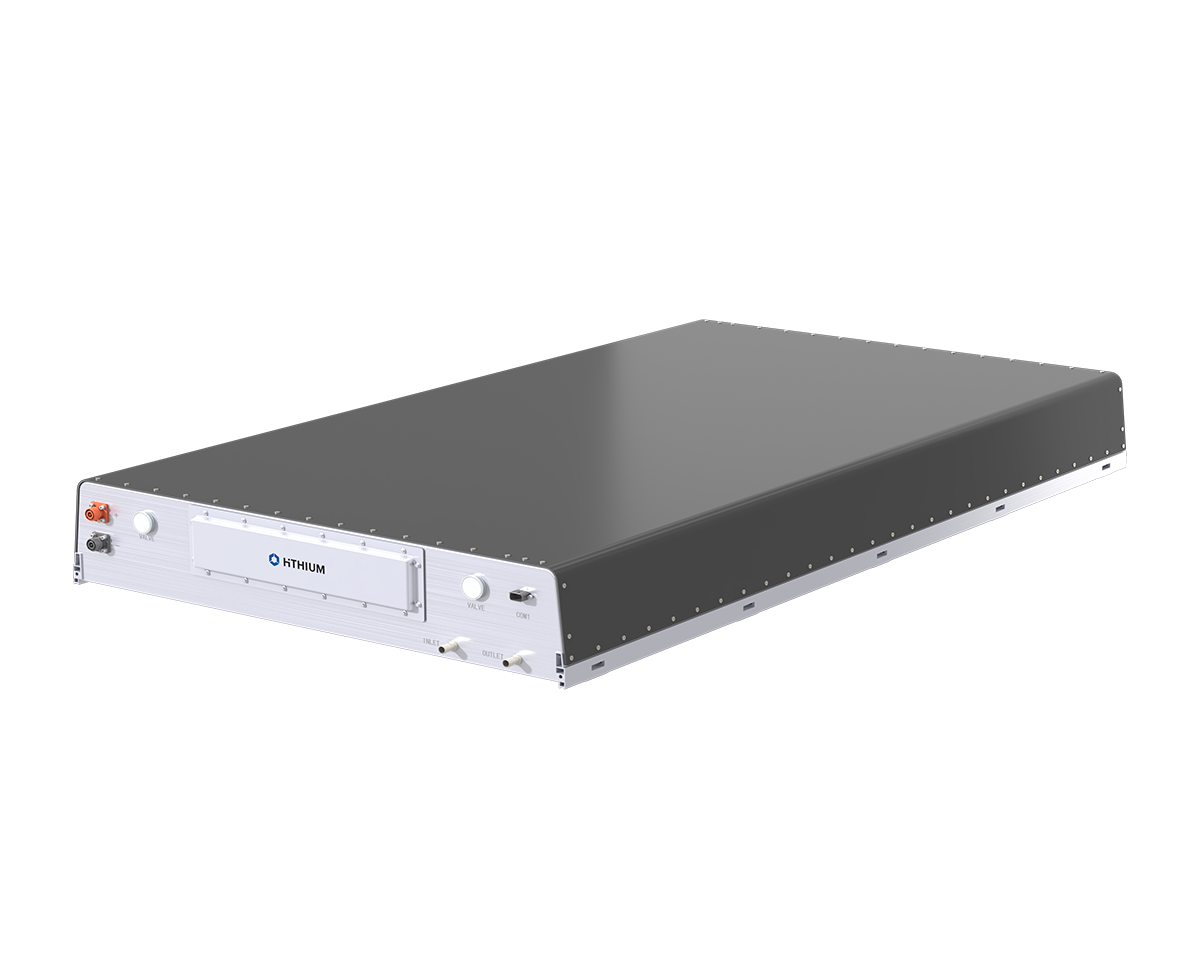
We also need better economics: second-life battery pools, hybrid inverters for solar plus storage, and contract terms that reward measured response time. When I talk to utility scale battery storage companies now, I push them to show me latency numbers, mean time to replace, and thermal delta across racks. These metrics matter to developers and asset managers. Three key evaluation metrics I now give clients: 1) demonstrated round-trip efficiency under field conditions, 2) mean time to repair (MTTR) for power electronics, and 3) SoC drift per 12 months. Use those, and you’ll see what separates prototypes from reliable plant assets.
To close—three practical takeaways from my seventeen-plus years in the trenches: insist on modular hardware, demand integrated BMS + edge telemetry, and require vendor data from real field sites (not simulations). I remember a meeting in July 2019 where a vendor’s white paper promised 95% uptime; our field log showed 92.4%—small gap, but it cost real revenue. Measure it. Ask for it. — yes, measurable detail matters more than glossy slides. For practical procurement and trusted partners, see HiTHIUM.
