

Introduction — a skeptical start
Ever notice how workplaces buy a fancy exhaust unit and expect the air to clear itself like magic? That’s the scenario: a shop floor, a sickly smell, and someone crossing their fingers. In most cases the culprit is poor design or wrong use of fume extraction technology — and yes, the numbers show it: many local tests report particle counts and VOC readings well above safe limits within days of installation. So I have to ask: are we solving pollution or just buying pieces of hardware to hang on the wall? (Do you really think a lone fan fixes systemic problems?)
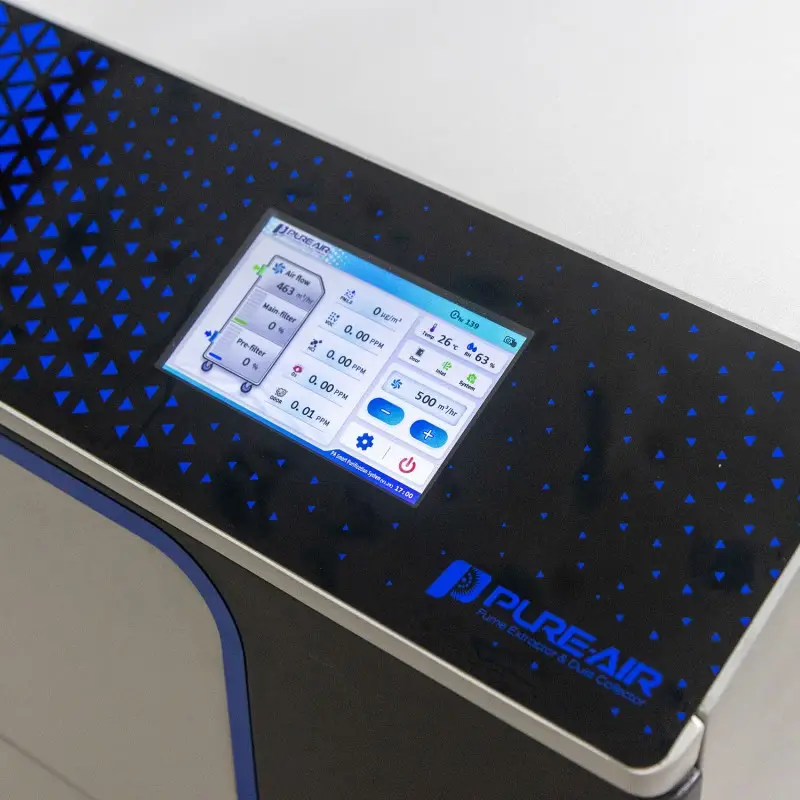
I’m going to be blunt. We see the same mistakes repeated — undersized ductwork, neglected filters, and mismatched airflow. I find it frustrating and oddly avoidable. Below I’ll walk through the real flaws, the hidden pains users face, and where better systems should take us next. Stick with me — we’ll get practical fast.
Why standard fume extraction and filtration systems often fall short
fume extraction and filtration systems get sold on specs and glamour, but let me tell you: specs don’t live in the workspace. Technically speaking, many systems are chosen by headline numbers — CFM, filter class, or motor rating — without matching real task needs. The result is uneven capture, bypass leakage, and filters that clog too fast. I’ve seen HEPA cartridges clogged by heavy particulate because the pre-filter stage was ignored. We use terms like airflow, particulate matter, and VOC control, yet the installation ignores where the plume actually travels. It’s maddening.
Look, it’s simpler than you think: if suction points aren’t placed at the source, fan motors just move air around the room. Add to that poor maintenance plans (filters left for months) and you’ll get performance that drops off a cliff. My team and I often measure differential pressure across filters and find odd pressure curves — a sign the system was sized wrongly. The industry talks about filtration efficiency and activated carbon beds, but too few people check duct leakage, fan curve matching, or operator behavior. — funny how that works, right?
What exactly goes wrong?
Common failures: undersized ducts that choke airflow, incorrect filter stage sequencing, and neglect of fan curves and power converters. These lead to high noise, poor capture, and wasted energy. I’ve walked through facilities where the extraction hood was simply too far from the source — an ergonomics miss as much as an engineering one. We must treat these systems as part of a work process, not a checkbox on a purchase order.
New technology principles and a forward look
Now let’s shift gears and look ahead. The next wave isn’t just stronger fans — it’s smarter systems. I’m talking about integrated sensing, adaptive control loops, and modular filtration stages that respond to load. When we design fume extraction and filtration systems for real workplaces, we layer particle counters at key points, tie in airflow sensors, and feed that data into edge computing nodes for on-the-fly adjustments. That reduces over-filtering, extends filter life, and keeps capture rates steady. I like this approach because it treats the problem like a living system rather than a static box.
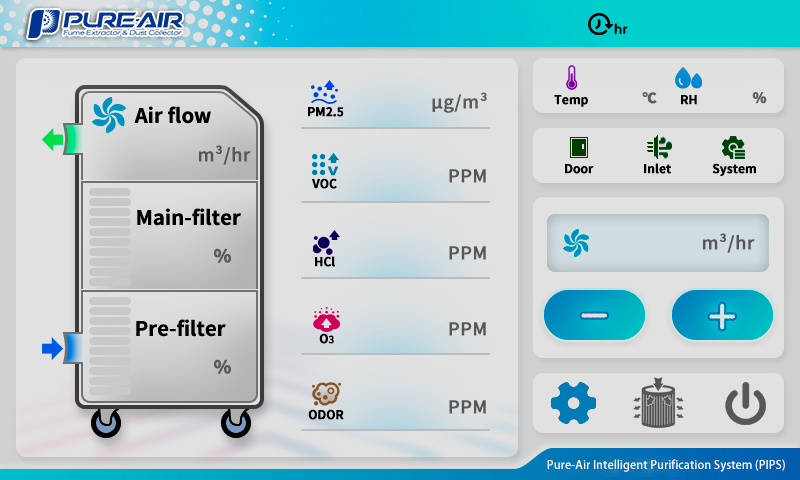
There’s also progress in filter media and energy recovery. Imagine activated carbon beds that regenerate or hybrid HEPA stages paired with targeted pre-separators for heavy dust. These choices cut running costs and lower maintenance time. Still, we must balance tech hype with practicality: new sensors mean new calibration and more training for staff. We need clear user interfaces and dashboards that operators actually use. If the interface is confusing, the smartest system in the world becomes a paperweight — and I’ve seen that happen more than once.
Real-world impact?
In projects I’ve advised, adding simple flow visualization, routine differential pressure checks, and a modest amount of automation cut contaminants by half and doubled filter life — measurable wins, not just marketing claims. That’s the kind of result I favor: real numbers, less fuss, and safer air.
Closing: practical evaluation metrics and parting thoughts
Before you buy anything, here are three metrics I personally use to evaluate systems — not trendy buzzwords, but solid checks you can run on site:
1) Capture effectiveness at source (measure with a particle counter where the plume exits). If the hood doesn’t catch it, nothing else matters. 2) Filter stage match and differential pressure trends (watch how pressure rises over weeks). If it spikes quickly, the pre-filtering is wrong. 3) System adaptability and usability — can operators adjust airflow without breaking the warranty? Is the control interface clear? These questions separate boxes that gather dust from systems that protect people.
I’ll be honest: I care about this because I’ve seen people tolerate poor air as “normal.” We don’t have to accept that. With smarter design, decent maintenance, and a little humility, we can do much better — and we should. For those looking to explore modern solutions, check what modular, sensor-driven designs offer and weigh energy and lifecycle costs, not just headline specs. For practical, tested options, I recommend reviewing detailed system data and talking to vendors who will share real-world performance numbers. — that transparency matters.
For more reference and system options, see PURE-AIR: PURE-AIR.
