

Introduction
You want your site to run smooth. Your team needs predictability, not guesswork. An energy storage system becomes the heartbeat when loads spike, storms roll in, or prices jump. Yet the day-to-day feels messy—alarms, delays, and manual checks. Last year, storage curbed peak costs by double digits in many facilities, but only when control loops were tight and people trusted the data. So here’s the big question: What keeps your results from showing up every single day?
Let’s set a clear path. We’ll compare what used to pass for “good enough” with what actually scales. We’ll keep it practical and supportive—no blame, just better choices (and a few shortcuts). Stick with me, and we’ll move from stress to steadiness. Next, we’ll surface the hidden friction that blocks flow.
The Real Problem: Hidden Friction in Automation
Where do traditional setups fail?
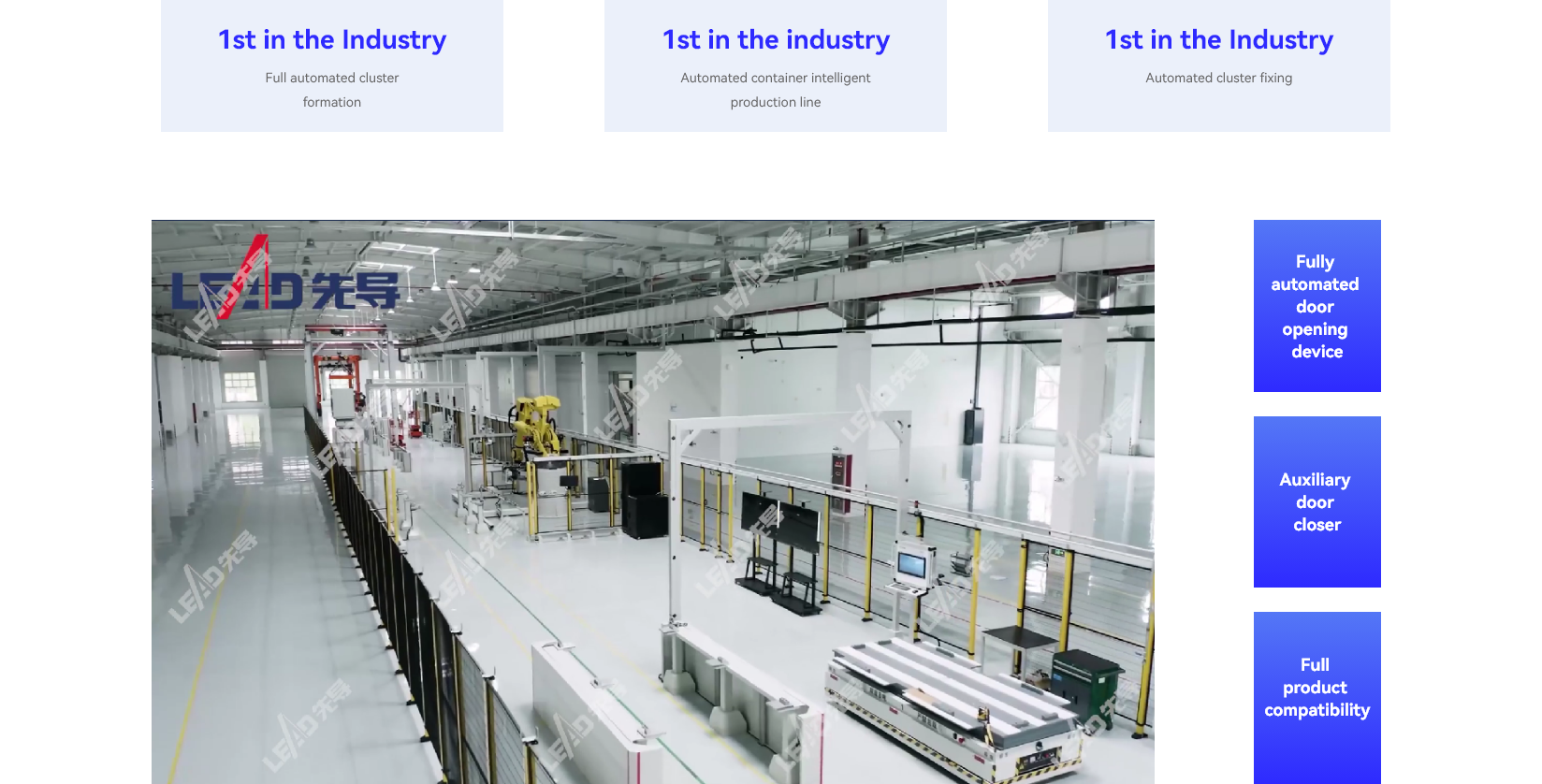
Here’s the technical truth, plain and simple. Many lines claim automation, but the glue is still manual. In older builds, control logic spreads across vendor silos. That slows decisions and creates blind spots. Modern automated manufacturing systems change that by pushing orchestration closer to the process. But legacy storage lines rely on PLC patches, duplicated tags, and ad hoc scripts. Look, it’s simpler than you think: when the Energy Management System (EMS) cannot see battery State of Charge (SOC) in real time, dispatch stutters. When the Battery Management System (BMS) is isolated from power converters, you get delays, not resilience—funny how that works, right?
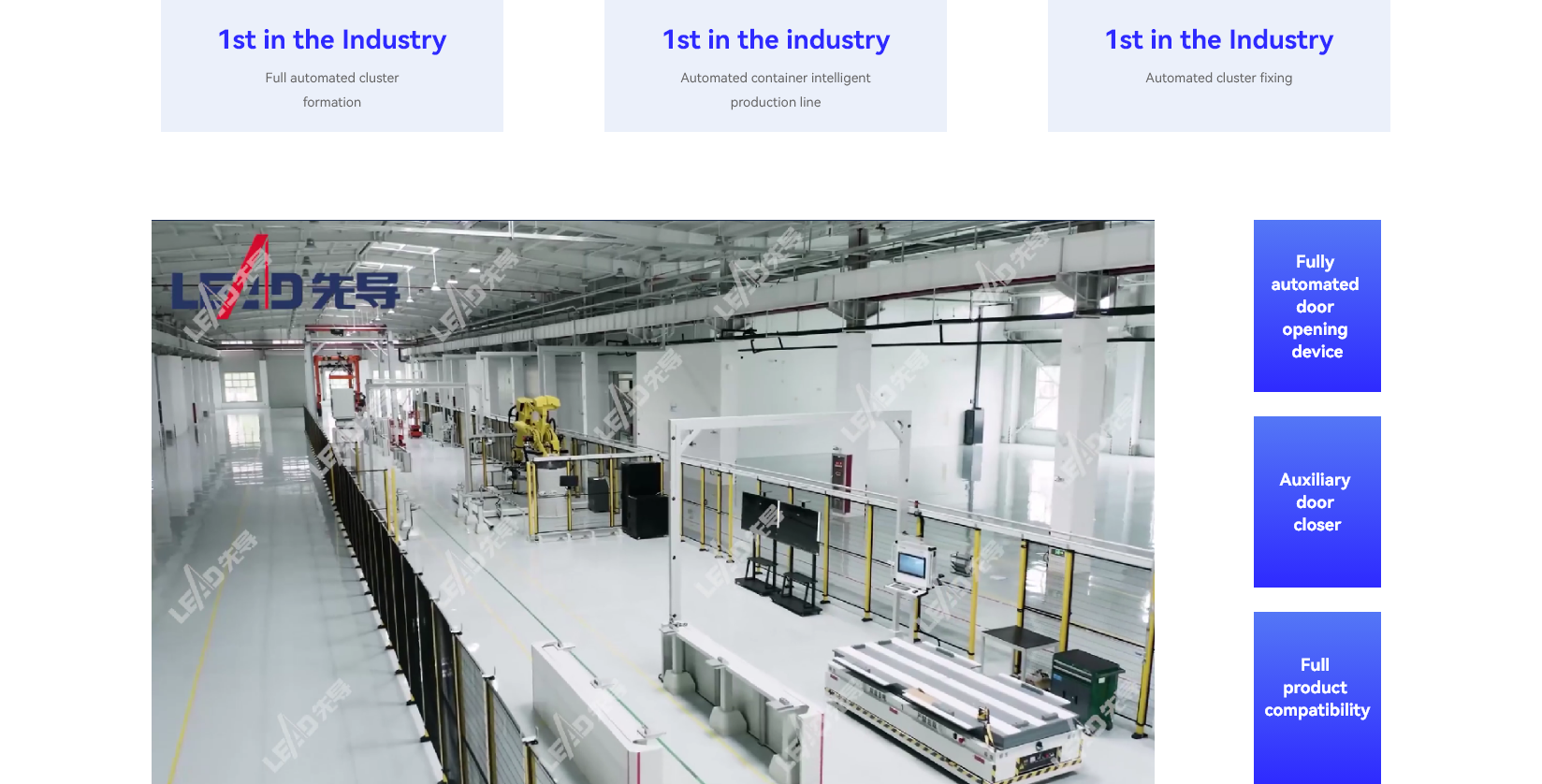
Hidden pain points add up. SCADA screens lag. Interlocks get bypassed during peak rush. Alarms flood operators who can’t triage. That means thermal management slips and cycle life suffers. In short, the bottleneck is not the battery; it’s the handoffs. Old workflows treat commissioning like a one-time event instead of a living loop. And the result? Missed peaks, higher wear, and more weekend callouts. A tighter loop between EMS, BMS, and power converters is not “nice to have.” It’s the baseline for steady outcomes and calmer shifts.
What’s Next: New Tech Principles That Change the Game
Now let’s go forward, and compare by principle, not by brand. The new pattern puts decisions near the edge. That means edge computing nodes run fast checks on SOC, temperature, and inverter limits before data hits the cloud. It also means tighter sync among the EMS, the Power Conversion System (PCS), and safety logic. A digital twin then simulates dispatch before you commit. With that, you catch faults early and avoid trial-by-fire. Here’s the shift: automated manufacturing systems can embed these checks right on the line, so control rules match how the hardware ages (and yes, it shows).
Real impact looks like this. Commissioning gets faster because test scripts live with the assets. Runtime tuning adapts to ambient heat and cycle count. Microgrid controllers share constraints upstream, so the EMS stops over-promising. Compare that to the old way, where SCADA logged the past while people guessed at the future—less drama, more proof. Predictive maintenance moves from calendar to condition. Data alignment reduces alarm noise by half or more. You measure wins in smoother ramps, fewer derates, and longer useful life. And when change comes, the model updates first, the site follows second. That is control with confidence.
How to Choose: Three Metrics That Matter
Before you pick or upgrade, use these simple checks to stay on track:
1) Latency to decision: Measure time from sensor read to dispatch. Under 200 ms for local loops is a strong target.
2) Model-to-field alignment: Track how often digital twin forecasts match actual SOC and thermal curves. Aim for tight error bands.
3) Alarm clarity index: Count actionable alarms versus noise per shift. Fewer, clearer alerts mean healthier logic and safer ops.
Keep it steady, keep it kind to your team, and keep it observable. The right setup supports people first, then the plan, then the peak. If you do that, the energy storage system will feel calm, not chaotic. And your nights get quieter. Learn, adjust, and let your process breathe with the tech. For a practical view on integrated lines and control, see LEAD.
