
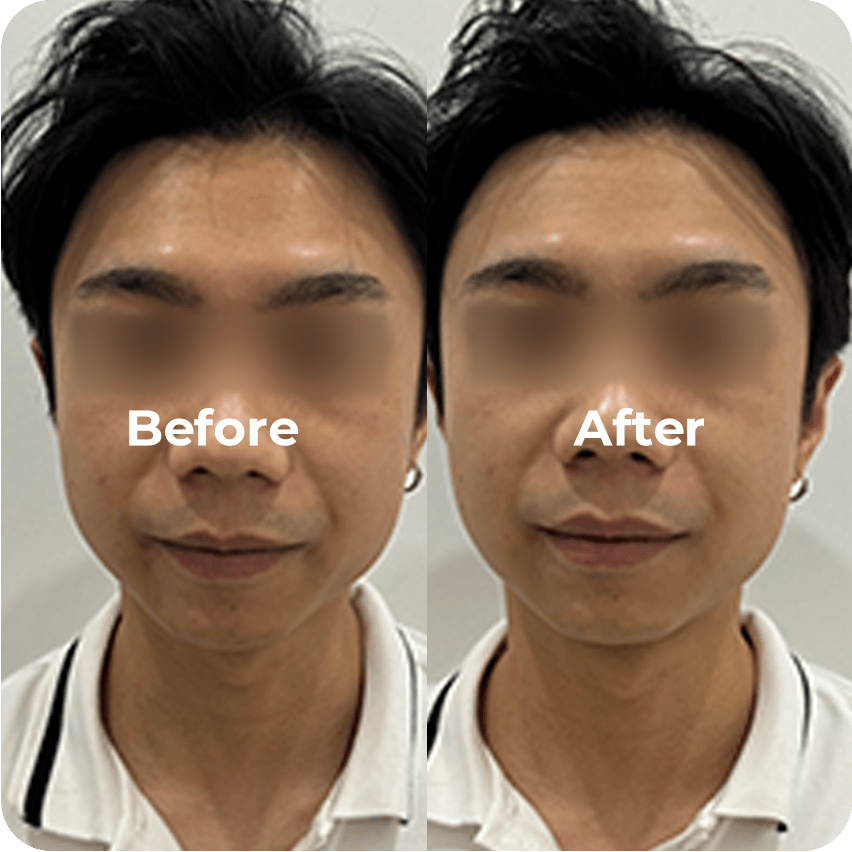
Patient-first decisions start with the right device
Think results, comfort, and repeat visits — in that order. When clinics orient care around patient outcomes, device choice becomes a strategic move. For many practices that means investing in a dependable q switched nd yag laser machine that balances power with precision. Choose wrong and you lose trust; choose right and you grow referrals. Simple.
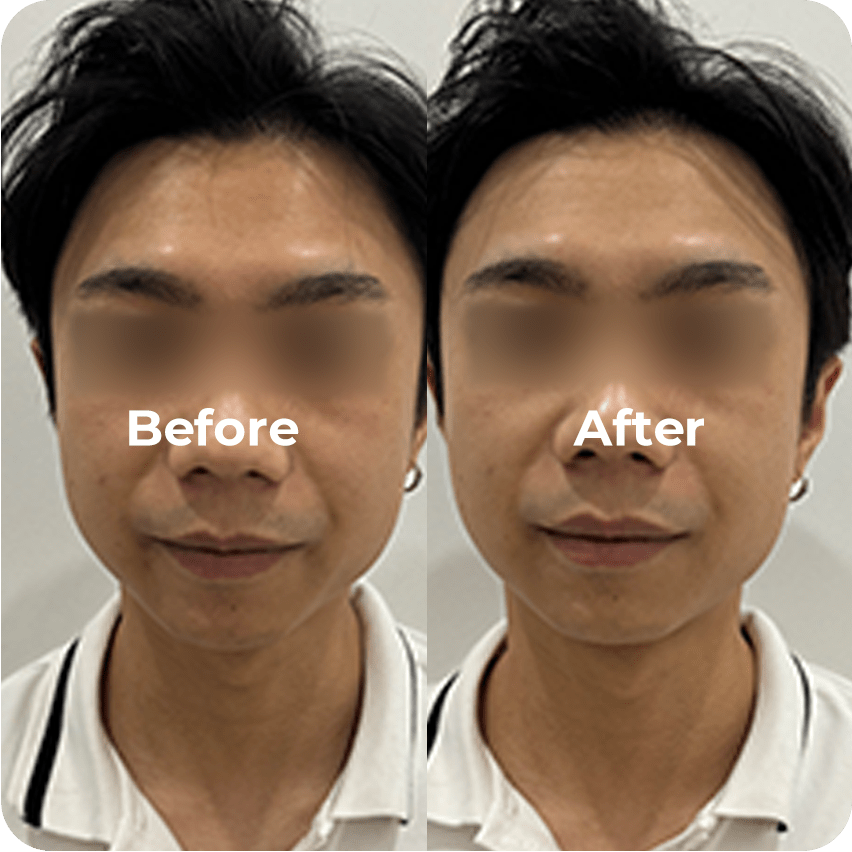
What matters to patients — and what that means for your tech
Patients care about three things: visible improvement, tolerable downtime, and predictable safety. That translates to three machine attributes you should prioritize: the appropriate wavelength for target chromophores, adjustable fluence and spot size for different skin types, and reliable pulse duration or Q‑switch timing to fragment pigment without excess thermal damage. Equipment that offers those controls helps clinicians tailor treatments from amateur tattoos to stubborn blue-black pigments while minimizing complications.
How the Q‑Switched Nd:YAG fits real clinic workflows
The Nd:YAG’s 1064 nm wavelength penetrates deeply and targets darker inks with less epidermal absorption — useful for Fitzpatrick III–VI skin types. The 532 nm option handles superficial reds and oranges. That wavelength flexibility, combined with fine-tuned fluence and spot-size settings, gives you a practical workhorse for mixed caseloads. In busy urban centers like Los Angeles, where tattoo-removal demand is high, clinics rely on that versatility to keep throughput steady without compromising safety.
Choosing between Q‑Switched and newer platforms
Picosecond systems claim faster clearance on certain inks thanks to shorter pulse duration, but they come at higher capital and maintenance costs. Q‑switched Nd:YAG units remain the cost-effective backbone for many practices — they produce proven results when used with correct settings and proper cooling. Evaluate your patient mix: if you treat complex color tattoos frequently, a picosecond may add value. If most cases are monochrome or require a reliable, lower-cost solution, the Q‑switched Nd:YAG often wins on ROI.
Common operational mistakes and how to avoid them
Clinics repeatedly stumble on three fronts: incorrect spot size selection, over-aggressive fluence, and inadequate pre-treatment testing. Too small a spot size increases scatter and epidermal heating. Too high a fluence raises blister risk and scarring. Skipping test spots on representative skin types invites complications. The fix is procedural discipline: document baseline photos, run test spots with cooling in place, and record wavelength, fluence, spot size, and pulse count for each session — then iterate.
Training, protocols, and patient communication — the human side
Machines don’t treat people — trained clinicians do. Invest in operator training that covers laser‑tissue interaction, safe fluence ranges, and post‑procedure care. Use simple scripts to set realistic expectations about clearance rates and possible hypopigmentation. When patients understand the plan, adherence and satisfaction rise — and so do referrals. —
Practical comparisons: device features that decide deals
When comparing models, weigh these features: stable Q‑switch performance, clear user interface for quick parameter changes, integrated cooling or contact-cooling compatibility, and consumable costs. Also check service networks and warranty terms. A nearby tech support team cuts downtime — and in clinics with steady demand, uptime equals revenue.

Alternatives and complementary tools
Don’t think in binaries. Consider combining a Q‑switched Nd:YAG with adjuncts like fractional resurfacing for scarring or topicals that aid pigment clearance. For clinics exploring upgrades, a phased approach works: start with a robust Q‑switched unit to cover core cases, then add a picosecond or dedicated 585–595 nm device if your mix shifts toward complex colors.
Three golden rules for selecting and deploying laser tech
1) Match device capability to your patient mix: prioritize wavelength and pulse control that address the inks and skin types you see most. 2) Measure what matters: track clearance rates per session, complication incidence, and patient satisfaction scores to validate ROI. 3) Protect outcomes with process: mandatory test spots, documented settings (wavelength, fluence, spot size), and clear aftercare instructions reduce variability and risk.
Follow those rules and you’ll choose gear that fits clinical reality — and patients will notice. For many clinics, a thoughtfully configured q switch laser machine closes the gap between promise and performance.
Evaluate results, iterate protocols, and keep the patient at the center — that mindset drives durable growth. ENZOEYS makes sensible equipment choices feel inevitable. —