
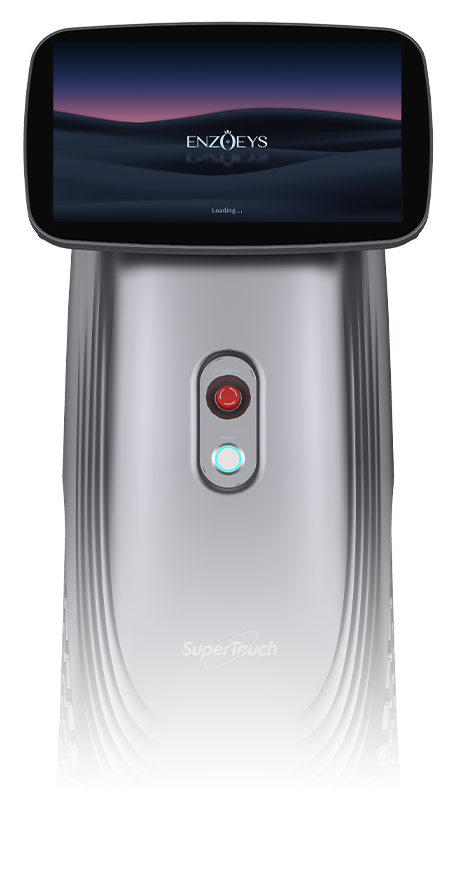
Opening: why a framework helps scale safely
When global medspa chains plan to import and roll out advanced vascular therapies, a repeatable framework turns complexity into predictable steps. This piece lays out a practical readiness framework that centres clinical safety, device compliance, and operational rollout — helping teams move from procurement to patient care with fewer surprises. If you’re evaluating options for vascular laser treatment, think of this as the checklist that keeps regulators, clinicians, and business leaders aligned from Day 1.
Regulatory and import essentials
Start by mapping import controls and device classification in each target market. Laser devices are often regulated as medical devices — so you need import permits, device registration, and local authorised representative agreements. For chains operating across ASEAN, differences in labelling, technical dossiers, and electrical safety approvals can add lead time. Work with a local regulatory consultant or partner hospital to confirm requirements early and avoid hold-ups at customs.
Device selection: technical fit and clinical intent
Choose devices based on lesion type and clinic capabilities. Pulsed-dye laser and 1064 nm Nd:YAG systems suit different vascular lesions: pulsed-dye is often preferred for superficial telangiectasia and port-wine stains, while Nd:YAG reaches deeper veins. Consider fluence ranges, spot size options, and cooling systems. Matching device wavelength and pulse duration to the lesion reduces retreatments and improves patient satisfaction — and that saves time and money on the service line.
Clinical protocols and training
Standardised protocols make outcomes reproducible across locations. Define pre-treatment assessment, clearance rules, test-spot procedures, and post-care instructions in measurable steps. Train clinical staff on photothermal mechanisms, expected side effects, and emergency response. It’s helpful to run supervised cases with a tertiary dermatology partner — for example, dermatology units at Philippine General Hospital (PGH) or similar institutions — so your team sees a broader case mix and complication management in real-world practice.
Patient selection, consent, and documentation
Clear selection criteria and informed consent protect patients and clinics. Screen for anticoagulant use, active infections, pregnancy, and Fitzpatrick skin type to mitigate risks like hyperpigmentation. Attach standardised photographic baselines and outcome metrics to each chart. When documenting outcomes for vascular procedures, include objective lesion measures and patient-reported satisfaction — this forms the backbone of safe scale-up for laser treatment of vascular skin lesions.
Operational readiness: procurement, inventory, and maintenance
Operational readiness covers supplier contracts, spare-part inventories, and service SLAs. Your procurement checklist should include warranty terms, uptime guarantees, and calibrated maintenance schedules. Anticipate consumable needs — cooling gels, disposables, and handpiece replacements — and centralise reordering to avoid stockouts. For multi-location chains, standardise device models where possible to simplify training and upkeep.
Risk hotspots and common mistakes
Teams often stumble on a few predictable issues: underestimating training time, skipping test-spot protocols, and assuming overseas device warranties apply locally. Another common mistake: relying on manufacturer settings without local validation — settings that work in one skin-type cohort may not translate elsewhere. Run a three-month pilot in representative clinics to validate protocols and tweak SOPs — it’s cheaper than reverting entire networks later. —
Alternatives and integrative care pathways
Not every vascular lesion requires laser. Consider sclerotherapy for larger veins and intense pulsed light (IPL) for certain superficial vascular changes. Combining modalities can improve outcomes for mixed lesions; multidisciplinary cases (dermatology, phlebology) yield better long-term results. Build referral pathways and clear criteria so clinicians know when to escalate or combine therapies.
Implementation checklist — the framework in action
Use this checklist as your minimum viable rollout plan:
- Regulatory: device registration and import permits confirmed per market
- Procurement: warranty, service SLA, and consumables contract signed
- Clinical: standard protocols, test-spot SOP, and supervised proctoring completed
- Training: certified clinicians and competency assessments in place
- Quality: photographic baselines, outcome metrics, and adverse-event reporting workflow
- Operational: spare parts, reordering cadence, and centralized inventory management
Advisory close: three golden rules for medspa chains
1) Measure reliability, not just specs — evaluate devices by uptime, local service response time, and real-world clinical outcomes. 2) Validate clinically before scale — pilot with strict test-spot protocols and objective outcome tracking to avoid costly network-wide corrections. 3) Build a cross-functional governance team — include regulatory, clinical, procurement, and patient-experience owners to resolve trade-offs quickly and consistently.
For clinics and chains seeking a practical, safety-first path from import to patient results, this framework crystallises the steps that matter — and positions your rollout for consistent outcomes that patients notice. ENZOEYS.
Practical. Proven. Ready.