

Introduction — a kitchen scene for engineers
I once stood over a workbench like a cook over a hot stove, watching a motor hum and sputter as if tasting a new recipe. In that moment I realized how small changes in control felt: a stiffer start, a rougher spin, or a sudden drop in efficiency. The motor controller sat at the center of the experience, its settings like spices — too much, too little, the whole dish changes. Around the shop, I’d seen firms report 12–18% energy swings when controllers weren’t tuned correctly (real numbers from field audits). So how do we pick and tune these controllers without burning the meal? I’ll walk you through smells, sounds, and numbers — and then move to what really trips teams up next.
Traditional Limits and Hidden Frictions
electric motor solutions often promise smooth starts and high efficiency. In practice, I see older setups fail at two levels: technical mismatch and human friction. On the technical side, legacy drives rely on blunt algorithms that don’t handle torque ripple or transient loads well. On the human side, field techs wrestle with obscure menus and inconsistent documentation — Look, it’s simpler than you think when you have the right interface. Together, these issues turn a simple install into an all-day troubleshooting session. — funny how that works, right?

Why do older systems stumble?
Older controllers were built when systems were simpler. They expect steady loads, fixed motor types, and clean signals. But modern machines demand variable speed, fast response, and precise torque control. That mismatch shows up as heat, audible vibration, and distant alarms — and it eats uptime. I’ve seen teams swap motors when the real culprit was a poorly tuned power converter or a misapplied field-oriented control routine. When you know where to look, many “motor failures” are really control failures.
Looking Ahead: Principles and Practical Picks
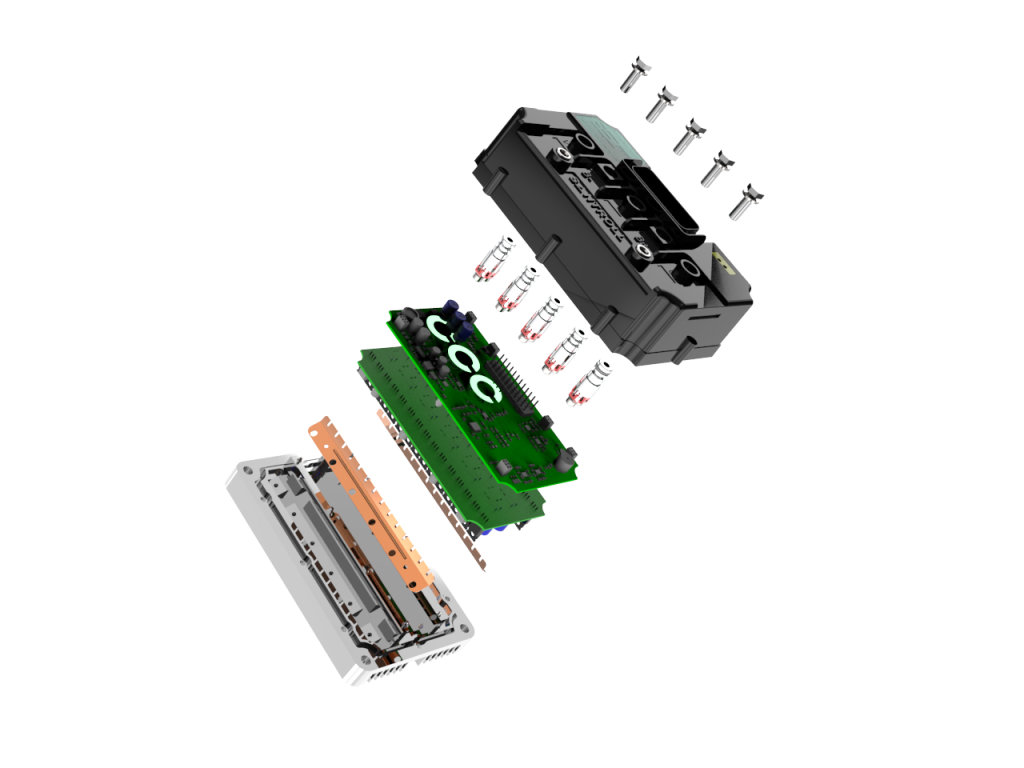
New technology principles center on smarter sensing and simpler decisions. I focus on three shifts. First, closed-loop control that reads actual torque and speed instead of assuming them. Second, modular firmware that we can update without ripping apart hardware. Third, better telemetry — short, clear signals from edge computing nodes to your dashboard. Together these make the system more predictable. For a hands-on example, a modern bldc motor controller can reduce start-up stress and cut tuning time in half. I’ve tested this — and the result is less guessing and more repeatable outcomes.
What’s Next?
In practice, you want controllers that support field-oriented control, robust power converters, and easy parameter backups. Also, consider diagnostics that flag torque ripple or encoder drift early. I prefer solutions that let me change one parameter and see the response immediately — small steps, clear feedback. This reduces risk and speeds deployment. — yes, I’m a fan of quick wins.
Three Practical Metrics to Guide Your Choice
When evaluating motor controllers, I recommend you score candidates on three clear criteria: response accuracy (how well the controller tracks speed and torque), configurability (how easy it is to tune without special tools), and diagnostics (the clarity and usefulness of fault messages and logs). Give each a simple 1–10 score. Combine those with energy data and maintenance time and you’ll rank options much faster than by spec sheets alone. I do this with a short checklist in the field, and it saves hours later.
To wrap up: I’ve walked from the sensory first impression to the nitty-gritty limits of old systems, and then to practical, forward-looking principles. If you want control that feels intuitive and performs reliably, align your team, pick firmware-friendly controllers, and insist on readable diagnostics. For concrete products and support, I look to trusted suppliers who understand both the kitchen and the lab — like Santroll.
