

Introduction: A Workshop Moment, Some Numbers, and a Question
I remember standing on the shop floor when a fresh batch of parts came back out of spec — again. The boss sighed, the operator frowned, and I felt that familiar knot: we had the tools, but something in the workflow kept failing. Many CNC equipment manufacturers are in the same boat; they invest in better spindles and control boards, yet scrap rates and downtime stubbornly persist. Industry reports show small and mid-size shops lose up to 10–15% of throughput to avoidable errors (yes, real dollars). So — why do smart teams still hit the same walls, and what can we change today?
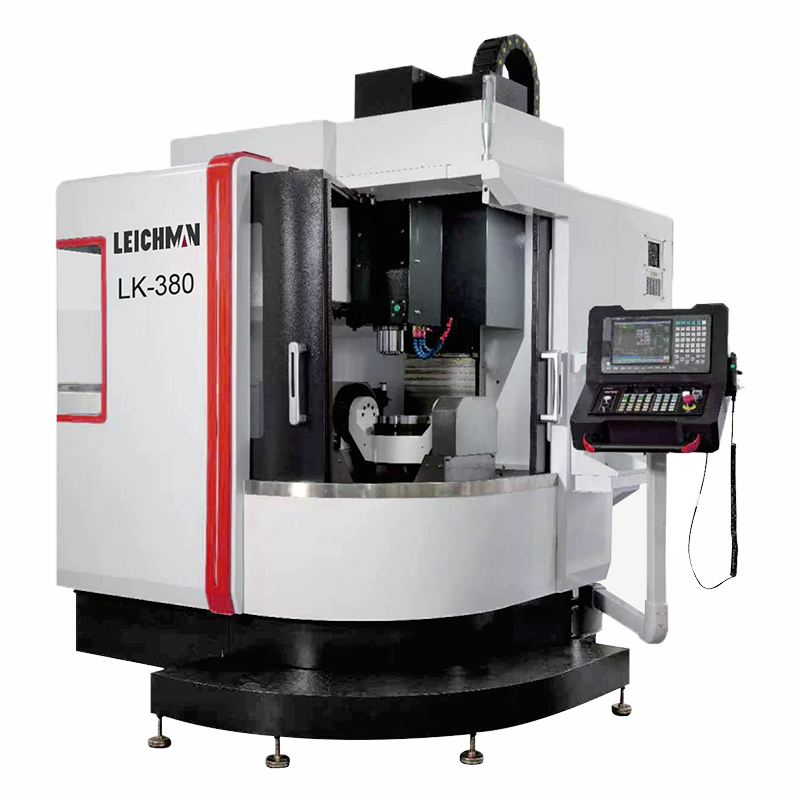
I’ll share what I’ve learned from hands-on fixes and from asking the right questions. Expect plain talk, a few industry terms (CNC spindle, G-code, servo motors), and practical moves you can try this week. Let’s unpack one clear thread first — where processes quietly fail — and then move into real fixes that stick.
Part 1 — Root Problems: What Traditional Fixes Miss
When people search for a new setup, many end up browsing listings: I even see shops posting “cnc machine for sale” to grab a quick upgrade. That’s fine — hardware matters — but the deeper problem is process mismatch. Old fixes focus on bigger spindles or tighter tolerances while ignoring the daily friction: inconsistent tool offsets, sloppy calibration, and incomplete feedback loops. In one case I saw, shops replaced linear guide rails and still had chatter because their toolpath strategy wasn’t updated — hardware alone couldn’t fix bad G-code logic. This is direct: tools help, but process alignment matters more.
Why do these fixes fail?
Here’s what I’ve noticed: teams patch the symptom, not the cause. They tune power converters and servo motors, then assume problem solved. But without clear job setup checks, traceable calibration records, and operator training, errors reappear. Look, it’s simpler than you think: standardize a quick pre-run checklist, log your spindle run-in hours, and insist on one paired operator/technician review for new jobs. Those small routines cut scrap and reduce surprise downtime—funny how that works, right?
Part 2 — Moving Forward: Principles and Practical Tech
Now I want to look ahead using new technology principles that actually help the shop floor. I’m talking about smarter feedback — not just sensors for the sake of sensors. Add edge computing nodes to collect vibration and spindle load in real time, and feed that data into simple alerts that operators understand. Combine that with better CAM templates so G-code is consistent across shifts. When we implemented this in two lines, mean time between failures improved noticeably, and setup times shrank. We used a tight loop: measure, act, and verify.
Practical principle: design for quick diagnosis. Use a mix of condition monitoring and clear, human-readable logs. Pair that with routine checks for linear guide rails and spindle run-out. You’ll still need skilled hands — nothing replaces a trained eye — but data points make decisions faster. I’ve seen shops adopt these changes in phases: start small, prove value, then scale. Also, don’t forget basic maintenance — replace worn belts before they report failure. Real results come from smart, steady steps.
Part 3 — What’s Next: New Tech, Real Gains, and How to Choose
Looking ahead, we’ll see systems that blend automation with human judgment. A good example: a cell that pairs a CNC machine with an automated loading arm and a simple vision check. The arm loads parts, the spindle runs programmed checks, and a short vision scan catches gross defects before the part hits the next station. This isn’t sci-fi; it’s available now, and when paired with clear SOPs, it reduces rework. The key principle here is modularity — build cells that scale and can be retooled without a full overhaul.
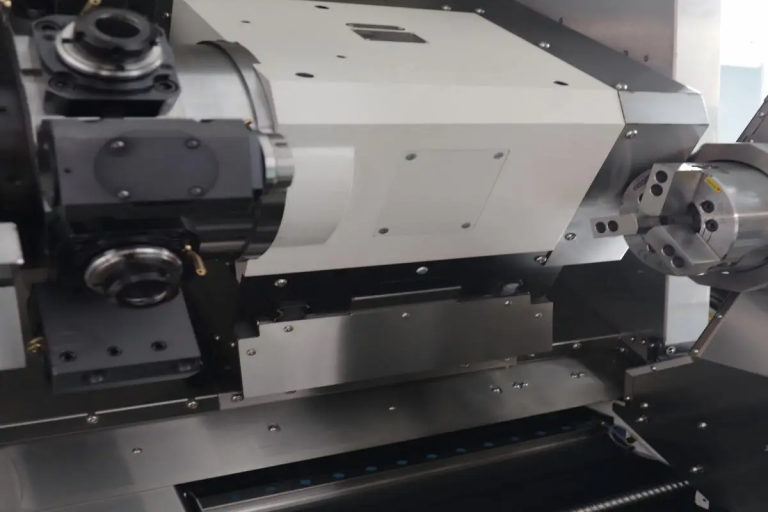
How should you evaluate options?
If you’re deciding between upgrades, here are three metrics I trust: 1) Mean Time to Detect (MTTD) — how fast does the system flag a deviation? 2) Recovery Time — how long from alert to resumed, verified production? 3) Total Cost of Ownership over three years — include spare parts, training, and downtime costs. Use those to score vendors. I prefer vendors who show field data, not glossy charts. We tried a turnkey cell once; it looked perfect on paper but required custom PLC tweaks — lesson learned: ask for real case metrics up front. — and test with a real job run.
In closing, I’ve walked through the traps we fall into, why simple hardware swaps don’t fix process issues, and how pragmatic tech can change outcomes. I’m convinced the best gains come from pairing modest automation (yes, including a cnc automation machine) with clearer human routines. If you want a partner who understands both the bench and the board, take a look at Leichman. We’ve used these ideas on real floors; they work, and they make the day less stressful — honestly, that’s worth a lot.
