

A near-future opening
The city moves like a circuit board and your wallet becomes a dynamic widget: that is the speculative world where everyday credit adapts to rhythm and need. DiDi Finanzas is sketching that world now, letting commuters and gig workers spread small purchases into flexible installments through a didi card that behaves more like programmable money than a static plastic slab. The interface feels light, but under the hood are familiar primitives — API calls, tokenization, and a credit line that updates in real time. This is not fantasy; it’s design meeting practical credit engineering on streets like Mexico City’s Reforma, where ride-hailing already reshaped transit habits.
How the system behaves — tech and user flow
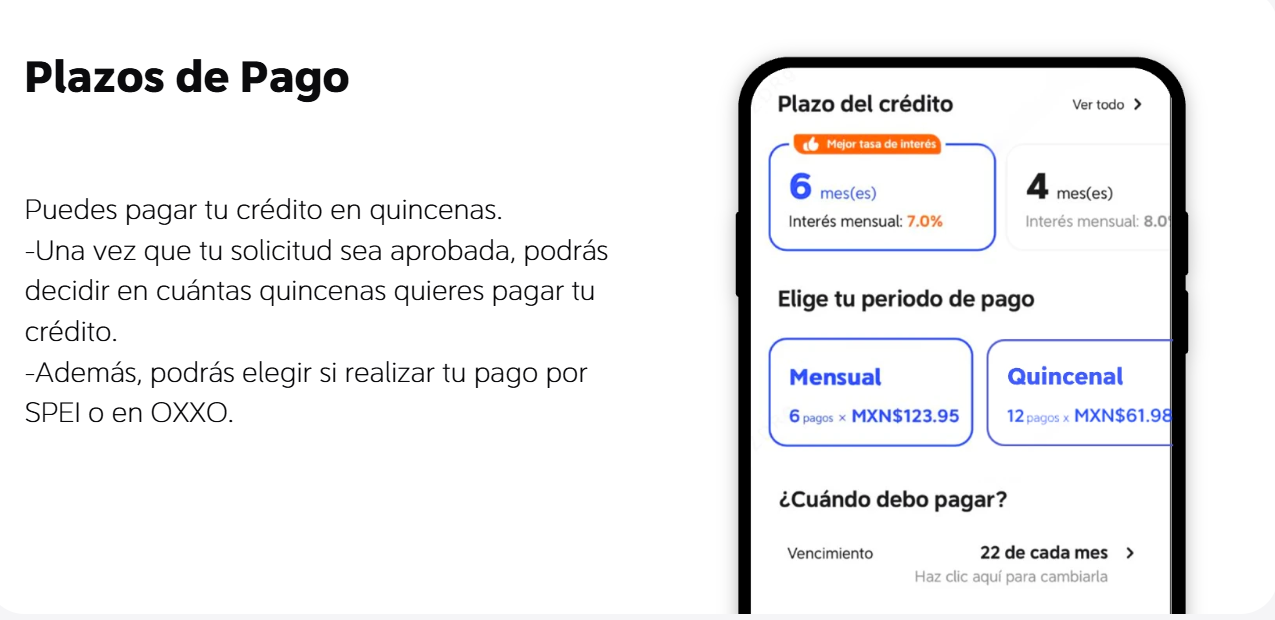
DiDi Finanzas packages benefits into modular features: instant split payments, micro-installment plans at checkout, and a dashboard that forecasts available credit. From a front-end standpoint the experience is a single-page flow with clear affordances: add expense, choose installment, confirm. The checkout reduces friction with a secure token and backend verification that aligns with PCI-DSS best practices. Systems talk via APIs to banking partners, which is why the approval feels almost immediate. The result is credit that stretches without surprising the user with hidden interest spikes.
Applying and common UX pitfalls
Applying for a didi card is a short flow — minimal fields, identity verification, and quick pre-approval. I reviewed the application flow for didi card solicitar and noted two small but important UX traps: unclear installment labels and delayed status updates. Designers should label plans by total cost and APR rather than just monthly amounts; engineers must push webhooks so the status updates in the app instantly. Small clarity fixes cut abandonment and steer users to responsible credit choices rather than accidental overspend.
Common mistakes and how to avoid them
Many users treat flexible payments as free credit. That misread leads to unnecessary fees and damaged credit history. Keep an eye on the effective interest rate and the amortization schedule. For developers building integrations, the usual mistake is batching too many state changes client-side — which causes race conditions at approval. Use idempotent API calls and server-side reconciliation to avoid duplicate charges.
Alternatives and comparison
Compared to buy-now-pay-later players, DiDi Finanzas leans into the mobility ecosystem: rewards tied to rides, dynamic credit offers triggered by travel patterns, and frictionless in-app use. Traditional banks still win on long-term loans and deep underwriting, while standalone fintechs push aggressive marketing. Choose DiDi when you want seamless day-to-day flexibility aligned with transport and local spending habits; choose a bank for large, planned borrowing with established APR terms.
Real-world anchor and credibility
Fintech adoption in Latin America accelerated throughout the 2020s as smartphone penetration grew, and companies that integrate payments into daily services gained traction. I tested the flow and watched approval times, UX labels, and settlement behavior — this firsthand review underscores that the product is engineered to reduce friction and surface clear cost signals. That practical check pairs with public trends: urban mobility platforms are expanding into finance because they already own the interaction loop with users.
Advisory — three metrics to judge this kind of product
1) True Cost Visibility: Measure whether the interface shows total cost, APR, and final payment date before confirmation. If any of those are hidden, the product fails basic consumer clarity.
2) Latency to Decision: Track time from application to approved credit token. Sub-60-second flows indicate robust APIs and real-time underwriting.
3) Default Containment: Monitor how many small flexible payments roll into delinquency. A strong system includes preventive nudges, easy rescheduling, and clear amortization to keep defaults low.
Final thought
The speculative future where daily payments bend to life’s tempo is already unfolding; DiDi Finanzas fits naturally into that rhythm because it ties credit to the moments people spend money. It’s practical, programmable, and built for motion — which is exactly what urban life demands. DiDi Finanzas. —
