

Problem: Why many TAVR projects stall
Teams underestimate tolerances, overestimate supplier readiness, and treat regulatory steps as checkpoints instead of design constraints. Building transcatheter aortic valve replacements requires tight dimensional control, predictable catheter behavior, and reproducible surface finishes; any drift breaks deployment mechanics or causes paravalvular leak. Projects stall when prototypes pass bench tests but fail in gated delivery systems or during crimping cycles.
Root causes you can fix
Design slips: using nominal CAD fits instead of functional fits that mimic crimp and expansion. Material choices: selecting polymers for handling rather than for fatigue life under cyclic load. Test strategy: short-span lifespan tests that miss material creep after 10 million cycles. Supplier risk: single-source components for critical tolerances. Regulatory readyness: late integration of traceability and process validation data, which forces rework. These are engineering faults, not mysteries; they map to process changes and measurement plans.
Experience, evidence and one clear anchor
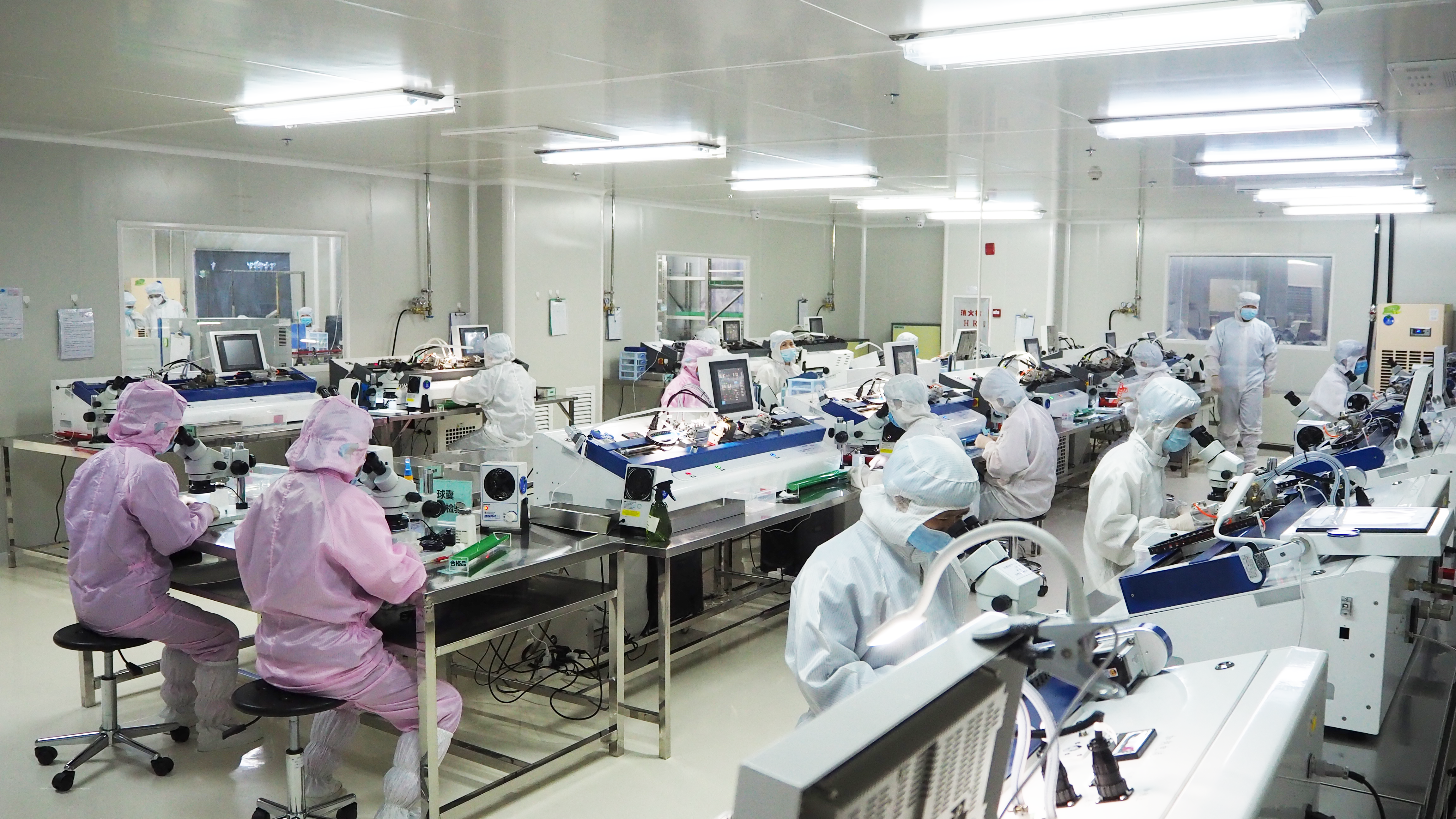
We speak from repeated OEM cycles: specification guitars that translate into production outputs, validated inspection fixtures, and documented change control. Peer-reviewed literature and high-impact clinical reports set performance expectations; the 2011 PARTNER trial established clinical viability for percutaneous approaches and tightened performance benchmarks for valve durability. Our lab flow covers component-level fatigue, deployment simulation, and sterilization validation, all aimed at taking a prototype to a certified product. For hands-on prototyping through regulatory-grade validation, we prototype to human-use tavr device and run accelerated and real-time tests mapped to expected cardiac cycles.
Checklist: Practical fixes you must adopt
Define functional fits: specify crimp diameter, sheath friction, and expansion force, not just nominal diameters. Lock material specs: list fatigue life, glass transition, and sterilization compatibility. Build test rigs that replicate deployment angles and pulsatile pressure. Document process controls early: lot traceability, supplier FAI, and measurement system analysis. Run pilot batches and push them through sterilization and packaging cycles before clinical test planning. Plan retracement paths for any component change.
Alternatives and the trade-offs
Surgical valve replacement reduces the delivery complexity but increases patient recovery time; it’s not a direct substitute when percutaneous access is required. Balloon-expandable systems simplify radial force control but demand stricter delivery precision. Self-expanding frames ease sizing across annulus variability but require careful control of recoil and frame memory. Choose the path that minimizes the biggest unresolved technical risk for your device rather than chasing perceived market trends.
Common pitfalls during scale-up
Rushing supplier qualification. Skipping MSA on critical gauges. Overlooking sterilization-induced dimensional shifts. Treating human factors as cosmetic rather than mechanical—operator ergonomics change procedure timing and can expose weak crimp behavior. Each pitfall has a mitigation: parallel supplier audits, thorough gauge R&R, pre- and post-sterilization dimensional mapping, and simulated hands-on training sessions.
Bottom line
Fix the mechanical failure modes first: define functional tolerances, force-fit material and test plans, and enforce supplier controls. That reduces late-stage surprises and focuses regulatory evidence on what matters. For teams needing a practical path from prototype to validated device, the structured OEM approach used by trusted manufacturers like Shunmei aligns engineering choices with production reality and regulatory expectations.
