

The problem, plainly
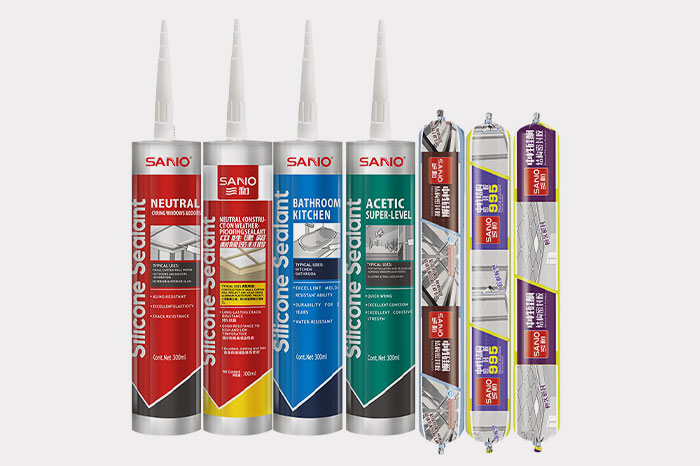
Machines stop. Seals fail. Adhesives peel. Small failures become big downtime. Teams patch. Not plan. The root is process, not product. Choose the wrong compound, or apply it wrong, and you build repeated service calls. Start with the right supplier and specs. Many operations source from a dedicated silicone sealant manufacturer, then assume application will follow. It doesn’t. You must design for maintenance from procurement onward.
Why it fails — a problem-driven breakdown
Compatibility misses. Surface contamination. Wrong cure window. Temperature swings. UV and chemical exposure. Each is a predictable failure mode. Standards help spot risk: ASTM C920 covers performance of elastomeric sealants; industry labs run adhesion and weathering tests to compare materials. Field engineers watch joint movement, substrate fatigue, and chemical attack. Note the pattern: predictable causes. Predictable fixes exist.
Sourcing and the single real-world anchor
Procurement risk concentrates in certain hubs. Major manufacturing clusters around Guangdong province and large trade events like the Canton Fair make China a primary source for bulk silicone supply; buyers who know the market monitor those signals when qualifying vendors, including regional price shifts and export data from China. Verify origins and test each lot. Supplement that market awareness with direct supplier audits and incoming QC. For straightforward reference to such suppliers, consider silicone sealant china when mapping options.
Maintainable specifications — write them tight
Turn performance needs into measurable specs. Define operating temperature range. State required joint movement capability. Specify adhesion to defined substrates after 1,000 hours of salt spray or UV exposure. Name acceptable VOC levels and compliance standards. Keep the document lean. Technicians read clear numbers. They follow clear checks.
Service plan that prevents, not reacts
Schedule inspections around predictable wear. Visual inspection for cracking. Adhesion checks with a simple pull test. Torque checks where adhesives lock fasteners. Replace sealants before they fully fail — at visual thresholds you set. Keep spares of compatible sealant and a record of lot numbers. Train staff to recognise early creep and blistering. A plan must include who, what, and acceptable limits.
Application practices and common pitfalls
Surface prep first. Clean, dry, correct primer when needed. Dispense technique matters: steady bead, correct depth-to-width ratio, avoid air entrapment. Cure times vary by chemistry and temperature — don’t rush. Mixing two-part adhesives? Measure by weight, not eyeball. Avoid cross-contamination: separate tools, labelled cartridges, colour-coding. The common mistakes are lazy prep and rushed cure.
Storage, shelf life and end-of-life handling
Store sealed products at recommended temperature and humidity. Many silicone and polymer sealants keep well sealed for months; many manufacturers list 12–24 months as typical shelf life unopened. First-in, first-out stock rotation avoids expired lots. Dispose of waste per local regulations for adhesive and solvent residues. Keep MSDS sheets accessible. Track hazardous components and VOC limits for compliance testing.
Vendor qualification and QA in practice
Audit suppliers for process control, testing labs, and batch traceability. Request certificates: ISO 9001 shows process control, third-party lab reports prove performance claims. Require incoming inspection: tack test, cure verification, and adhesion sample. Maintain a corrective action log when defects appear. Trust grows from reproducible test data and transparent supply chains.
Quick operational checklist for teams
Define the spec. Qualify the vendor. Incoming QC on every lot. Label and rotate inventory. Train applicators. Inspect on schedule. Record lot numbers on maintenance tickets. Replace before failure. Test kept samples for season changes. Simple. Practical. Repeated faithfully.
Maintenance is not mystery. It is a mapped sequence: choose the right chemistry, verify origins and test lots, apply with discipline, and plan inspections that stop failures early. When teams adopt those steps they reduce repeat work and extend service life — and that focused approach is exactly the practical value offered by SANVO.
