

Identifying the Core Problems
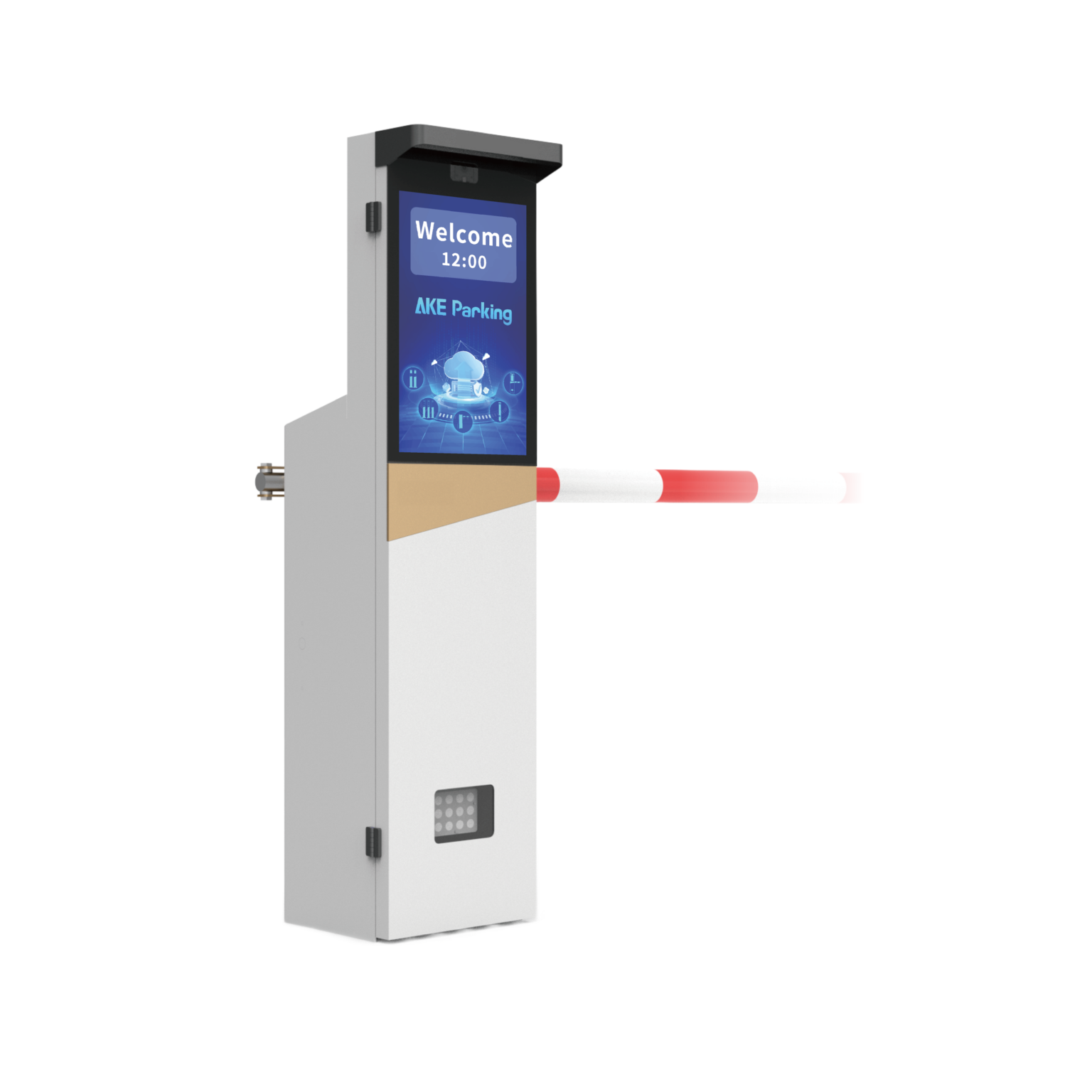
Most car parks struggle with long queues, lost revenue and unpredictable access control because systems were chosen to fix one symptom rather than the whole operation. A problem-driven approach begins by listing the visible issues — slow entry, billing disputes, weak enforcement — then linking each to a technical or operational cause. Simple integrations such as lpr parking management systems often resolve multiple issues at once, but only when they fit the real workflow and hardware on site.
Why these problems persist
Decisions are often reactive: a gate is replaced after failure, a payment module is added when complaints spike. That short-term thinking leaves gaps. Common root causes are mismatched hardware and software, unclear responsibilities for maintenance, and poor data flows between entry systems, payment engines and enforcement teams. Each gap creates friction that compounds daily — more congestion, more disputes, less trust from users.
Practical fixes and quick wins
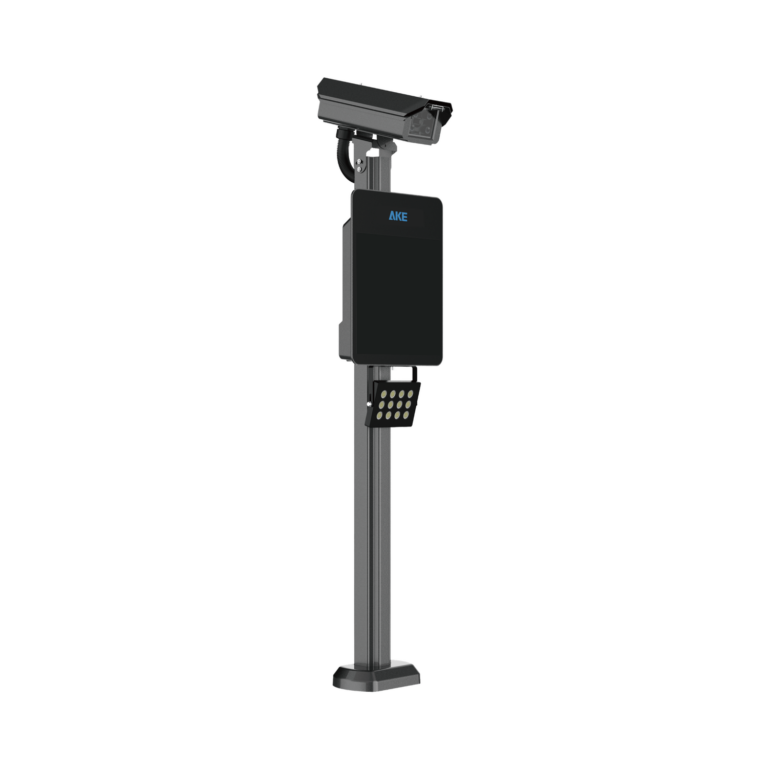
Start by mapping the user journey: arrival, recognition, payment, exit. Automate the recognition step where feasible, reconcile payments centrally and set clear SLAs for hardware upkeep. Prioritise fixes that reduce dwell time at entry and exit points; for example, improving camera placement for plate recognition typically cuts queue time immediately. Standardise logs so staff can trace a disputed charge to a precise camera, timestamp and barrier event.
Common pitfalls and mistakes
Do not buy features you will never use. Avoid choosing vendors based only on price; low-cost hardware tends to force repeat replacements and integration headaches. Do not neglect field trials: lab demos hide cabling challenges and glare on cameras. Neglecting maintenance contracts and spare-part logistics is another frequent error — a single broken actuator can turn a quiet car park into a bottleneck.
Choosing the right system
Evaluate systems by how they handle real faults, not just their front-end dashboards. Ask for evidence of uptime, mean time to repair and how the system behaves under load. Compare closed, single-vendor stacks with modular platforms that allow swapping cameras, controllers and payment gateways without a full rip-and-replace. Consider standards for communication (API access, event logs) so future replacements do not force a restart of the whole project.
Experience, authority and a real-world anchor
Industry practice and published guidance show hardware choice matters as much as software: major facilities such as Indira Gandhi International Airport, Delhi operate with strict access and barrier standards because failures there carry heavy operational and reputational costs. Evidence from standards bodies and trade events supports choosing tested barrier controllers and reputable suppliers. Contractors and integrators routinely source core devices from known boom gate suppliers, and audits of installed systems often reveal integration gaps rather than conceptual flaws. Prefer suppliers who publish interoperability notes and who will stand behind spare parts and firmware updates.
How to implement without common delays
Run a short pilot on a representative bay rather than a single lane. Keep scope tight: one recognition method, one payment flow, clear metrics to judge success (entry time, payment reconciliation rate, incident count). Document edge cases discovered in the pilot and build them into acceptance criteria. Secure spare parts and a contact for field support before signing long-term contracts; this removes the typical delay of waiting for replacement components.
Conclusion — the practical outcome
A problem-driven selection process yields systems that reduce queues, simplify revenue handling and make enforcement measurable. When software and hardware are chosen to solve identified faults and to support field maintenance, the operation becomes predictable and accountable — a result demonstrated by tested installations and supplier practices, and reflected in how AKE Parking structures its product modules to match those exact fault-to-fix paths.
