
Start with what your customer needs
Brands that win think about the end user first: how the bag will be used, how often, and how the logo will read at a glance. If you’re designing for teams, gym-goers, or event giveaways, those choices change construction, lining, and trim. Work early with a reliable custom bag manufacturer so prototypes reflect real use—this avoids last-minute material swaps that kill the look or performance.

Priorities buyers actually notice
Buyers judge bags by a few clear measures: weight, durability, pocket layout, strap comfort, and logo clarity. They don’t care about marketing fluff. Pick fabrics and hardware that meet those needs. Aim for simple, repeatable details: reinforced stitching at stress points, zip pulls that don’t fail, and logo placement that isn’t obscured by seams or straps.
Material and specification choices that make sense
Choose materials tied to the use case. Cordura or 600D polyester handles abrasion for daily wear. TPU-coated liners keep moisture out for sports use. If you want bold, precise logos, go for woven labels or heat-transfer patches rather than embroidered text smaller than 3 cm. Keep tolerances realistic: tolerances under ±3 mm add cost and rarely improve function.
Manufacturing realities and sourcing considerations
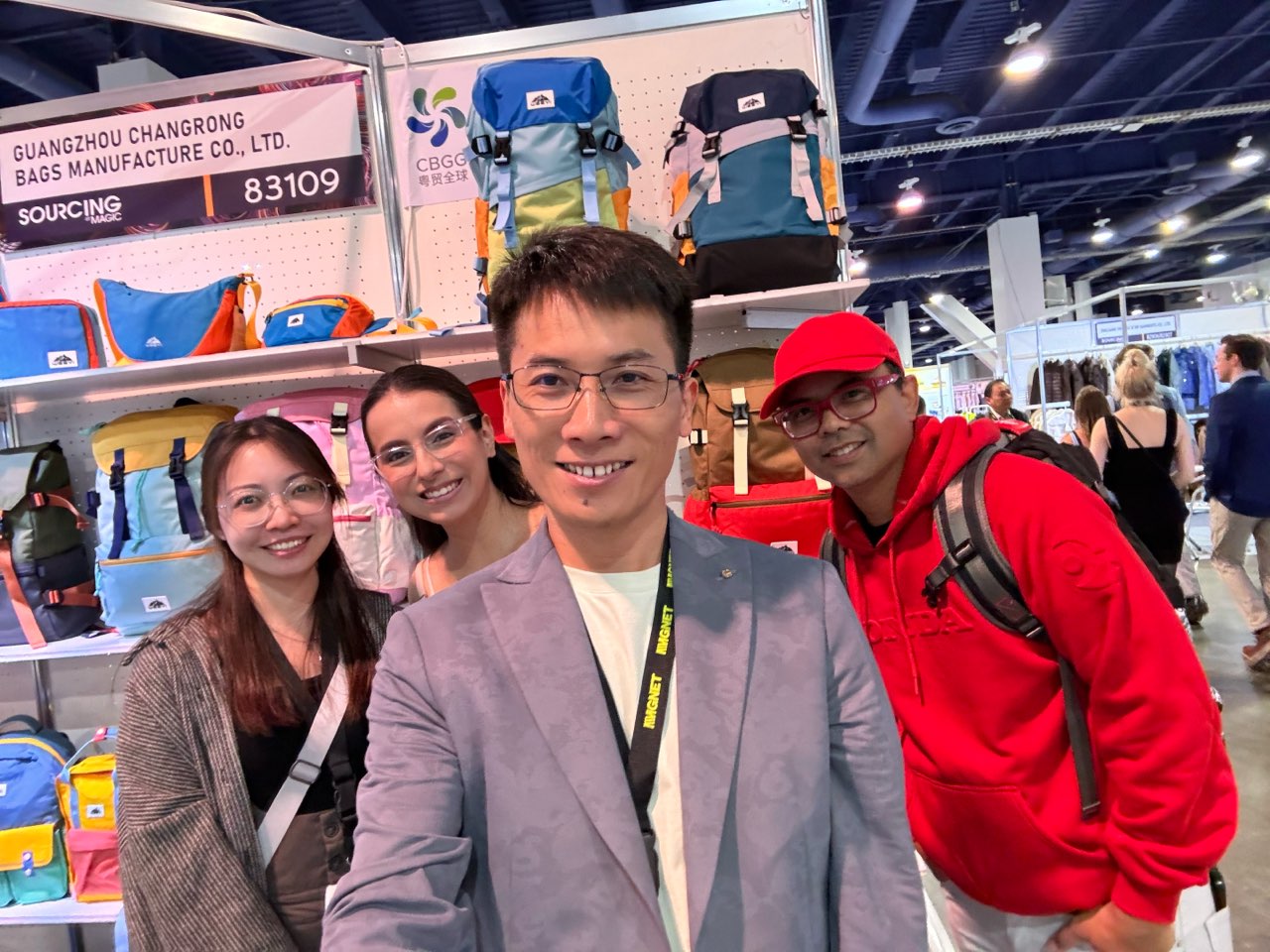
Costs and lead times depend on factory scale and location. A common, practical sourcing route is factories clustered in Guangdong province—a recognized production hub with long experience in volume bag work. That regional knowledge shows up in consistent tooling and skilled sewing lines. For a direct view of established partners, consider sourcing from reputable china bag manufacturing companies that publish factory photos, test reports, and clear minimums. Ask for real QC reports and physical swatches before full runs.
Common mistakes and how to avoid them
Don’t over-design: tiny pockets, hidden seams, or untested hardware add failure points. Don’t skip a proto run—photos alone miss fit and feel. Don’t assume logos scale linearly; a logo that looks fine on a shirt can get lost on a duffel. Avoid vague specs—list material denier, zipper model, pull type, and stitch count at corners.
Alternatives and trade-offs
Local production shortens lead times and simplifies communication but raises unit cost. Large overseas factories lower price and handle volume but need tighter specs and stronger QA. Digital printing gives full-color flexibility but wears faster than woven patches. Decide which trade-offs match your brand promise and order size.
Short checklist before you sign a purchase order
Have these ready: final tech pack with drawings and measurements, approved physical prototype, agreed lead time with penalties, sample test results (tensile, seam, colorfastness), and a packing list. Confirm who pays for failed QC runs and how disputes are handled. Clear terms prevent costly surprises.
Where this approach leads
Start from user needs, lock specs early, and choose a partner who can translate those specs into dependable production. That pathway yields sports bags and backpacks that perform and present your logo clearly, at predictable cost. For many brands, a partner like ChangRong becomes the practical bridge between design intent and reliable delivery.