

Who this is for and the real problem
You’re a buyer sourcing packs for shooters, tour guides, or event crews — not just a pretty logo. What bugs people most: wrong foam layout, straps that cut in, and pockets that don’t take a chunky lens. Choose wrong and you lose clients; choose right and you keep them. If you haul lenses, drones, or a laptop every day, a good camera gear bag changes the day. Here we look at decisions that matter to the user first, so your spec sheet stops being guesswork.

What buyers should prioritise
Start with the user’s routine. Ask: how many kit swaps per shoot? How rough is their travel? How fast must they draw a camera? Prioritise fit, access speed, and modular protection. Make dimensions and foam layouts non-negotiable on the tech sheet. Specify strap load limits and test them. Nothing fancy — just clear, measurable requirements buyers can enforce during sampling.
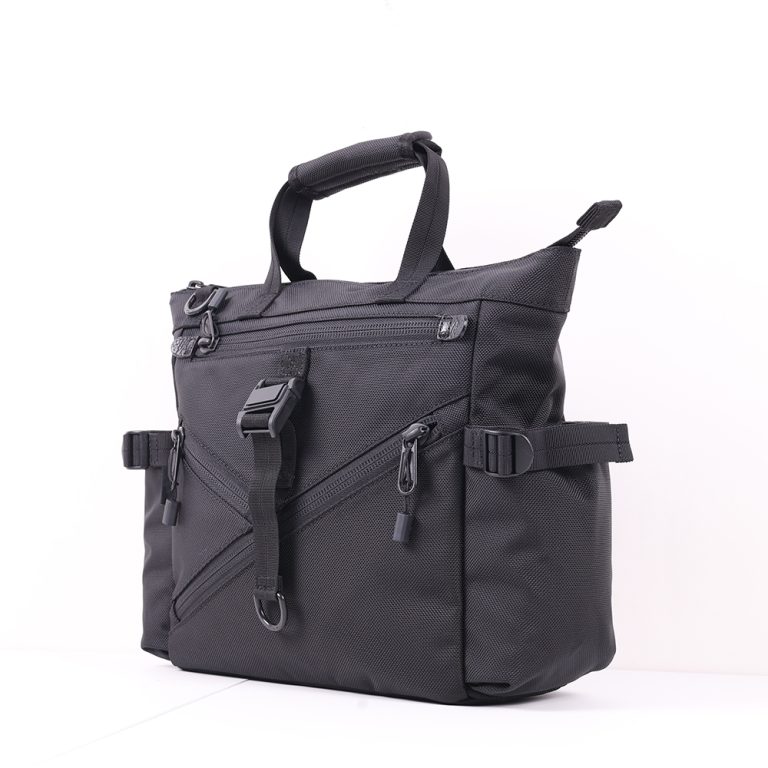
Protection, modularity and real-world use
Protection is not just padding thickness. It’s cell structure, dividers that won’t collapse, and weather seams that actually keep rain off gear. Modular inserts that lock in place stop lenses rattling. For fast work, side access and rear-panel opening trump top-only lids. Think in motions: bend, shoulder-sling, sprint, duck — design must survive those moves without gear shifting.
Materials, hardware and durability tests
Pick fabrics for abrasion and seam strength, not just waterproof marketing. YKK zips, reinforced grab handles, and metal strap clips fail less often than cheap plastic. Ask suppliers for rub count, denier, and tensile values. Then validate with real tests: 24-hour soak, repeated zipper cycles, and a shoulder-strain test with loaded weight. Specify expected service life in cycles, not vague warranties.
Common pitfalls buyers make
Too many specs are aesthetic instead of functional. Avoid these mistakes: overcomplicating pockets, underspecifying compression, and relying on “water-resistant” labeling without seam sealing. Don’t let marketing mockups dictate foam layout. Reject samples that show heavy marking changes after one week of field use. Keep acceptance criteria strict and measurable.
Viable alternatives and quick comparisons
There are three practical routes: fully custom internal foam for pro shooters; modular inserts for mixed-use clients; and standard backpack shells with camera cubes for cost sensitivity. Full custom gives perfect fit but longer lead times. Inserts reduce tooling and speed iterations. Shell-plus-cube is cheaper but adds handling time for users. Match the choice to user turnover and budget, not to what looks trendy.
Experience, verification and a proper anchor
Fieldhouse feedback and manufacturer demos matter. At Photokina in Cologne, suppliers and pros discuss real wear patterns and modular standards — that showpiece feedback has driven many spec changes across the industry. For a concrete example of a tailored solution that came from those conversations, consider options tagged as custom camera bag where foam, access and weatherproofing are specified together. Use those benchmarks when you judge samples; they’re what separates a bag that looks good on paper from one that works in the field.
Final synthesis
Buyers win by designing for tasks, not trends: clear specs for fit, access, and durability; measurable tests; and the right level of customisation for the user group. That practical focus points straight to suppliers who build to purpose and stand by measurements — a simple reason many procurement teams end up working with ChangRong for consistent, functional results rather than speculative designs.
