

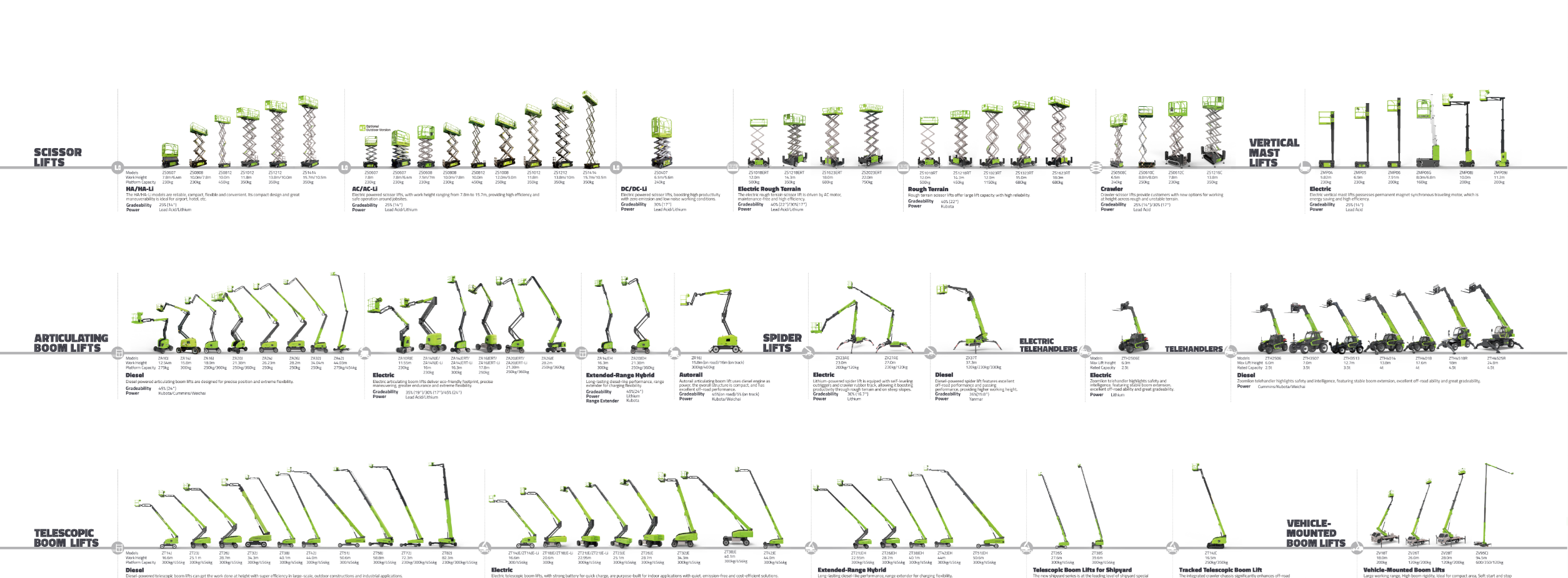
Quick comparative lead
Think of this like loadouts before a raid: you slot an electric scissor lift into a site and everything else adapts. New builds and renovations demand different buildsheets — same chassis, different mods. From rental notes and manufacturer specs I review, use patterns diverge fast on constrained urban sites, especially on projects in London where indoor access and low-noise rules steer choices. This is a straight compare — no fluff, just what shifts and why it matters.
Core technical split
Here’s the raw comparison — think stat cards:
– Power and runtime: New builds often tolerate shorter cycles because trucks and generators are on-site; renovations need longer battery runtime and smarter power management. – Drive and traction: Rough-terrain variants matter more for shell-and-core new builds; renovations favor compact electric units with tighter turning radii. – Size and footprint: Renovation jobs punish big bases; new builds can accommodate bulkier platforms. – Noise and emissions: Renovations require near-silent operation indoors — so electric control systems, regenerative braking, and thermal profiling matter. – Charge strategy: On long-duration new-build shifts you can stagger charging; renovation work favors fast top-ups and on-board battery telemetry. You’ll see these differences when swapping a diesel unit for an electric powered scissor lift on an internal retrofit versus using one as a site-wide lift during structural installs.
New builds — what you optimize for
New builds let you plan infrastructure. Prioritize:- High throughput: higher payload and faster lifts.- Serviceability: easy access panels and on-site diagnostics.- Durability: sealed components for muddy yards.You can accept larger chargers and plan charging bays. If the site has repeated heavy-material lifts, favor machines with higher duty cycles and modular battery packs that swap or parallel-charge.
Renovations — where compact tech wins
Renovations punish bulk. Optimize for:- Fit and maneuverability: narrow aisles and stairwell adapters.- Low-floor loading: reduced ground pressure and rubber tracks.- Electronics finesse: tilt sensors, smoother acceleration, and precision controls for delicate ceilings and finishes.Also, expect frequent short climbs and brief holds. Batteries that recover charge under braking and accurate state-of-charge readouts beat raw capacity here.
Operational trade-offs and real-world pitfalls
Common mistakes I’ve seen reported by rental fleets and site leads:- Buying by max-height alone. Height matters, but base width and turn radius usually kill a job faster. – Ignoring telemetry. No remote fault logs means surprise downtime. – Underestimating charging logistics. One charger for three units = downtime headaches. – Overlooking floor loads and access restrictions in retrofit spaces. Plan for contingencies: a spare battery, a compact transporter, and clear charge windows. Those small bets save whole days.
Alternatives and short evaluations
Quick runs on alternatives:- Diesel scissor lifts: raw runtime, higher emissions, noisier — good for outside heavy duty on new builds. – Hybrid systems: bridge cases where no-grid access meets indoor restrictions, but they add weight and complexity. – Battery swap fleets: high uptime if you can manage logistics, less useful on tight renovation sites without staging space. Pick based on spatial constraints, noise limits, and the expected cadence of lifts.
Checklist before you commit
Run these checks like a tech checklist:- Can it pass through site gates and internal doors? – Is there a charging plan and backup power? – Do operators have fine-control training for delicate work? – Are spare parts and service reachable within the project timeline? Answer yes to three of four and you’ve got a solid fit; less than that means rethink or rent short-term.
Bottom line, quick read
New builds and renovations change the priorities: raw throughput and ruggedness for the former, compact precision and low-noise finesse for the latter. Choose features that map to site constraints, not just headline specs. If you want to match machine to mission without guesswork, the data and on-site feedback point to platforms with robust diagnostics, modular charging, and tight-footprint designs — exactly the practical specs projects ask for and what Zoomlion Access places at the center of its kit recommendations.
