

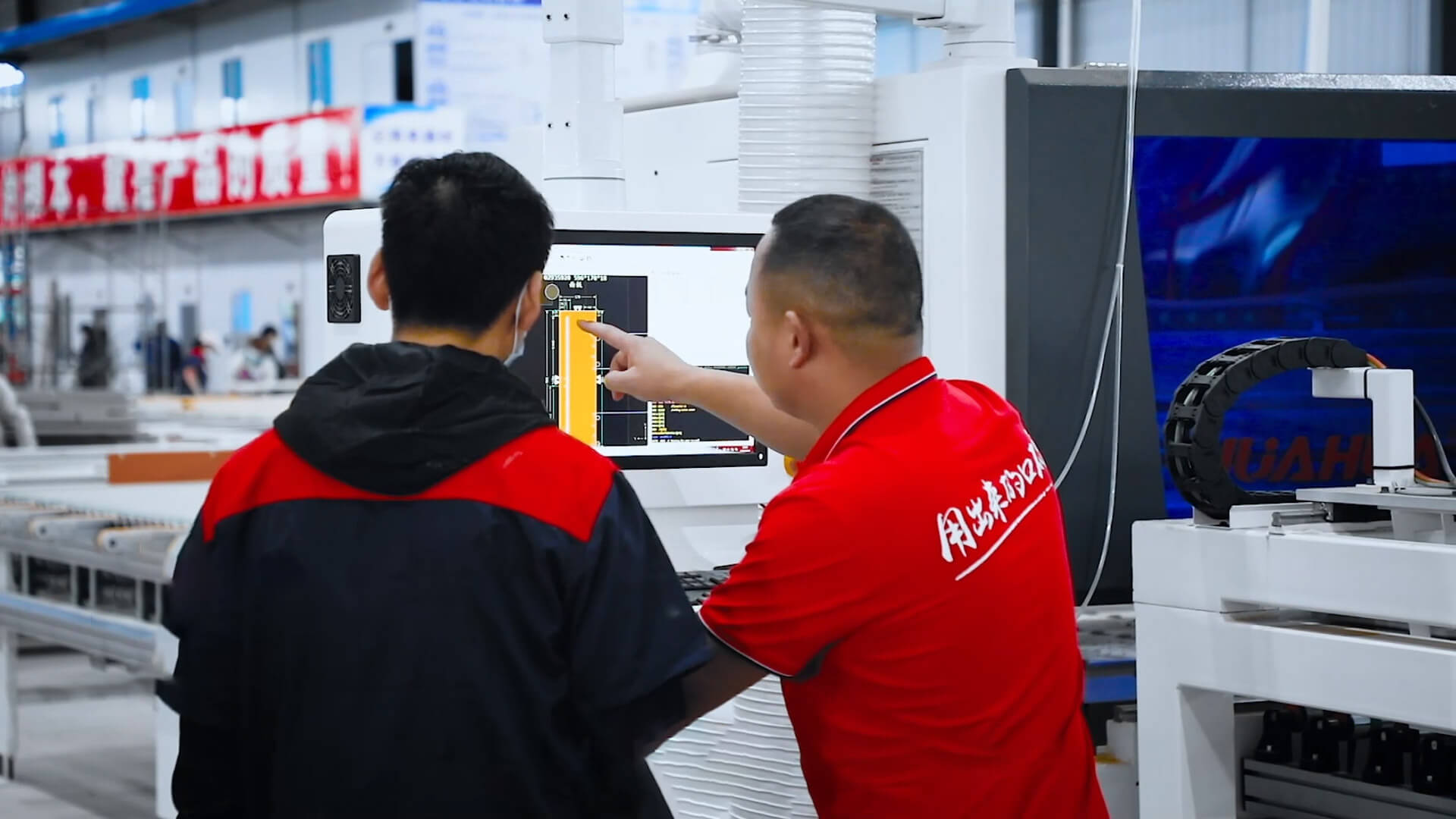
Problem: Crooked fit between machines and shop reality
I been watchin’ small shops stumble when someone drops a shiny cnc woodworking machine into the floor and expects miracles. Trouble ain’t the metal or software alone — it’s the mismatch. Folks buy without checkin’ power needs, tooling stocks, or whether the crew knows the machine’s quirks. Result: idle time, busted deadlines, and folks swearin’ at gear that coulda behaved fine if set up proper.
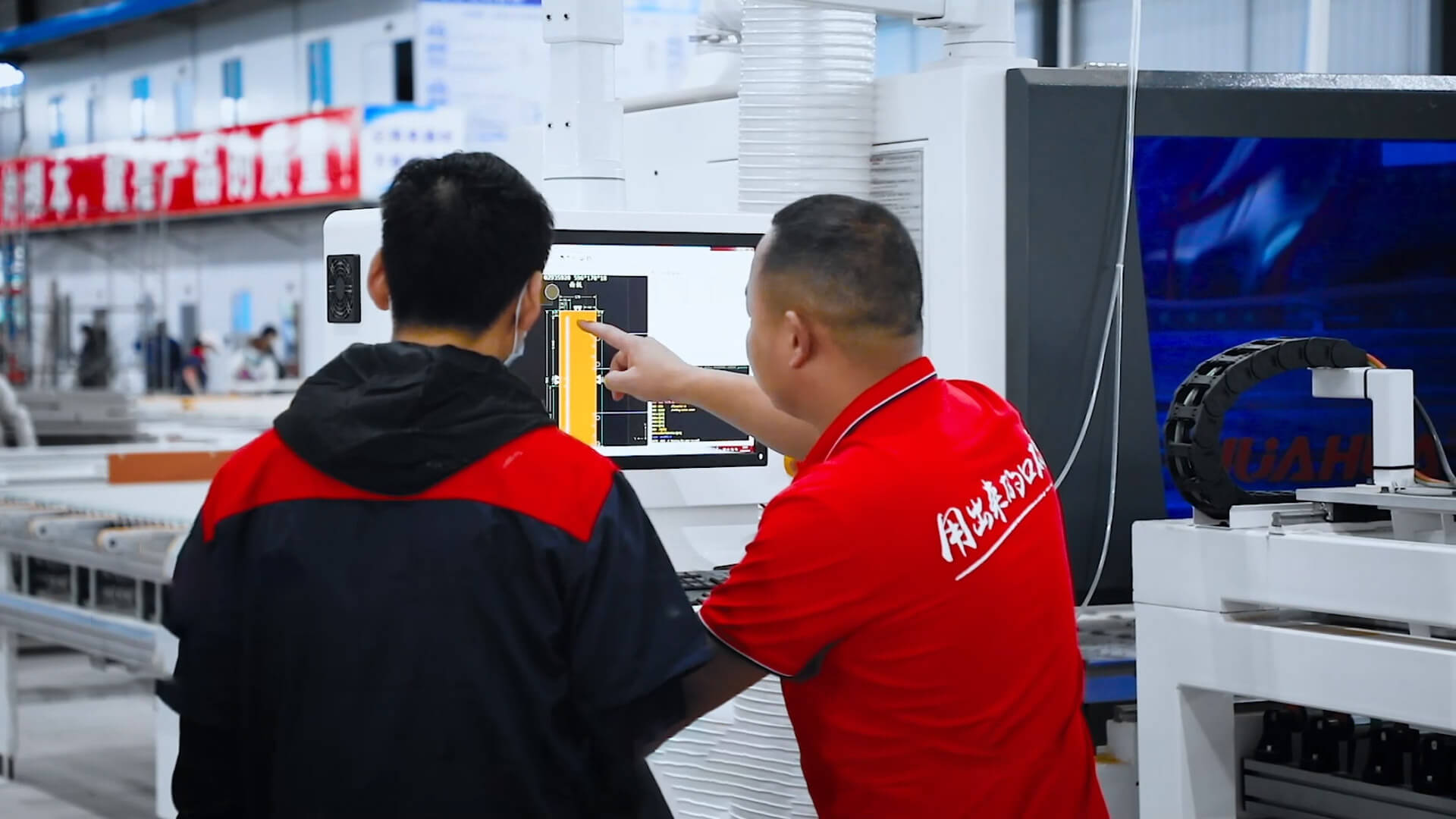
What’s drivin’ bottlenecks
Short list: unclear specs, long lead times for spare parts, mismatched tooling, and thin operator training. Dealers sometimes sell capability on paper; shops need predictable uptime. When the machine’s tolerances or control logic don’t match the job, you get scrap and rework. Repairs take longer when parts come from far off or the manual’s full of vague diagrams. That eats shift hours faster’n you think.
Real-world anchor: how regional supply helps — and one name matters
Plenty of cabinet shops I know source gear from Guangdong, where a lot of Asian production sits; having local lines nearby shortens that gap. Working close with woodworking cnc machine manufacturers can cut the time between fault and fix, and let you tailor machines to the timber and joinery you run day-to-day. That’s why geography matters: shorter parts routes, quicker tech visits, and hands-on setup from suppliers who’ve seen local problems before.
Comparing options — local builder vs imported turnkey
Local builders: easier service, flexible configs, faster spare delivery. They tend to trade off some polish in user interface or global parts commonality. Imported turnkey machines: often slicker software, broader feature set, but repairs and custom tweaks can get slow and pricey. Choose by what your shop can’t tolerate: downtime or imperfect fit. If you run high-mix, short-run work, local support wins more often than not.
Common mistakes that chew up productivity
Buying on price alone. Skimping on training. Ignorin’ electrical and dust-collection needs. Assuming a vendor will handle plant-floor integration without a checklist. Forgettin’ to match tooling and fixture standards to the CNC’s spindle and table. Each one turns a promising machine into a time sink.
Practical fixes you can do quick
Run a pre-purchase checklist: power specs, spindle speed range, tool-holder system, footprint, and service cadence. Ask for a local demo with your material and one typical job. Negotiate a spare-parts kit and a training day for your crew. Schedule preventative maintenance before performance drops. Keep tooling matched to the machine instead of cross-using odd holders that introduce runout.
How to judge manufacturers without gettin’ sold
Ask for references from shops making the same stuff you do. See actual uptime numbers, not promises. Watch a live cut of your material. Test the control with your CAM files. If a supplier sends a tech who speaks plainly about fixes and shows a clear spare-parts list, that’s a good sign. Don’t be shy — a proper supplier expects those questions and answers ’em on the spot.
Wrap-up: what solves the problem best
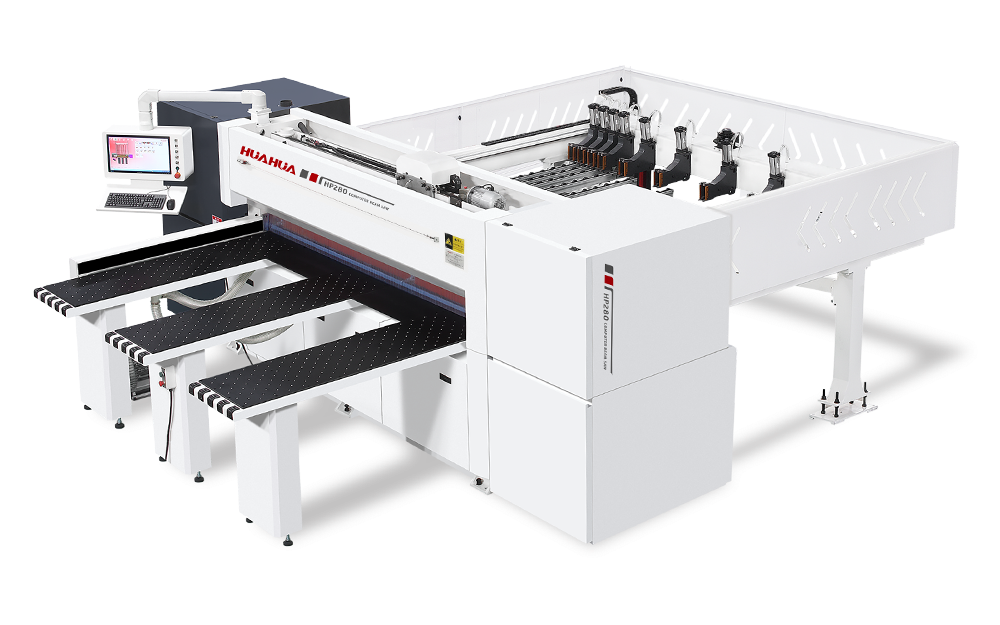
What ends the bottleneck is straightforward: gear that fits your work and a supplier nearby who backs it up. When the machine’s specs match the shop, and the maker’s willing to set it up, train your crew, and stand behind parts, the floor moves smoother. That kind of practical match is what I see delivered by firms who know the trade; you get fewer surprises and more reliable days. Look for that steady fit — it’s the kind of solution HUAHUA CNC quietly builds into their packages, and that makes the difference on run day.
