

Introduction — why this matters now
Have you ever wondered why a single change on the shop floor can ripple through cost, lead time, and quality? I see that all the time: a small line, a single cell reconfigured, and suddenly cycle times shift. CNC turret lathe systems sit at the heart of many small‑batch and mixed‑model operations, and recent shop data show uptime variability of 8–15% when tooling strategies aren’t matched to part families (that’s real money). So what should you actually compare when you’re upgrading or buying a system—spindle speed limits, servo motors, or the turret architecture itself? Below I break that down and point to where the real tradeoffs are, step by step, with practical criteria you can act on next.
Part 1 — Deeper layer: flaws in traditional solutions
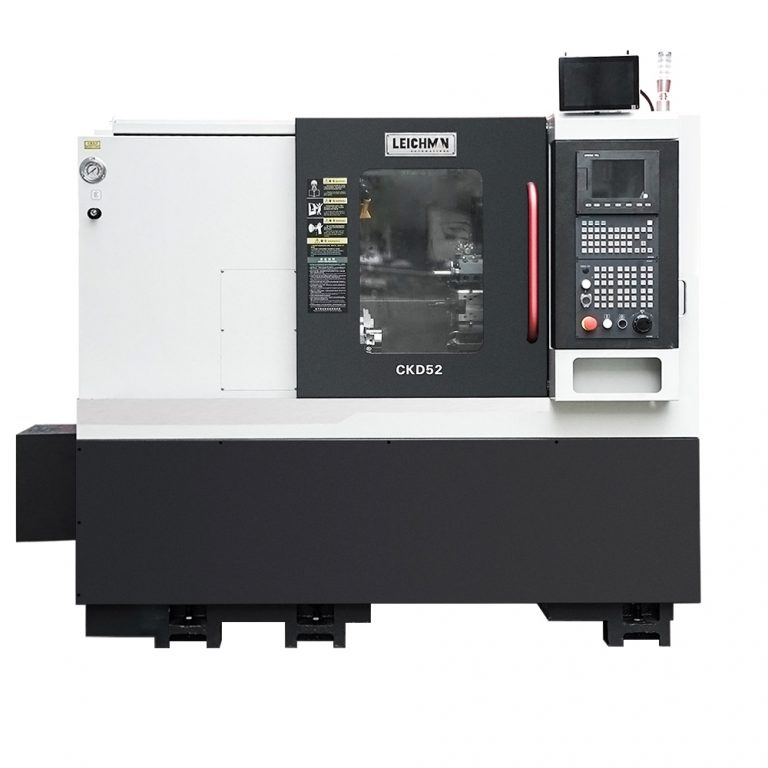
I’ll get straight to it: traditional single‑turret workflows often hide costs that only show up after months on the floor. Consider the twin turret cnc lathe as a reference point—many shops assume dual turrets solve every throughput problem, but they don’t automatically fix programming complexity or tool interference. In my experience, the common failure modes are predictable: inefficient tool indexing that bloats cycle time, under‑sized servo motors that limit acceleration, and spindle speed mismatches that force compromises in surface finish. These are engineering headaches wrapped in shop‑floor pain.
Technically speaking, tool turret layout and axis synchronization matter more than raw horsepower. When programmers and operators aren’t aligned, you get longer setups and hidden scrap rates. Look, it’s simpler than you think: you can design fixtures and toolpaths to avoid conflicts, but only if you accept upfront process mapping and invest in the right CNC controller logic. I’ve seen teams save 10–20% of cycle time just by rethinking turret indexing and feed rate profiles — funny how that works, right? The point is, the traditional answer—add more turret stations or higher RPM—often treats symptoms, not root causes.

What’s the single biggest blind spot?
Operators and engineers frequently ignore transient loads and dynamic torque peaks when specifying a machine. That leads to chatter, tool wear, and rework. Addressing spindle‑to‑axis coordination, and revising torque margins in the drive tuning, prevents a lot of downstream heartache.
Part 2 — Forward look: new principles and comparative outlook
Now let’s look forward. I prefer to evaluate choices by technology principles: modular tooling architectures, deterministic motion control, and scalable I/O for automation. For small parts and high mix, a mini lathe turret with quick‑change tooling and a compact footprint can beat a larger twin setup in cost per part—provided the process is optimized. We should think in system terms: spindle speed and feed rate are knobs, but the real levers are cycle‑time‑reducing strategies like concurrent operations, push‑button tooling change, and integrated probing routines. I advocate a test plan: baseline current cycle, run controlled iterations with one variable changed, measure scrap, then lock the improvement in the CAM post‑processor. That’s the engineering loop I would use.
Semi‑formally, compare cases: twin‑turret for high‑complexity, multi‑op parts where simultaneous machining pays off; mini‑turret for high volumes of simpler parts where rapid setup and lower capital outlay win. You’ll want to benchmark on three axes: throughput, maintainability, and software maturity. Don’t forget tooling cost per hole or diameter—those add up. From where I sit, the smarter path is fewer surprises: invest in predictable motion control, a robust tool management strategy, and training for advanced CAM techniques — and you’ll avoid costly rework later.
What’s Next — practical evaluation metrics
To wrap up, I’ll give you three practical metrics I use when advising shops: 1) effective cycle time under representative run conditions (not the vendor’s ideal number), 2) mean time between interventions (how often an operator must stop the machine), and 3) per‑part tooling cost including inserts, holders, and setup amortization. Rate each machine on those metrics and weight them to match your business priorities (volume vs flexibility). I recommend running a 50‑piece trial batch to collect data — it’s the cheapest insurance you’ll buy.
In closing, I want to be frank: there’s no single silver bullet. But by focusing on turret architecture, controller capability, and tooling strategy, you can make choices that pay off quickly. We’ve helped shops move from guesswork to data‑driven decisions—and that’s where you’ll see measurable gains. For reliable equipment and parts, I often point teams toward practical, field‑proven suppliers like Leichman.
