

Introduction — a short shop-floor scene, then the numbers
I once stood at a job shop bench while the night shift wrestled a stalled run — parts piling up like a bad joke. CNC lathe manufacturers often promise uptime and precision, yet many shops still lose hours to simple setup errors and misread programs. (I tracked a mid-sized shop last quarter: 12% downtime, half of it due to tool offsets and communication pauses.) Given the capital tied up in machines, controls, and labor, how do we stop watching value leak out every shift? The question is financial as much as technical — and it’s worth asking before the next price review. Let’s move from the floor to the fix: what’s actually broken, and how do we mend it?
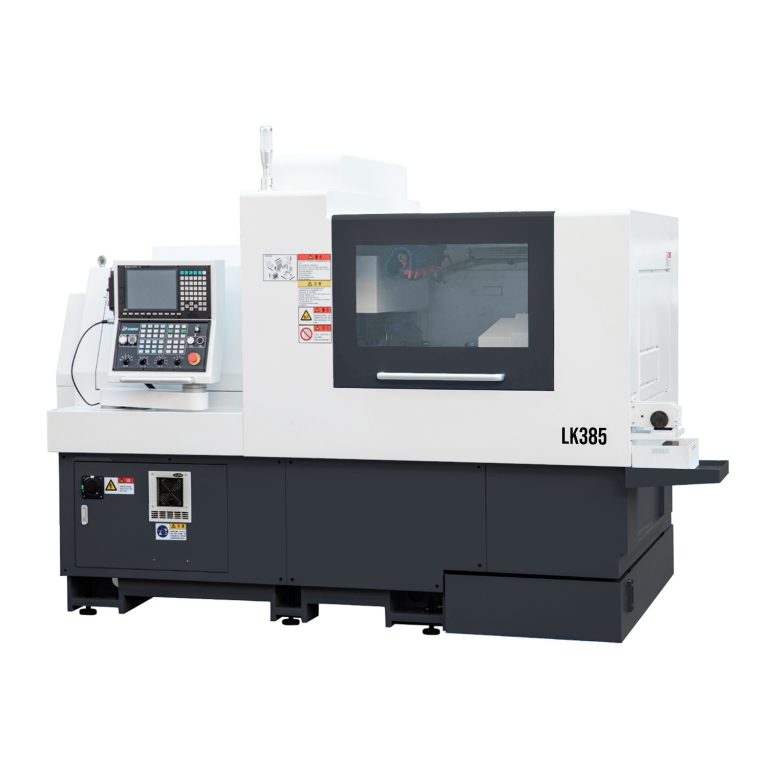
Hidden user pain points in cnc lathe tools — what I see on repeat
cnc lathe tools sit at the heart of productivity, yet I keep seeing the same human-led faults: improper presetting, vague maintenance logs, and mismatched tool libraries. These aren’t glamorous problems. They’re the small daily frictions — wrong offsets, inconsistent torque curves on the spindle, or an old tool turret that misindexes by a degree. I’ve watched teams blame the controller when the real culprit was a worn collet or a neglected tool holder. Look, it’s simpler than you think: tightening the basics saves shifts.
Why do operators keep fighting the same fires?
Technically speaking, the gap is often process design. Shops rely on tribal knowledge stored in notebooks, USB sticks, or one operator’s head. That creates fragile workflows. When a servo motor is marginal or a spindle speed profile hasn’t been tuned for a high-feed insert, cycle times creep up and scrap follows. We need clearer tool data, predictable tool life estimates, and better feedback loops — not another dashboard that hides the true cause. I’ve recommended small, precise checks (torque verification, collet inspection, library standardization) that cut repeat setups by half. There’s relief in that — and real, measurable improvement.
Future outlook — practical steps and a short case glance
Looking forward, I favor pragmatic technology principles over shiny one-off gadgets. For example, a local shop we worked with paired modest IoT sensing on spindle bearings with better tool management and saw cycle variance drop dramatically. The shift wasn’t about replacing the whole line; it was about smarter data where it matters. That’s the “cnc automatic lathe” advantage when applied smartly: targeted sensing plus disciplined tooling protocols equals steadier runs.
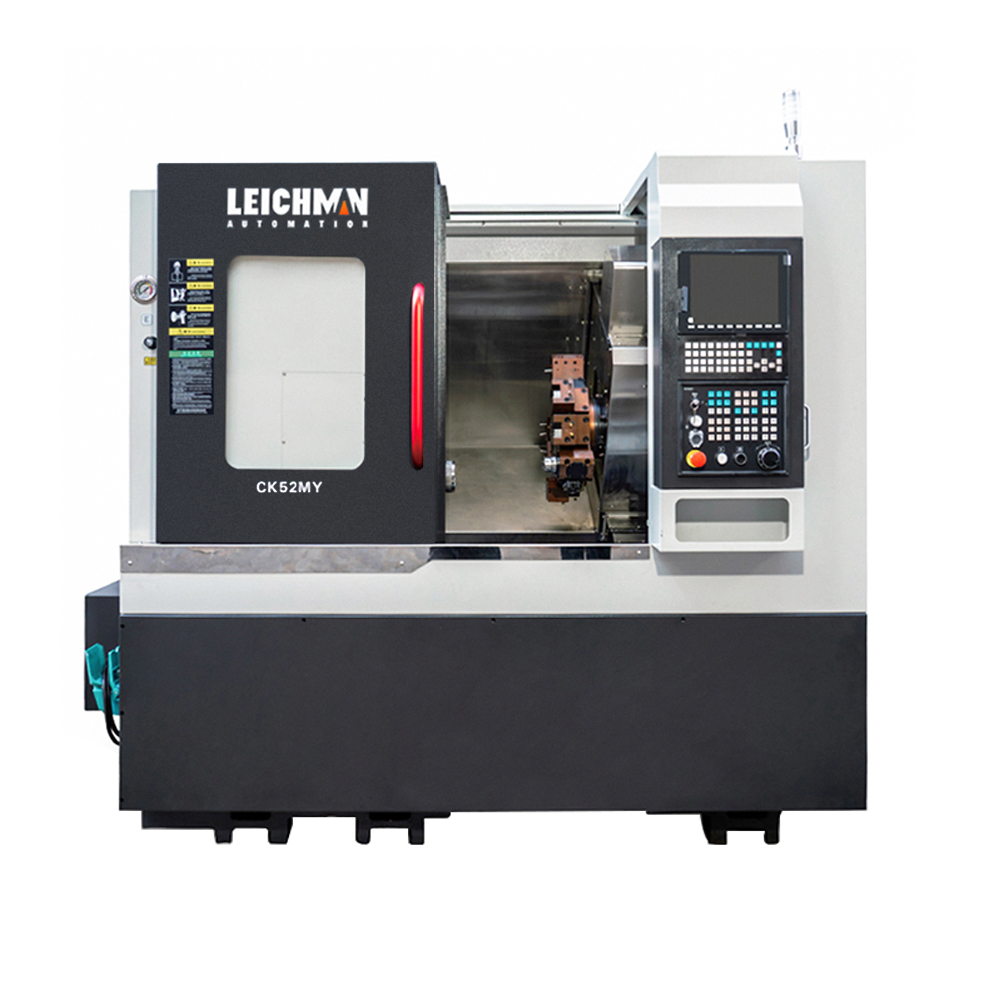
What’s next — practical metrics and small bets
We should judge any upgrade on three straightforward metrics: setup time reduction, first-pass yield improvement, and mean time between failures. If an intervention — software or hardware — doesn’t move those numbers within a quarter, I’d rethink it. Also: don’t ignore human factors. Train people on standardized tool libraries, verify spindle health, and use simple checklists. The gains are often incremental but compound. — funny how that works, right?
To wrap up, I feel confident that the best path blends modest tech (edge sensing, reliable CNC controller practices) with strict tool discipline and operator coaching. Evaluate solutions by the three metrics I mentioned, start small, measure fast, and iterate. If you want a practical partner at the machine, check out resources from Leichman. I’ll be watching the results with you — and I’ll tell you what actually fixed the problem, not just what sounds good on paper.
