

Introduction — a small mystery I want you to notice
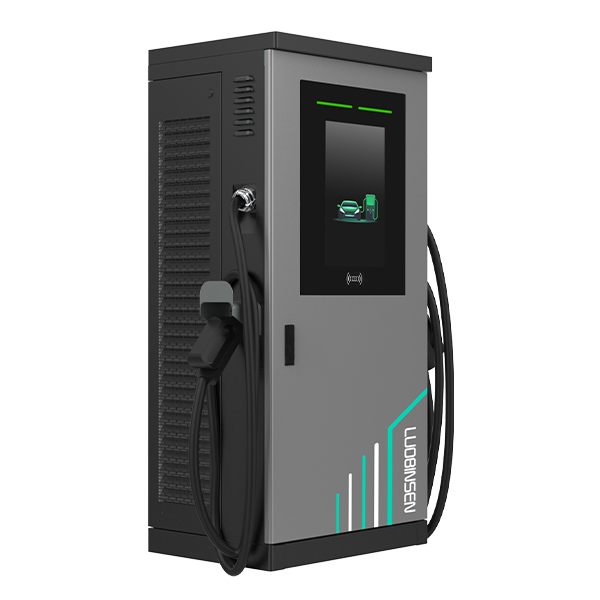
Have you ever wondered why a busy charging bay suddenly becomes a dead zone at 6 p.m.? I see that scene often: a storefront parking lot, three cars queued, and one charger that refuses to behave. The core object in that scene is the all-in-one charging station, and its promise—fast, clean, simple—meets messy reality more often than it should. Recent field data shows uptime swings of 10–30% across similar sites (and yes, that number surprised me). So what exactly breaks down when demand spikes — hardware, software, or the way we spec systems? I want to follow the clues and point out the practical signs you can spot before a failure becomes a complaint. Let’s peel back the layers and see what’s hiding under the hood.
Where traditional solutions crack — deeper flaws and hidden pain
ev charging provider systems were built fast to meet demand, and I’ll be frank: a lot of them lean on short-term fixes. Technical tradeoffs like undersized power converters, weak load balancing, and limited battery management systems are common. These tradeoffs reduce cost up front but raise failure risk later. Look, it’s simpler than you think—when a site manager tells me the charger trips every time two cars plug in, that’s not luck. It’s a design choice. Installers sometimes accept single-point power feeds or minimal thermal margins because budget wins over durability during procurement. The result? Repeated maintenance calls, unhappy drivers, and warranty claims that take months to resolve.
Why do seasoned teams still accept those compromises?
I’ve asked that question to fleet operators and small-site owners. The short, practical answer: speed to market and purchase price dominate decisions. The longer answer is organizational: procurement teams often lack field feedback loops, and technicians are juggling firmware quirks and onsite workarounds (— funny how that works, right?). From an engineering angle, insufficient grid connection studies and poor integration of energy management—terms like smart metering and grid tie-in get thrown around—create cascading issues. Add software latency, and the user-facing experience collapses. The hidden pain? Time lost, eroded trust, and replacement cycles that cost far more than the initial savings.
Looking ahead: principles, examples, and what to compare
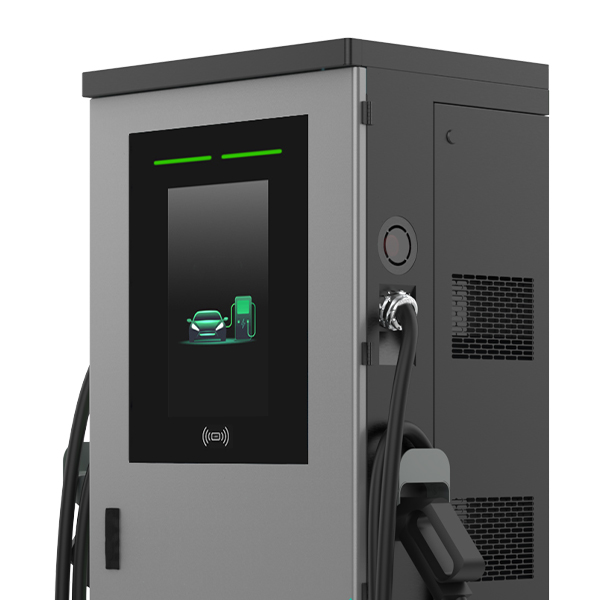
Moving forward, I favor two paths: pragmatic standards and smart systems that learn on the job. For new deployments, consider a dc electric vehicle charger that pairs robust power electronics with adaptive software. A well-designed DC charger reduces conversion steps and improves efficiency, which directly lifts uptime and lowers thermal stress. From a principles view: prioritize modular power architecture, clear communication protocols (OCPP, for instance), and scalable load management. These choices let you add capacity without ripping out hardware. Real-world pilots show that modular chargers recover from faults faster and require fewer site visits—real savings, not just promises.
What’s Next: real-world impact and practical steps
I want to give you three clear metrics to judge systems by—because guidance without measures isn’t helpful. First, measure usable uptime under peak load (not just nominal specs). Second, check thermal headroom: how much extra current can the system take before throttling? Third, evaluate interoperability: does the charger play well with third-party energy management and billing platforms? These three metrics map directly to driver satisfaction, maintenance cost, and future-proofing. I’ve seen installations that scored poorly on one metric but excelled on the others; balancing matters. — can’t help but notice how small choices early on change outcomes dramatically.
In closing, I’ve learned to trust field signals over glossy brochures. When you compare suppliers, insist on demonstrable test data for peak scenarios, ask for service response SLAs, and look for modular designs that make upgrades simple. If you want a controlled pilot or vendor benchmark, I’ll help you frame the test. For reliable hardware and integrated systems, consider exploring options from Luobisnen.
