

Introduction — a shop-floor moment, some numbers, and the question that follows
I walked into a small shop last winter and watched a worn fixture wobble while a machinist cursed under his breath—then he shrugged and said, “This is how we’ve always done it.” That kind of resignation is common when teams evaluate vertical machining center manufacturers; the choices feel big and the stakes feel bigger. Last year, industry surveys showed a 22% uptick in rework rates tied to machine inaccuracies, and I found myself asking: are we buying the right machines or just repeating familiar mistakes? (I’ll be frank—this hits me personally.) This piece walks through that doubt and leads us straight into the real issues makers face today.
We’ll start by naming the hidden pain points, then dig into where standard fixes fall short, and finally look ahead at what to measure when you choose a partner. Ready? Let’s move on and get practical.
Part 2 — Where standard solutions stumble: a technical look at supplier-side flaws
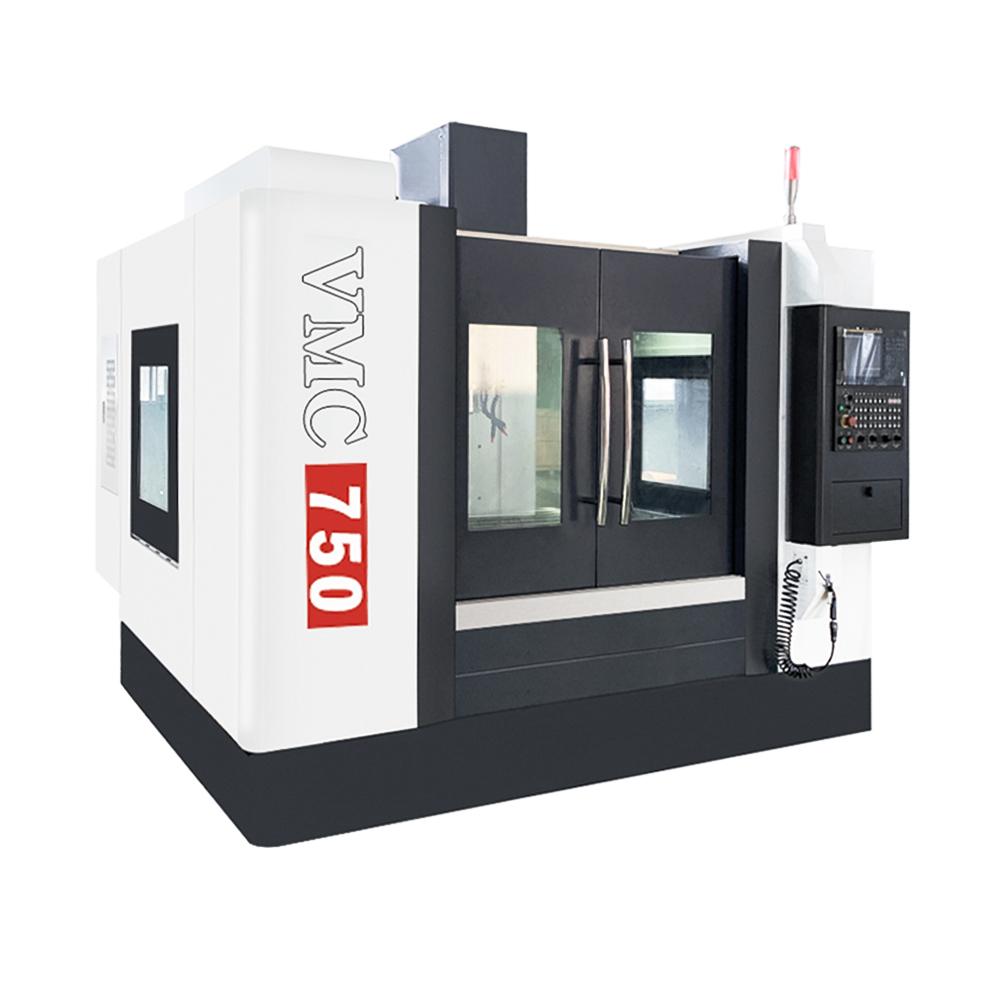
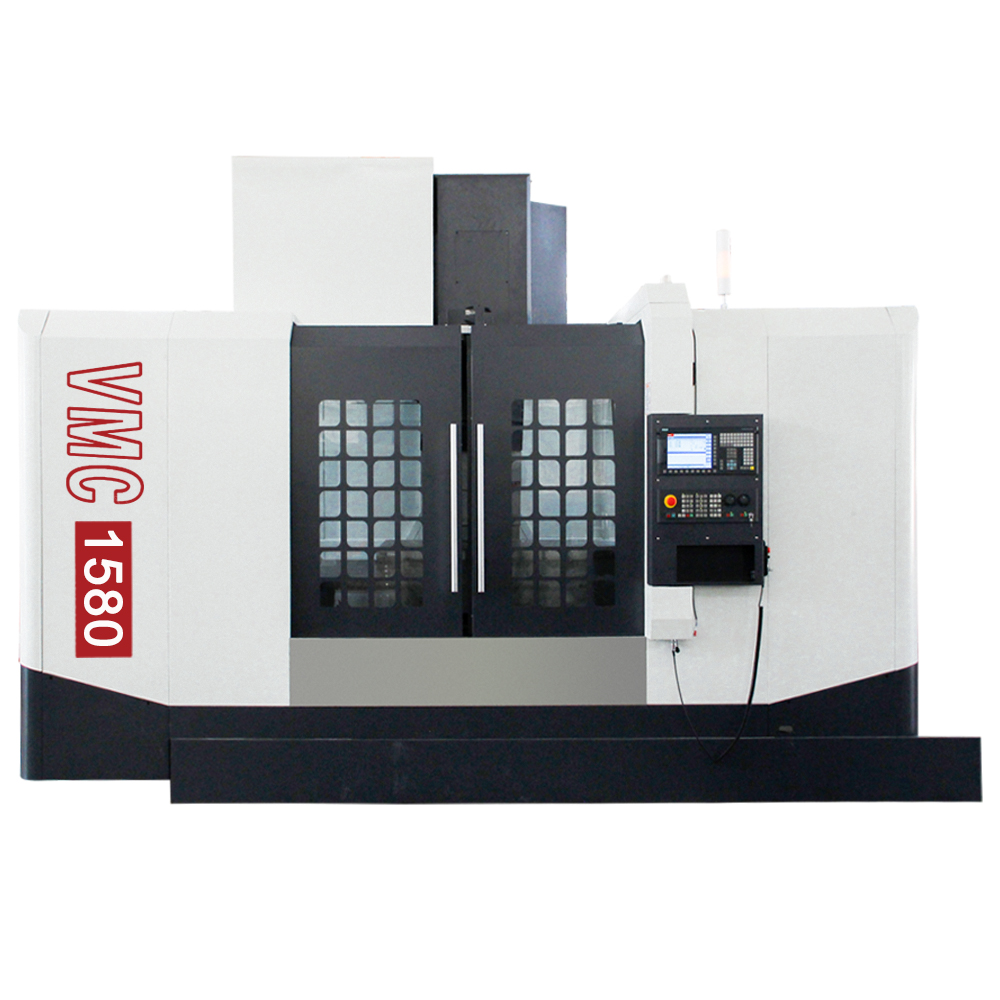
I want to be blunt: many teams lean on a checklist and call it procurement. When you ask a cnc vertical machining center supplier for a quote, the sheet often lists spindle speed and power ratings, maybe a 24-pocket tool changer and a nominal servo motor torque figure—and everyone nods. But those specs alone miss how machines perform under real load, thermal drift over a shift, and the true rigidity of the linear guide system. I’ve seen suppliers promise ±0.01 mm repeatability on paper, yet parts drift after two hours because coolant routing creates uneven thermal expansion. Look, it’s simpler than you think: spec sheets aren’t warranties of consistent part quality.
Why do standard approaches fail?
Manufacturers and shops focus on peak numbers instead of sustained performance. They chase high spindle RPM and large tool changer capacity without modeling vibration modes or considering maintenance windows. The result: higher mean time between failures on paper, but not in practice. We need to test for sustained accuracy, evaluate how the coolant system affects thermal stability, and assess real-world service response times. Otherwise the “high-spec” machine turns into a costly bandage for process problems that never get fixed.
Part 3 — What’s next: a forward-looking take and three metrics to guide your choice
Looking ahead, I believe the right move is to blend straightforward engineering checks with supplier transparency. New control firmware and better thermal-compensation algorithms are changing how machines hold tolerance, but adoption varies. When I consult with shops, I ask: does the supplier share both lab and shop-floor test data? Can they demonstrate thermal drift over a full shift? You’ll want a machine that pairs precise spindle control with predictable behavior, not just a flashy panel. Also—and this matters—service networks and spare parts velocity make or break uptime. — funny how that works, right?
Real-world impact
In practice, I recommend three practical evaluation metrics before you sign purchase orders: 1) sustained tolerance under load (measure over an 8-hour run); 2) mean time to repair (MTTR) backed by local support; and 3) documented thermal compensation performance. These metrics force clarity on what machines do in the shop, not just what they claim on paper. I’ve used these myself with suppliers and they’ve saved weeks of downtime and a chunk of budget—so yes, they matter.
To wrap up: trust your hands-on tests, push suppliers for real data, and prioritize predictable support. If you want a partner that answers those questions instead of dodging them, take a look at proven vendors like Leichman. I’m glad we’re talking about this—because the right call now saves headaches later.
