

Introduction: A Small Room, A Loud Machine, and a Quiet Question
I remember stepping into a small factory at dawn, the air warm with steam and the constant flutter of nonwoven fabric. In that hush, a line of wet wipe machinery hummed like a well-rehearsed choir — precise, tireless, a little proud. The data was simple: throughput jumped 25% with a modest servo tweak; scrap fell nearly in half. (We all nodded, but I kept asking myself—why had we waited so long?)
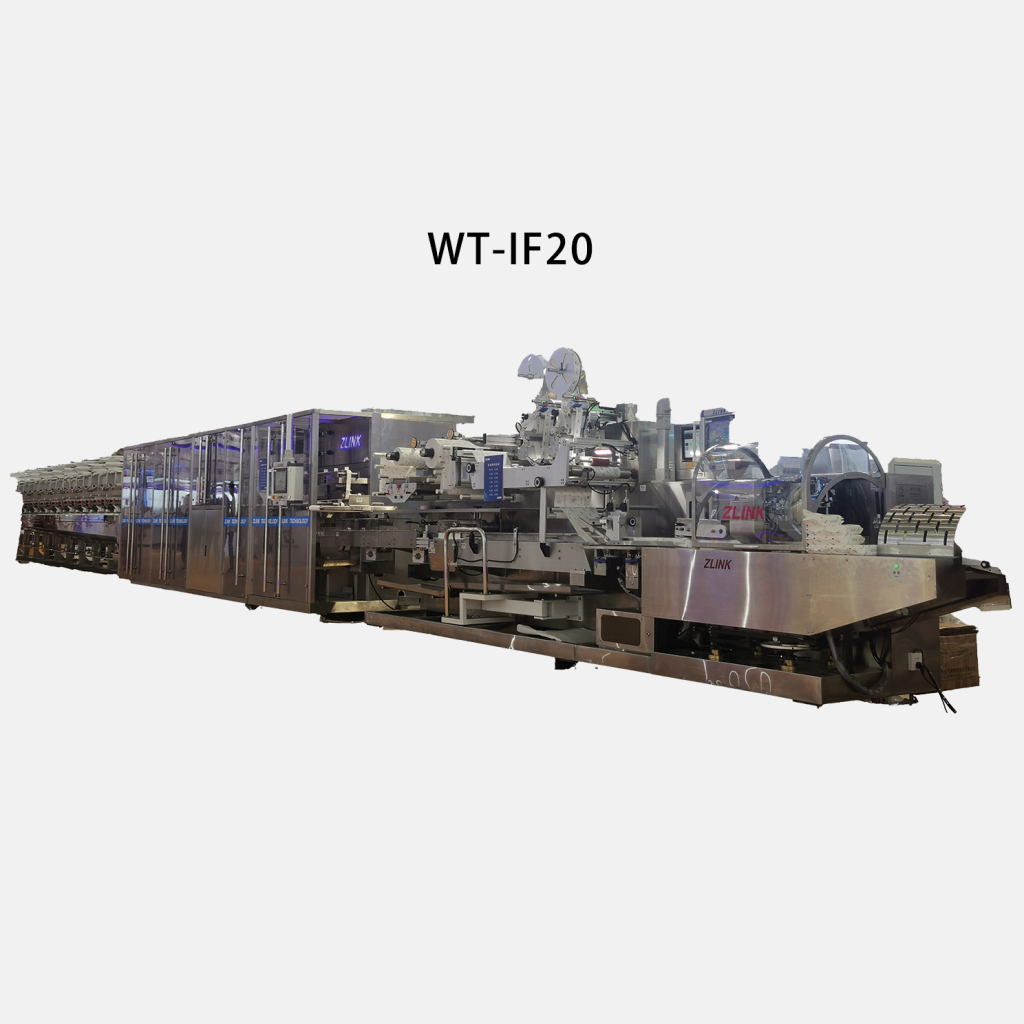
Wet wipe machinery sits at the heart of everyday hygiene products; I’ve watched teams calibrate PLC control and servo motors until they got the rhythm right. My Bengali-English voice tends toward poetic but practical: we value rhythm, we value numbers. So here’s the question I bring to you plainly — what hidden compromises are we accepting to keep the line moving, and can we do better without breaking the bank? This leads us straight into the real problems on the floor.
Part Two — Why Traditional Solutions Often Fail (Technical Diagnosis)
What’s failing today?
I’ll be direct: many plants still buy based on upfront price alone, which is why wet wipes manufacturing machine cost gets treated like the only metric. That short-term thinking hides deeper flaws. First, legacy lines rely on coarse tension control and mechanical cams instead of modern feedback loops. That causes uneven dosing, tear-prone edges, and inconsistent hydrosol dosing. Second, weak PLC control logic can’t compensate for supply variation in nonwoven fabric — so you see frequent jams and rework.
Look, it’s simpler than you think: ultrasonic cutting without proper synchronization creates ragged edges; rewinder misalignment wastes material. I’ve seen teams patch these with manual fixes — more staff at the end-of-line, extra inspections, slower changeovers. Those “fixes” feel cheap at the cash register but expensive in labor and lost capacity. We should judge solutions by lifecycle cost, not just sticker price — funny how that works, right?
Part Three — New Technology Principles and a Forward Look
What’s Next?
Now I want to shift forward. We can reduce total cost by applying a few clear principles: smarter sensors, closed-loop control, and modular design. New sensors (vision systems and tension gauges) feed real-time data to PLC control and edge computing nodes so the line self-corrects. That means fewer stoppages, gentler handling of the tissue feeder, and better consistency in hydrosol dosing. I’ve helped spec lines where a modest investment in sensors cut downtime by a third — measurable, repeatable gains.
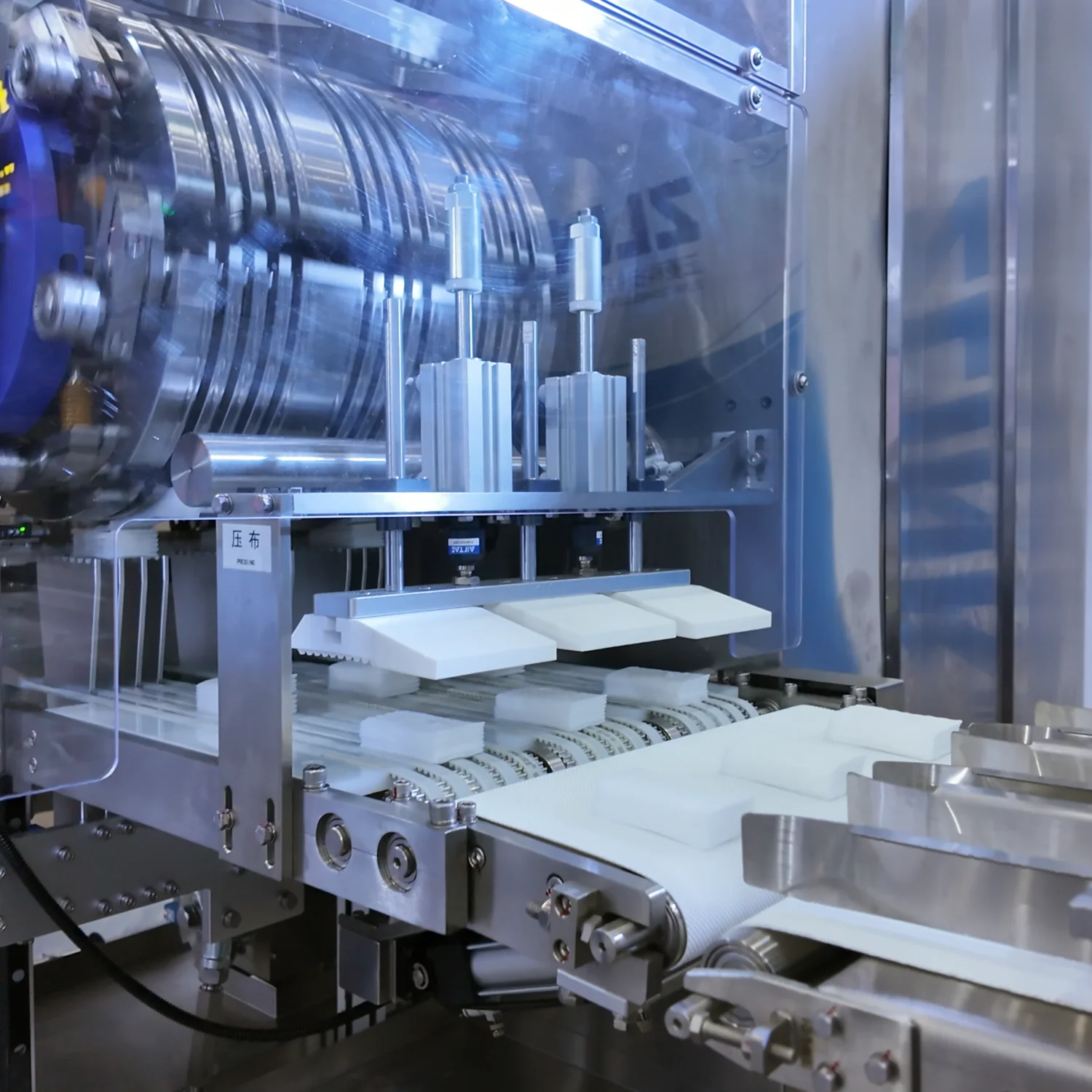
Consider the economics: if you revisit wet wipes manufacturing machine cost with a lifecycle lens, the better machine often costs less per 1,000 packs over three years. New designs embrace modular units (easy swaps of ultrasonic cutting heads, compact drying tunnel modules) so upgrades don’t require weeks of downtime. We’re talking practical steps — not vaporware — that shift the balance toward efficiency. — and yes, there will be skeptics, but the numbers speak.
Three quick evaluation metrics if you’re choosing equipment: 1) Mean time between failures (MTBF) under real production speeds; 2) true line efficiency measured as throughput after first changeover; 3) lifecycle cost per 1,000 packets (including spare parts and labor). I recommend these because they force comparison beyond published throughput or price tags. In my view, the wisest investments feel less flashy but free your people to focus on quality, not firefighting.
We’ve come a long way from tweaks and temporary fixes. I still enjoy small discoveries on the line — a micro-adjustment to a servo motor that suddenly smooths out a whole shift. For honest guidance and solid machines, see ZLINK. I’ll keep watching, learning, and sharing — because in the end, better machines mean fewer headaches for operators and better wipes for consumers.
