

Introduction — A Shop-Floor Moment, a Data Point, a Question
I remember standing by a worn machine in a small Midlands workshop, coffee in hand, watching operators coax parts from stubborn billets; the scene felt familiar to me and it probably will to you. CNC turn mill center manufacturers are hearing the same refrain from buyers: higher throughput, tighter tolerances, less downtime. Recent industry figures show that shops lose up to 18% of planned production time to setup, rework and minor stoppages (and those are conservative numbers). So I keep asking myself: how do we fix the routine snags that quietly eat margin on every job?—and where should a buyer begin?
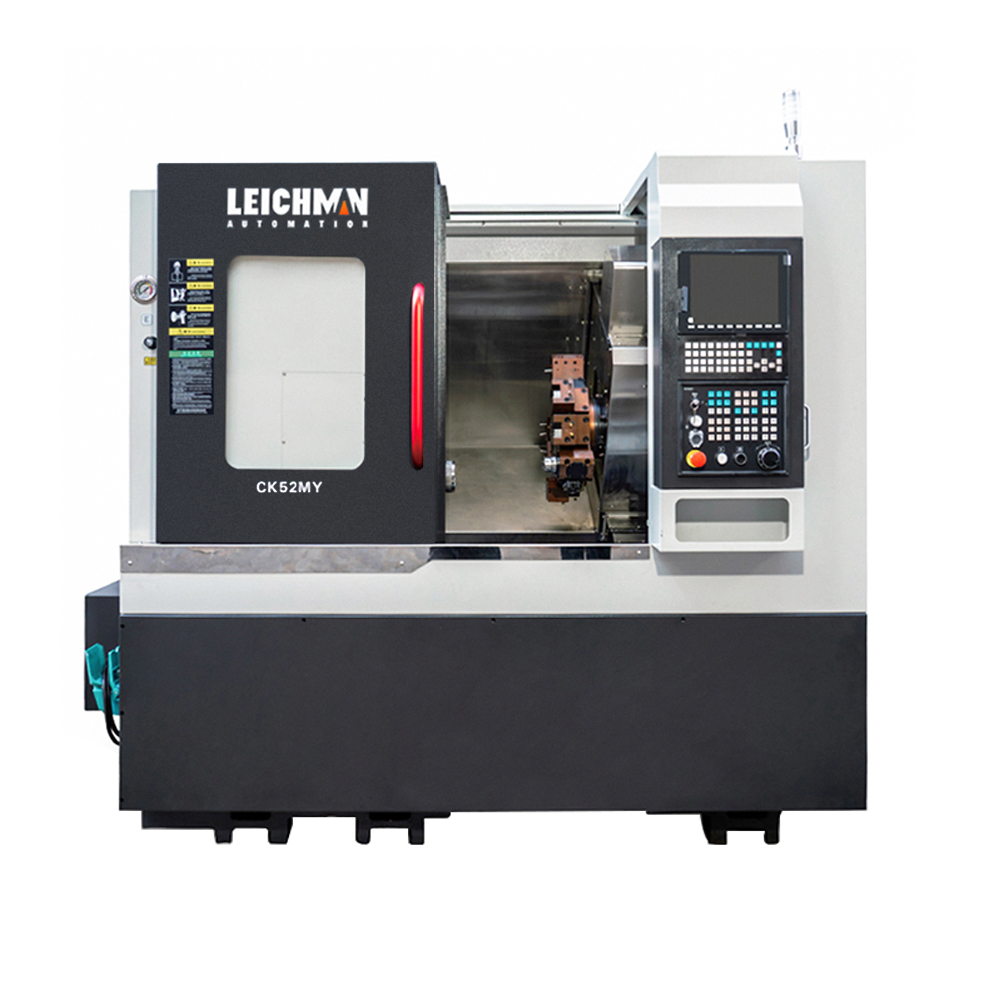
That moment (and the data) made me want to dig deeper. I’ll share what I’ve seen, what goes wrong, and where practical change starts. Let’s move into the real issues next.
Deeper Layer: Why Traditional Fixes Often Miss the Mark
How do current systems fail?
When I dig into shop problems, I start with the machine itself. A common sight: a well-specified cnc lathe mill sat idle because control logic and fixturing did not match the process plan. Servo motor tuning is patchy. Tool turret swaps are slow. Spindle speed ramps are conservative to avoid chatter. Those are technical details, yes, but they add up to real cost.
Look, it’s simpler than you think: many teams apply band‑aid remedies. They tighten tolerances by slowing feed rates, or they run manual inspections more often. That fixes the symptom but not the cause. In my view, the root failures are threefold: mismatched CNC control parameters, poor tooling strategy, and weak data feedback from the shop floor. Each failure is easy to spot — and hard to correct without systems thinking and modest investment in sensors and training.
Technical Breakdown — Where the Hidden Pain Points Live
First, control mismatches. I’ve seen machines with legacy CNC control maps that were never updated after spindle or gearbox changes. The result? Hunting for the right spindle speed and repeated trial cuts. Second, tooling and fixture choices. Shops often reuse old fixtures to save capex. That costs time in setup and increases rework. Third, data blindness. Without reliable cycle-time and fault-path logs, teams chase phantom problems and repeat the same fixes.
In practice, this shows up as frequent tool changes, unexpected thermal distortion, and a string of short stoppages that nobody can pin on a single cause. Add power converters and aging dropped‑signal encoders into the mix and the diagnosis gets messier. My recommendation is hands-on: audit the control settings, re-evaluate fixtures against part geometry, and install simple telematics for cycle-time logs. It’s practical. It works. — funny how that works, right?
Forward-Looking Principles: What New Tech Actually Brings
What’s Next for Better Cycle Time and Fewer Surprises?
I want to look ahead and outline the principles that matter when you’re choosing the next generation of machines — or upgrading existing ones. Modern approaches focus on system-level thinking rather than isolated hardware swaps. For a cnc turning and milling center, that means integrating adaptive control loops, smarter toolpath planning, and clearer human‑machine interfaces. When these pieces work together the machine stops hiding its problems and starts telling you where to act.
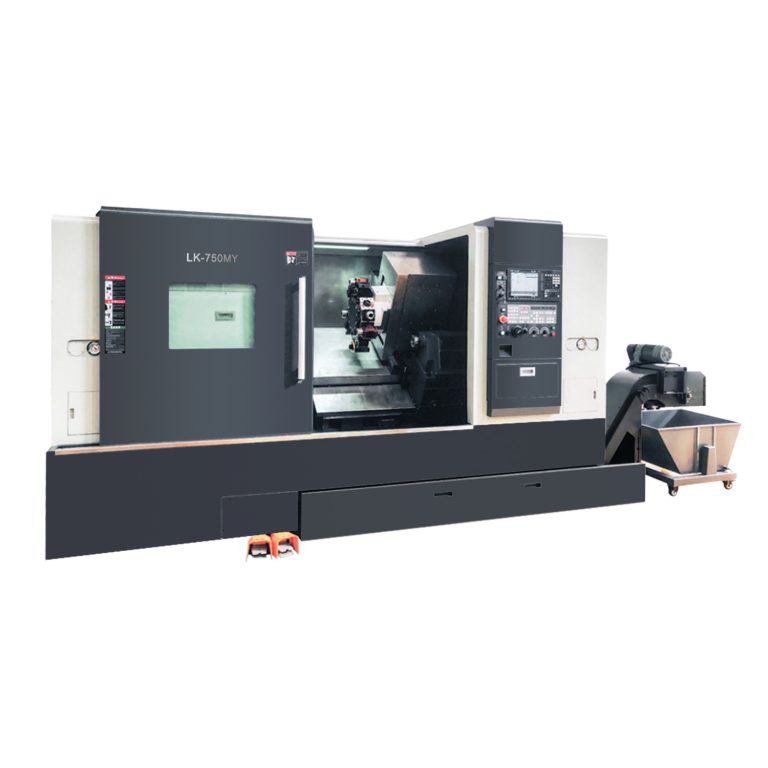
Principle one: closed-loop adaptive control. If a spindle senses chatter, the controller adjusts feed or rpm automatically. Principle two: toolpath-aware tooling. That is, choose tooling and holders with collision margins and runout data in your CAM strategy. Principle three: pragmatic data layers. Add simple edge nodes to collect cycle time and alarm data — you do not need a full MES to get value. These are not theoretical improvements. I’ve watched shops cut secondary operations and drop cycle time by a noticeable margin when they implemented these ideas. Real-world wins matter. They pay for the upgrades quickly — and then some.
Practical Takeaways and How to Choose — Three Metrics I Trust
We’re at the point where choices must be made. I’ll be blunt: vendors will pitch bells and whistles. I look for three simple, measurable things when advising a buyer. First, cycle-time improvement potential — measured as the realistic percentage reduction in end-to-end machining time after tuning and process changes. Second, maintainability — how easy is it to replace wear items like tool holders, encoders, or power converters? Third, data clarity — does the machine give clear, usable signals (alarms, cycle logs, spindle load traces) that a shop floor team can act on within a shift?
Use those metrics in vendor scoring. Ask for case data. Run a short pilot if you can. I’ve worked with teams that were sceptical at first; they ran a one-week validation, saw diagnostics pin a hidden vibration source, fixed it, and saved multiple hours per week. Results were measurable and morale improved too. — and yes, that human bit is often overlooked.
In closing, I write from experience and frankly from frustration with easy fixes that leave workshops stuck. If you want robust advice and clear next steps, start with those three metrics, test them, and be ready to adjust tooling strategy and control parameters. For reliable machines and sensible upgrade paths, I recommend you consider Leichman for further details and options: Leichman.
