

Setting the Scene: a Monday, a freezer, and a surprise
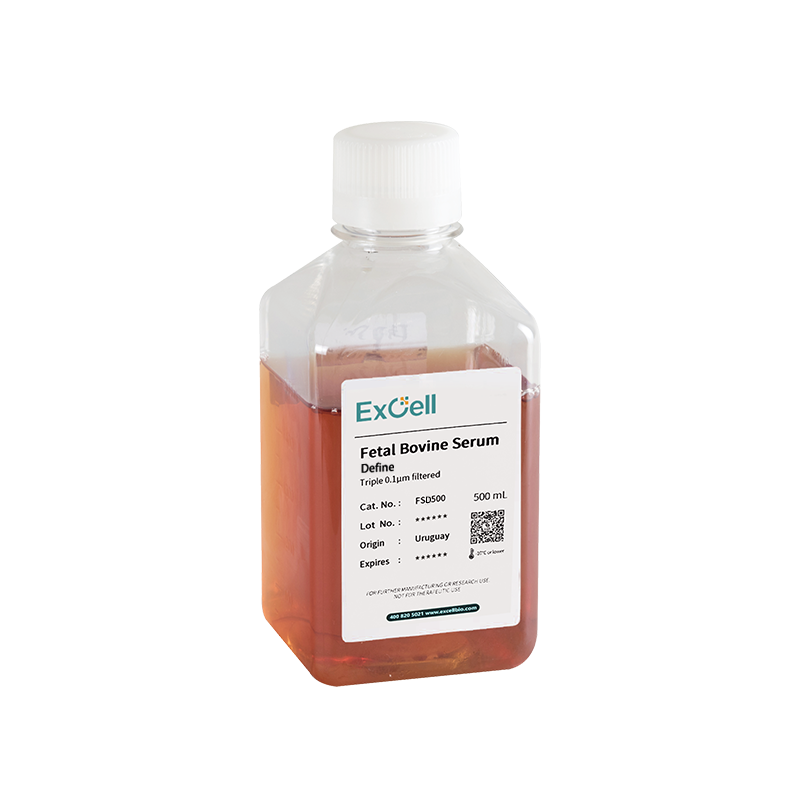
I remember a Monday morning in late March when half our culture racks went quiet — that gut-sink feeling you know too well in lab work. In that moment I was thinking about fetal bovine serum and the way a single bad lot can stop work cold; I had ordered a batch of bovine calf serum the week before and the data didn’t match the vendor’s sheet. We ran a quick viability check: primary fibroblasts showed a 28% drop in attachment in under 24 hours (numbers matter). So what do you do when your staple reagent becomes the weak link — swap vendors, switch to serum-free media, or try to rescue the run? (yep — that kind of Monday)
This piece comes from over 15 years of hands-on work in lab reagent supply and cell culture consulting. I’ll share what I’ve seen, the mistakes folks keep making, and practical checks you can use right away. Now, here’s the part that stings — a bad serum lot doesn’t just waste reagents; it costs time, grant hours, and trust. Let’s move on and dig beneath the obvious problems.
Where the Usual Fixes Fail — hidden pain points and real costs
We talk about switching suppliers like it’s a small thing, but that’s often not true. I once ordered two 500 mL bottles of heat-inactivated fetal serum from a new distributor in Houston on June 3, 2022. The paperwork looked fine; the cells told a different story: 40% lower proliferation in three days for our mesenchymal stem cell line. I lost a week of experiments and roughly $2,200 in reagents and kit replacements. That’s concrete — and it stings hard when you’re on a grant deadline.
Why the fixes don’t stick?
Three main flaws keep showing up: lot-to-lot variability, inadequate QC at smaller suppliers, and blind reliance on vendor certificates. Lot-to-lot variability is the big one — even modest shifts in growth factors or complement activity change how primary cells perform. Heat-inactivation helps reduce complement activity, but it doesn’t standardize growth factor levels. Folks assume passing a sterility test equals functional equivalence. It doesn’t. We also see procurement teams optimizing price per mL without testing performance on their specific cell lines. That short-term saving leads to wasted months later. I’ve seen labs switch to serum-free media with little piloting — it fails when cells expect specific serum-derived cues. Short version: the traditional, checklist approach to buying serum overlooks functional testing, and that’s where pain hides.
Forward-looking fixes and practical comparisons
We can be smarter about this — and I’m talking actionable changes you can make this week. First, add functional QC to your acceptance tests. Ask for a small sample or a lot-matched test vial and run a 3-day proliferation or attachment assay on your key cell line. Second, track batch performance metrics over time: viability at 24 and 72 hours, doubling time, and contamination checks. Those are simple, measurable numbers. Third, consider hybrid strategies — partial serum reduction, or validated serum-free transition kits tailored to your cell type. I’ve guided a regional core facility in Atlanta to adopt this three-prong approach; within two months they cut failed runs by 60% and trimmed re-order waste by nearly $4,500 annually.
Compare options honestly: buying cheap, untested serum might save $200 up front but can cost thousands in lost runs. Switching fully to serum-free media reduces variability but requires development time and often specific growth factors that raise per-plate cost. A middle path (lot testing + targeted serum-free formulations) often gives the best ROI. Look, I don’t sugarcoat procurement headaches — I’ve sat in those budget meetings — but measured steps beat panic changes every time.
Practical checks I use with lab managers
We now run a quick QC panel before accepting any new lot: endotoxin level, sterility, a 72-hour viability assay on our sentinel cell line, and a simple adhesion score. Keep a shared spreadsheet with lot numbers, vendor certificates, and your functional readouts. If a vendor can’t provide traceable source data — such as country of origin, collection methods, and pooling details — walk away. One specific detail: after a bad run in October 2021, I mandated that our preferred supplier include a lot-matched 10 mL test vial. That small rule prevented two subsequent failures in 2022.
What’s Next?
Future-facing labs should plan for two things: better supplier partnerships and staged serum reduction. Partner with suppliers who will share traceability and help with pilot runs (not every vendor will). Then run staged transitions to serum-free formulations with clear checkpoints — viability, phenotype markers, and functional assays — before fully switching. We did this at a university core in Raleigh over six months; the phased plan saved the core from a complete protocol rewrite and kept data continuity for long-term studies.
Three evaluation metrics I want you to use
When you evaluate serum options, score them on these three metrics: 1) Functional consistency — does the lot perform on your sentinel assay (score 1–10)? 2) Traceability — can the vendor show collection site, pooling strategy, and heat-inactivation details? 3) Total cost impact — not just price per mL but projected loss from failed runs (estimate dollars lost per failed experiment). Use a simple weighted score: functional consistency carries most weight. I promise — these metrics cut through supplier marketing and get to what matters in the bench results.
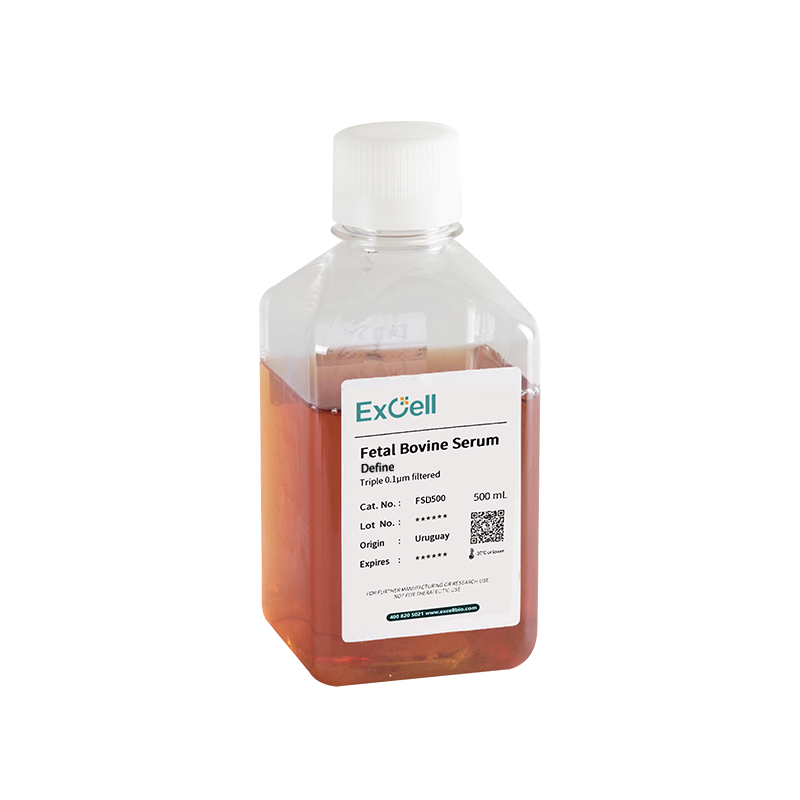
To wrap up — I’ve been the buyer, the consultant, and the frustrated lab lead. I prefer clear numbers over glossy certificates. Test first, track lots, and partner with suppliers who stand behind functional data. If you want a vendor to start with — check suppliers who provide lot-matched samples and transparent traceability; those are the ones that save you time and money in the long run. For trusted reagents and a partner who’s walked this road, consider ExCellBio.
