

A user-first opening: why this matters to you
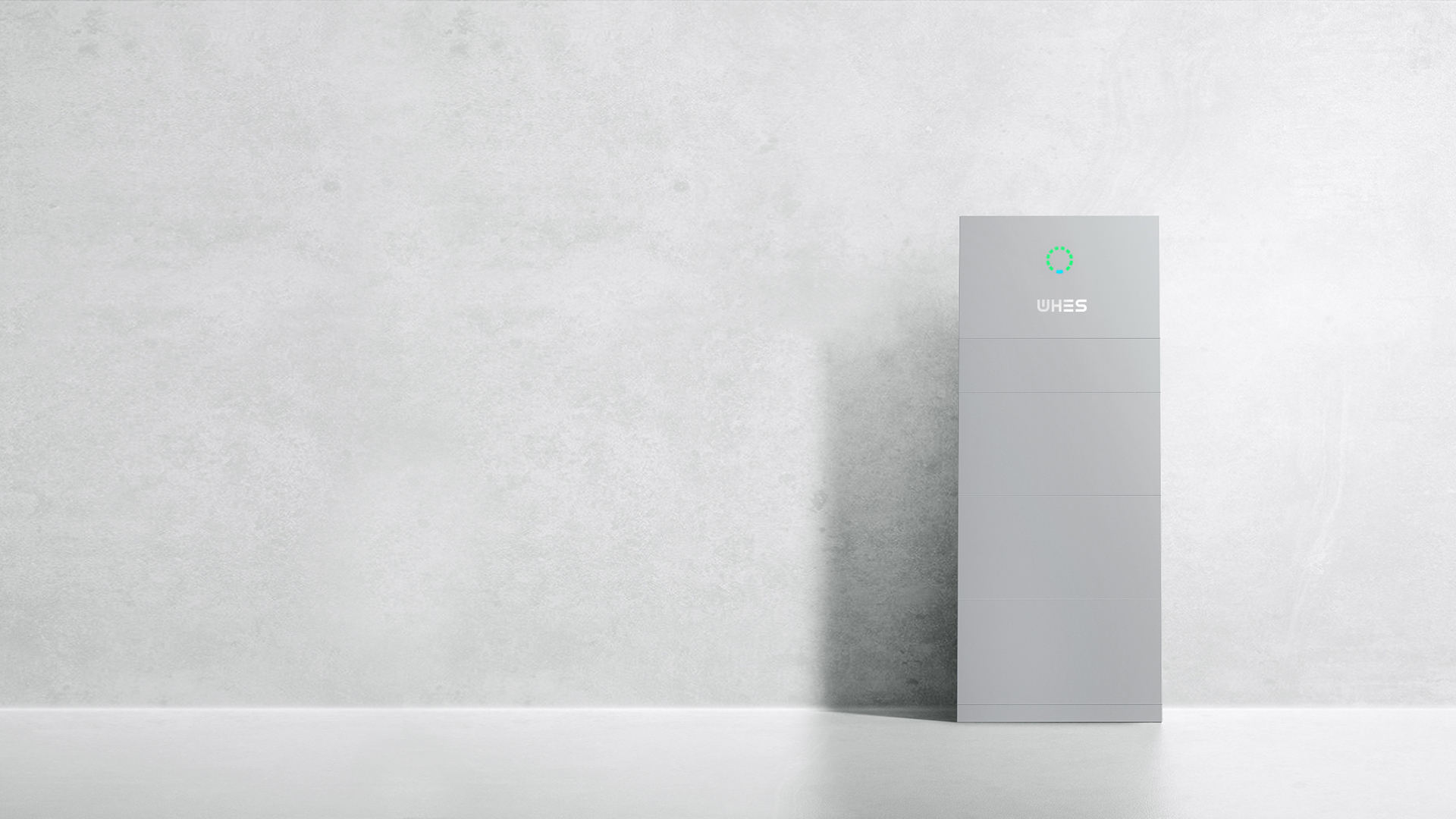
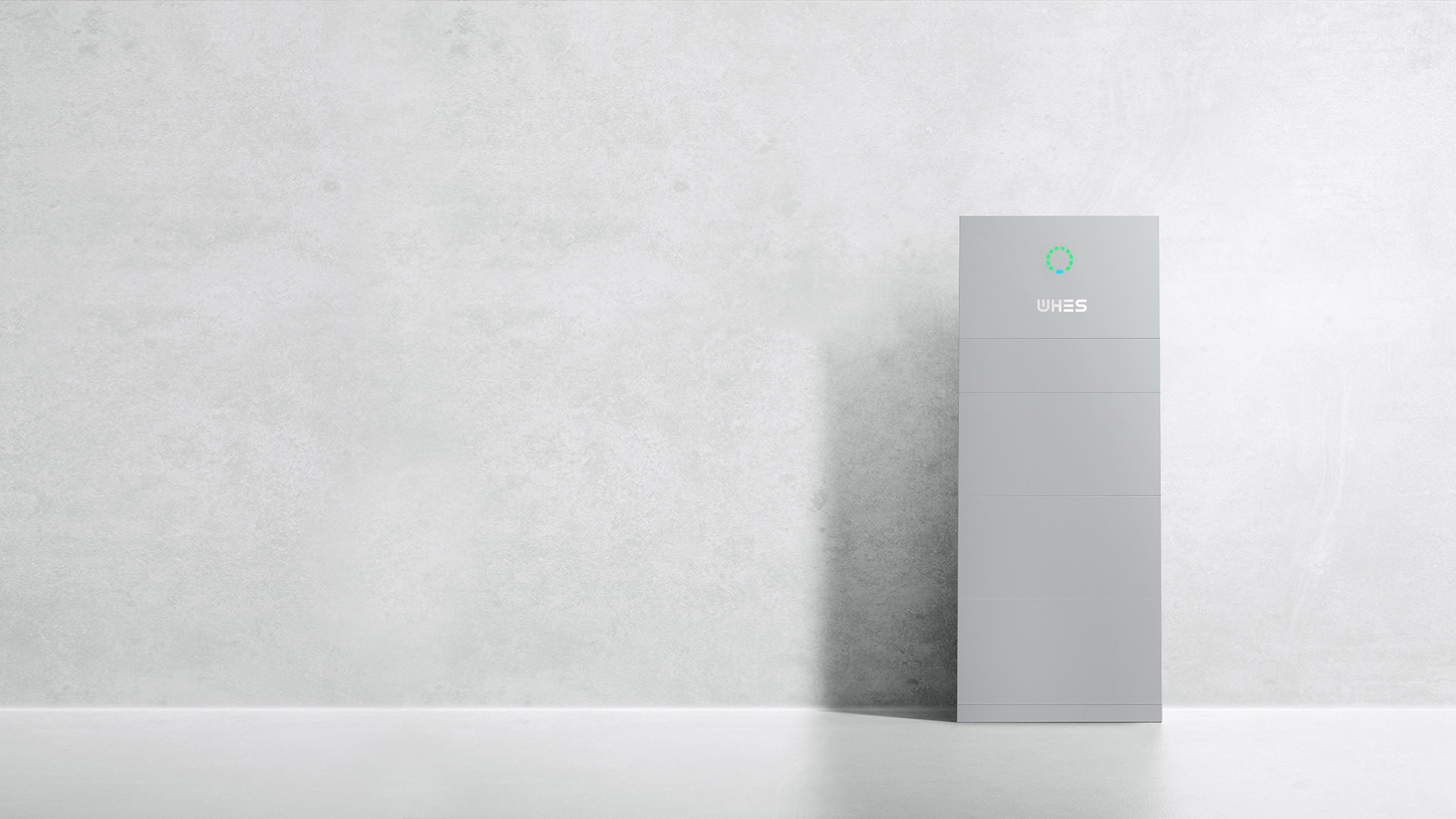
If you’re thinking about reliable backup power or wanting to run a tiny off‑grid setup, the hardware behind the scenes matters more than the glossy marketing. Modern power electronics — especially bi‑directional inverters — determine whether a home battery behaves like a helpful ally or an expensive paperweight. For many households the sweet spot is a system sized around a 10kwh battery storage, which balances daily cycling and emergency reserve without breaking the bank. Think of the inverter and controls as the translator between your solar panels, the battery, and the loads in your home — and you want a fluent one, yes?
Key components that change the experience
There are just a few technical pieces you need to know to make a smart choice:
- Bi‑directional inverter — routes power both to the grid (or loads) and back to the battery; essential for charging and discharging control.
- Battery management system (BMS) — protects cells, manages state of charge, and prolongs life.
- Round‑trip efficiency and depth of discharge (DoD) — these affect how much usable energy you actually get from a system over time.
When these elements are well matched you get smoother switchover during outages, better cycling performance, and clearer expectations for lifetime — and that’s the kind of simple outcome most people want.
Real-world anchor: why people started paying attention
Look at the February 2021 Texas winter storm — millions faced long outages and many households began to ask why backups weren’t more dependable. That event pushed rooftop solar owners and installers to rethink not just batteries, but how inverters handle islanding, surge loads, and extended discharge. In short: the crisis showed that a battery without capable power electronics is a half‑solution. That’s why systems optimized for residential use — including some single‑phase approaches — gained traction worldwide.
Choosing the right topology for your home
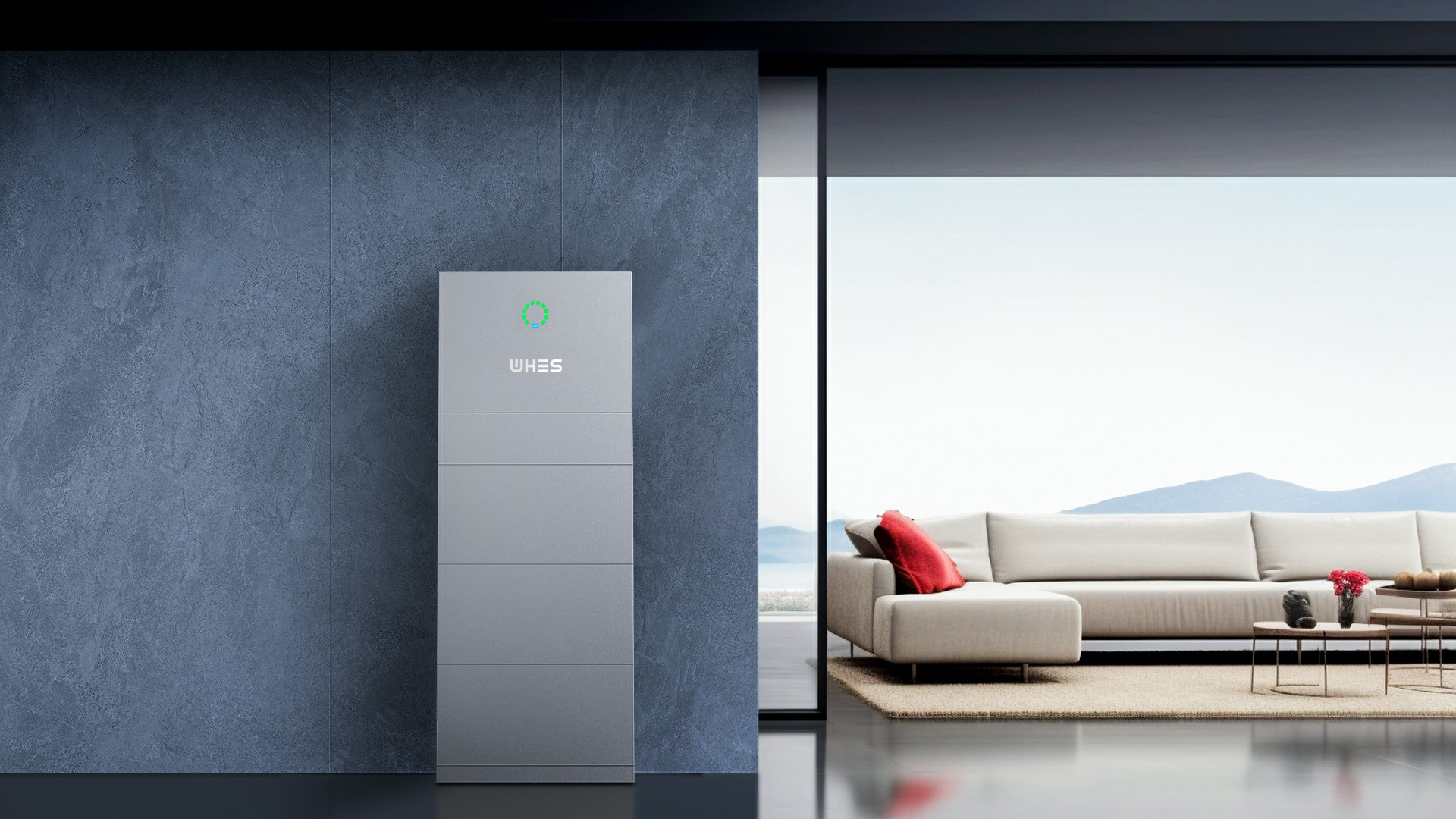
For most single‑family homes the single phase architecture is the practical choice: easier installation, compatible with standard household distribution, and usually less costly. If you want to see a ready example, look at a single phase battery product line — they’re engineered to balance inverter capability and battery sizing for typical loads.
Common decision points:
- Daily cycling vs. emergency-only use — daily time‑shifting prefers higher cycle life and good round‑trip efficiency.
- Surge capacity — can the inverter run your fridge, pump, or well during an outage?
- Scalability — will you add panels or a larger battery later?
Operational considerations and common mistakes
Installers and homeowners often trip over the same issues. First, undersizing the inverter for startup currents leads to frustrating trips. Second, ignoring BMS communication protocols creates mismatch between charger, inverter, and cells. Third, over‑optimistic assumptions about battery DoD and calendar life can ruin your return on investment.
— Don’t skip a commissioning test with real loads. A bench test is not the same as kitchen appliances running in the middle of the night.
Comparing options: what to weigh
When you look at products, compare along three pragmatic axes:
- Performance: round‑trip efficiency, continuous and peak inverter rating.
- Durability: warranty terms, cycle rating, and degradation curves.
- Integration: communications (CAN, RS‑485, or Ethernet), compatibility with your PV inverter, and whether it supports grid‑forming operation for true off‑grid use.
For many users a compact 10kwh battery storage paired with a capable bi‑directional inverter delivers a balance of emergency energy and daily savings — but if your home has heavy three‑phase loads, you’ll need a different approach.
Three golden rules for selecting a system (advisory close)
Here are three practical metrics you should use as your decision filter:
- Effective usable capacity — not the headline kWh, but the kWh you can safely use per cycle (account for DoD and recommended reserve).
- Real inverter capability — check continuous watts, peak surge, and whether it’s grid‑forming; these determine what you can actually run during an outage.
- Lifecycle economics — combine cycle life, warranty years, and round‑trip efficiency into a simple cost‑per‑usable‑kWh over the warranty period.
These three metrics keep the conversation practical and tie equipment specs to everyday outcomes — reliability, cost, and usability.
For real homes in real conditions, the right mix of modern power electronics and a well‑matched battery is what turns promises into steady lights and hot water; that’s where brands like WHES slot neatly into the picture — tested systems designed for the way people actually live. —
