

Introduction: A Small Factory Moment, Big Data, Big Question
I remember the day like a scene from a busy kitchen — machines humming, people moving, and one roll that refused to behave. By lunchtime we had run six test batches and logged defect rates climbing from 2% to nearly 8% on the same machine. Wet wipe machinery was at the center of it all, and I felt both frustrated and curious. (You know that warm, hands-on worry — the kind that wakes you up at 3 a.m.)
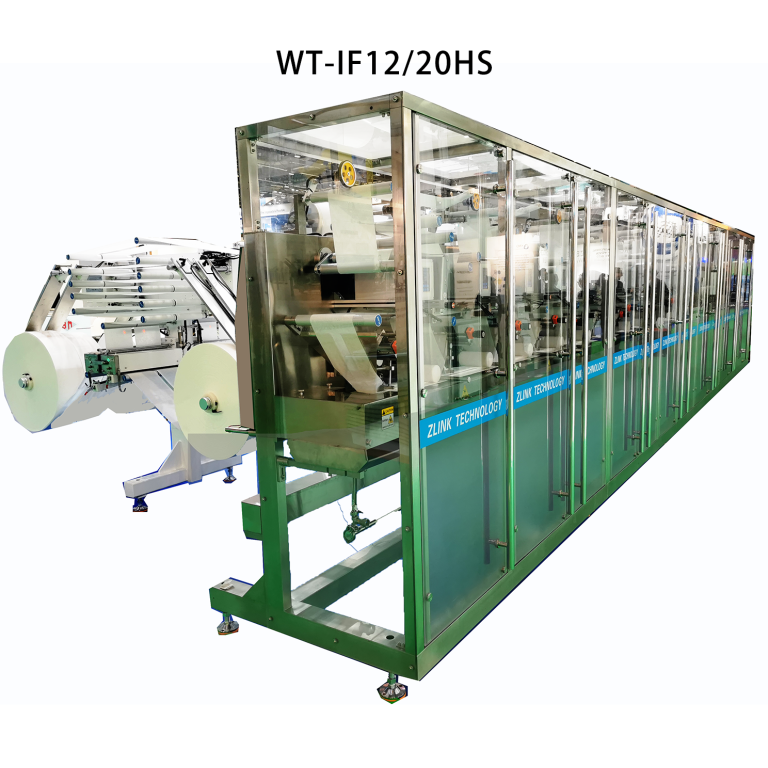
Data told us the problem wasn’t the fabric. It wasn’t even the solution mix. It was the line: inconsistent tension, odd web breaks, and poor sealing. So I asked myself: how do I design a system that makes sense for the team on the floor, not just the specs on paper? This article follows what I learned — practical steps, clear trade-offs, and a human take on automation. We start with where the usual setups fall short and move toward smarter choices. — Let’s go deeper.
Part 2 — The Hidden Flaws in Traditional Lines (Technical View)
custom wet wipe production line — when I say that, I mean a line tuned to your product, your staff, and your shift rhythms. Too often, standard setups rely on one-size-fits-all PLC recipes and heavy-handed rewind tension that assume perfect inputs. In reality, raw roll width varies, laminates shift, and operators differ. I’ve seen servo motor feedback ignored, and operators left to “babysit” the machine more than to run it. That’s not efficiency; it’s brittle work.
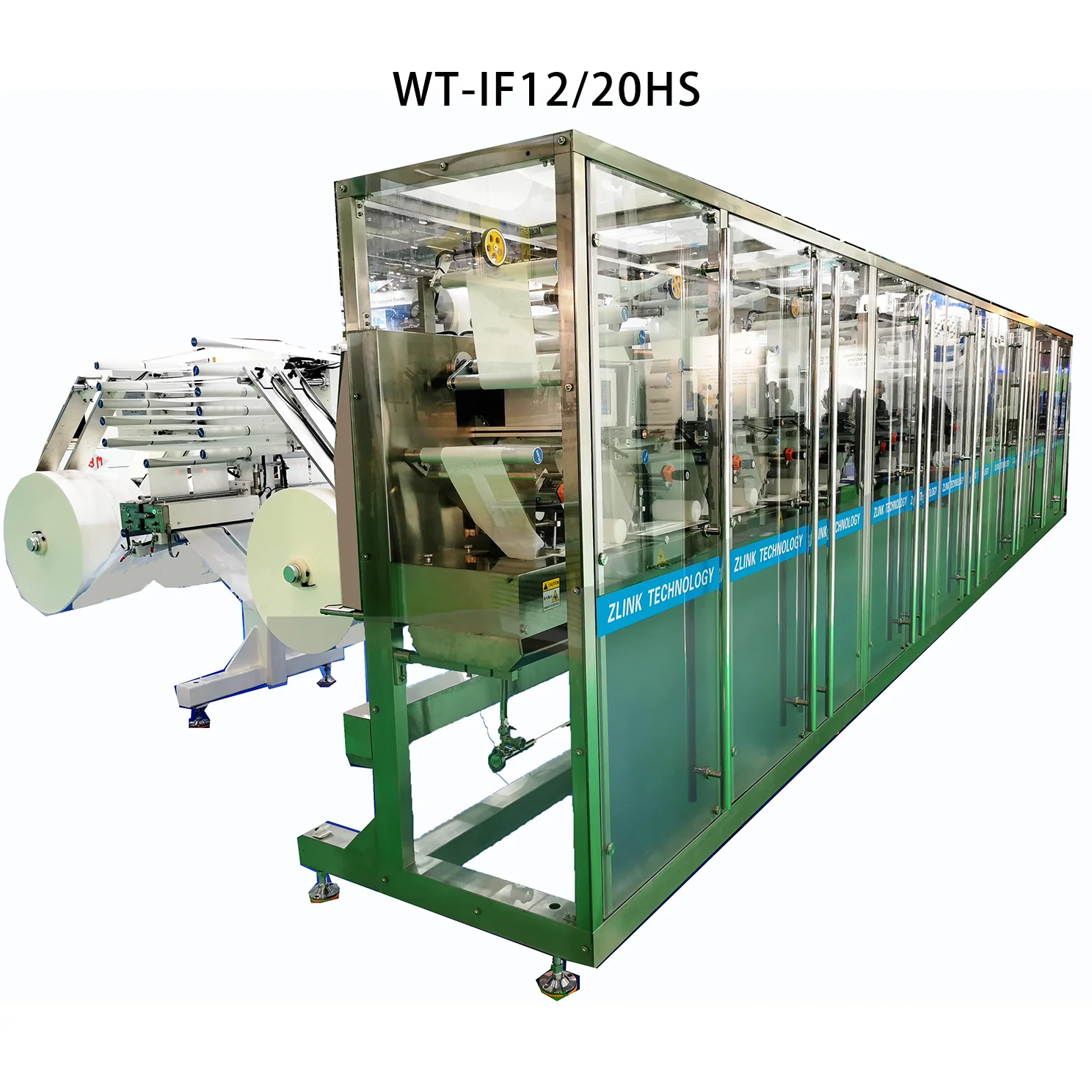
Why does this happen? Many designers focus on cycle speed and installed power converters while skimping on web handling. The lamination roller, air knife, and edge detection systems often lack adaptive control. Result: frequent jams, uneven wetting, and inconsistent cut counts. Look, it’s simpler than you think — small sensors plus layered control logic reduce these failures. We need to treat control architecture and human factors as equals. — funny how that works, right?
What specific faults show up most?
Broken edges, poor seal lines, and off-count packaging. Those are the symptoms. The cause is usually mismatched tension control, improper servo tuning, or a lack of real-time feedback (no edge computing nodes, no live KPIs). Fix the root and the symptoms fade. I recommend starting with simple diagnostics: log the PLC alarms, measure web speed variance, and watch the operator handoffs.
Part 3 — New Principles and a Forward Look
Moving forward, I focus on three principles for a future-ready custom wet wipe production line: adaptive control, modular design, and human-centered interfaces. Adaptive control means using sensor fusion — combining optical edge sensors, tension feedback, and occasional vision checks — so the line learns small shifts and corrects them. Modular design lets you swap a lamination module or a sealing head without rewiring the whole plant. Human-centered interfaces keep operators in the loop with clear prompts and one-touch overrides. These ideas cut downtime and make maintenance predictable.
Technically, that means adding modest compute at the line edge (edge computing nodes), better servo tuning, and standardized I/O. It also means thinking about spare parts: keep an extra seal bar and a calibrated air knife nozzle on hand. You’ll save hours. And—yes—this takes effort up front. But the payoff shows in stable yields and calmer shifts.
What’s Next — Practical Steps
Start with a pilot: tune tension loops on a single module, add a camera for seal inspection, and measure results for a month. Then scale. Expect two types of gains: fewer unplanned stops and faster recovery when they happen. In short, invest in control quality and operator tools, not only in raw line speed.
To wrap up, here are three evaluation metrics I use when choosing or upgrading a line: 1) Mean Time Between Web Breaks (MTBWB) — the higher, the better. 2) First-pass Yield for pack and seal — aim for >97% before packaging. 3) Operator Intervention Rate per shift — lower is better, but keep simple manual overrides. Use these to compare vendors and validate improvements.
I’ve written this from the shop floor and the office. I like clean data and real people. If you want a practical partner that understands both — try to speak with someone who has rebuilt lines, not just sold them. For guidance and equipment that balances control and usability, I turn to teams like ZLINK. They get the human side of automation.
