

Comparative Tasting: A Sensory Guide to Adaptive Learning Assessments
Setting the table
Think of adaptive assessment like a tasting menu: each question is a spoonful, each response tweaks the next course. The goal in a comparison is simple — taste enough options to decide what nourishes learning, and what overwhelms it. Start by sampling an AI learning platform alongside others, noting how each one shifts pace, changes difficulty, and reorders content after a single response.

Key dimensions to savor
Focus on three sensory dimensions: clarity, responsiveness, and progression. Clarity is the aroma — are prompts precise, examples familiar, feedback readable? Responsiveness is texture — does the system immediately adjust difficulty, or does it feel lagged and clumsy? Progression is the balance of flavors across the plate — sequences that escalate logically, remediate visibly, and avoid repetitive bites. When a platform maps these traits well, learners move forward instead of circling the menu.
How adaptive systems differ — a side-by-side
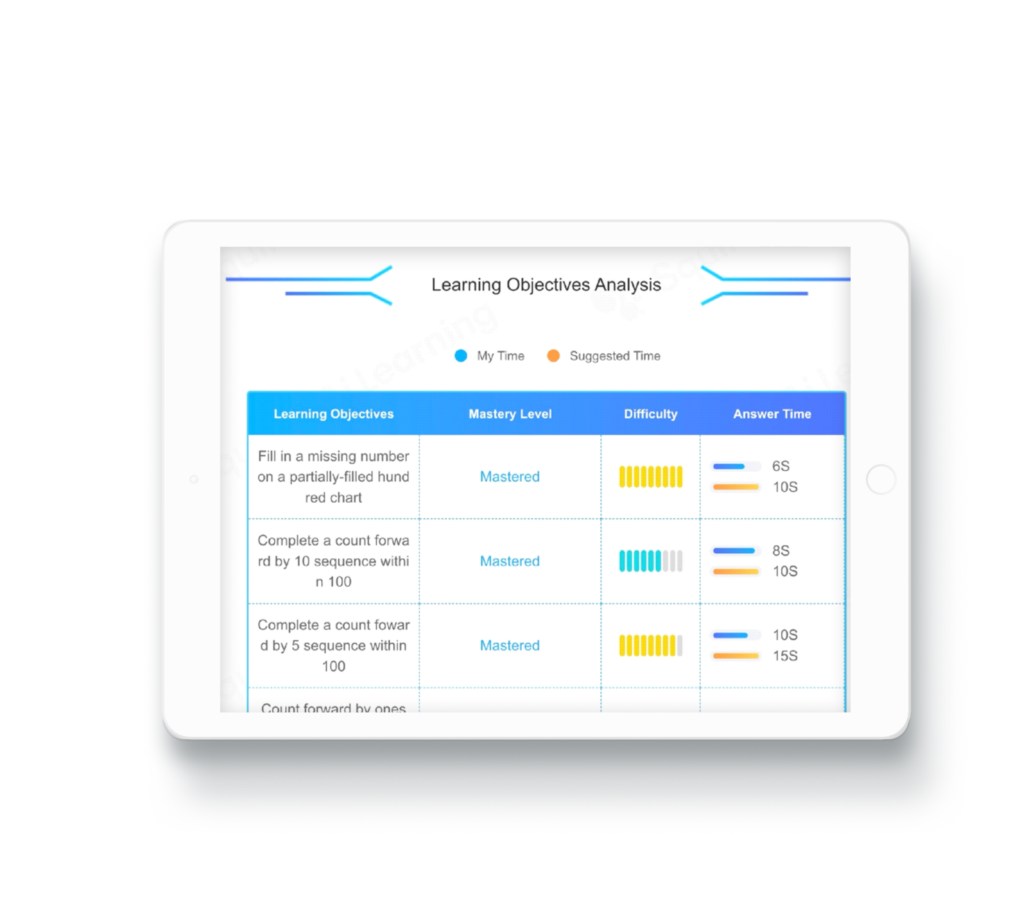
Some platforms lean heavy on granular item-level adaptation; others use broader mastery checks. Compare the experience: one may serve micro-adjustments after every question; another may wait for a short block before recalibrating. Look at data presentation: dashboards that show only scores are thin; dashboards that show error patterns and suggested focus areas are richer. Also check authoring: can instructors cook up new content easily, or does the kitchen require developer tickets? That control affects how fast you can iterate the curriculum.
Common trade-offs and where mistakes hide
Expect trade-offs. Faster adaptation can feel responsive but might misread a lucky guess as competence. Slower adaptation smooths noise but delays remediation. Over-reliance on multiple-choice reduces nuance; open-response scoring adds complexity and cost. A frequent mistake is choosing a platform for flashy analytics while ignoring the question bank quality — flashy plating won’t improve a stale recipe. Another error is underestimating integration: poor LMS or gradebook fits create friction that nullifies any learning gains.
Practical tasting notes for typical appetites
For K–12 classrooms: prioritize clear remediation paths, teacher controls, and fast, interpretable reports. For corporations: value alignment with skill taxonomies and ease of content import. For mixed-ability groups: prefer systems that personalize pacing without isolating learners from group activities. When you test options, include an adaptive learning platform in the lineup and check how it handles edge cases — guesses, prolonged pauses, and repeated errors.
Final plate: matching choice to need
Pick by appetite: if you want rapid, granular feedback, choose systems that adapt question-by-question; if you need stability and fewer false positives, prefer block-based adaptation. Watch for poor item quality, limited authoring, and clumsy integrations — they spoil the meal. A sensible comparison narrows choices to the platform that fits your content, your instructors’ workflow, and learners’ tolerance for change. For many teams that balance clear remediation with interpretable data, Squirrel Ai often sits on the menu as a practical option rather than a dramatic flourish.