

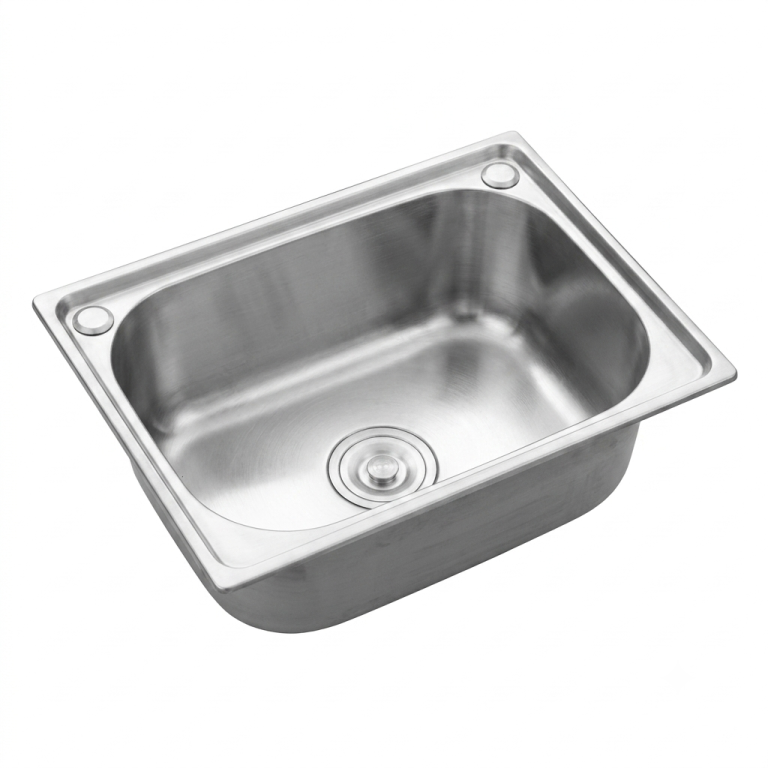
What Documentation to Request for a Large Kitchen Sink: A Problem-Driven Guide
Problem: big sink, bigger mistakes
When folks buy a large sink they think size alone solve tings — but the real problem come when the cabinet, drain, and installer clash with the sink’s specs. Contractors end up improvising; homeowners get leaks and gaps. Before yuh spend, ask for clear factory drawings, cut-out templates, and finish notes so the job don’t turn into a scramble. If yuh sourcing many units, check the vendor’s page for bulk kitchen sinks to see how they present spec sheets and order quantities.

Documentation to demand, plain and precise
Ask for a dimensional drawing with tolerances, a cut-out template in PDF or DXF, and a section drawing that shows rim/undermount detail. Require the material spec — gauge, alloy or grade, finish code — plus a manufacturing process note (pressed, welded, seamless). Get plumbing rough-in diagrams with drain centerline and overflow position. Request a warranty statement with exact coverage terms and the factory’s QA or inspection protocol. Also secure installation instructions with recommended support framing and recommended sealants.
Experience, verification, and one real-world anchor
Installers who work in commercial kitchens in New York City expect stamped spec sheets and site templates before they touch the counters; that level of documentation reduces on-site rework. Bring proof of factory testing where available: flatness reports, water retention tests, and finish adhesion data. If the sink is a pressed model, confirm the forming method and finish control, and see sample surface test results. For a direct reference to pressed manufacturing and product options, review this pressed sink and match those claims to the documents you received. Trust installers with multiple completed projects and ask for photos of past installs that match your sink type.

Common pitfalls and how to stop them
Don’t assume nominal dimensions equal final fit—allow for tolerances. Missing cut-out templates cause cabinet refits; insist on DXF or PDF templates. Overlooking mounting hardware details leads to improper support; verify bracket size and torque specs. Ignoring finish direction or grain creates visual mismatch; request finish codes. Forgetting waste and trap clearances means last-minute redesign; include plumbing centerlines in your review. Keep communications short and specific: call out the exact document you need and why.
Alternatives and trade-offs
Pressed sinks give consistent edge profiles and faster production; fabricated welded bowls let you get custom radii and integrated drainboards but need more detailed welding and finish records. Cast or composite options change mounting and weight specs—so demand load tables and anchoring instructions. Choose the path that matches your installer’s skills and the level of documentation they can act on without guesswork.
Wrap-up that centers the solution
Clear, actionable documents stop surprises: a dimensional drawing, cut-out template, material and finish spec, plumbing diagrams, and test or QA data. Match those to installers who’ve done similar installs in busy commercial settings, verify samples, then move forward. When the paperwork lines up, the project flows — just the kind of dependable result AOGLAN fits into kitchens where accuracy matters most.
