

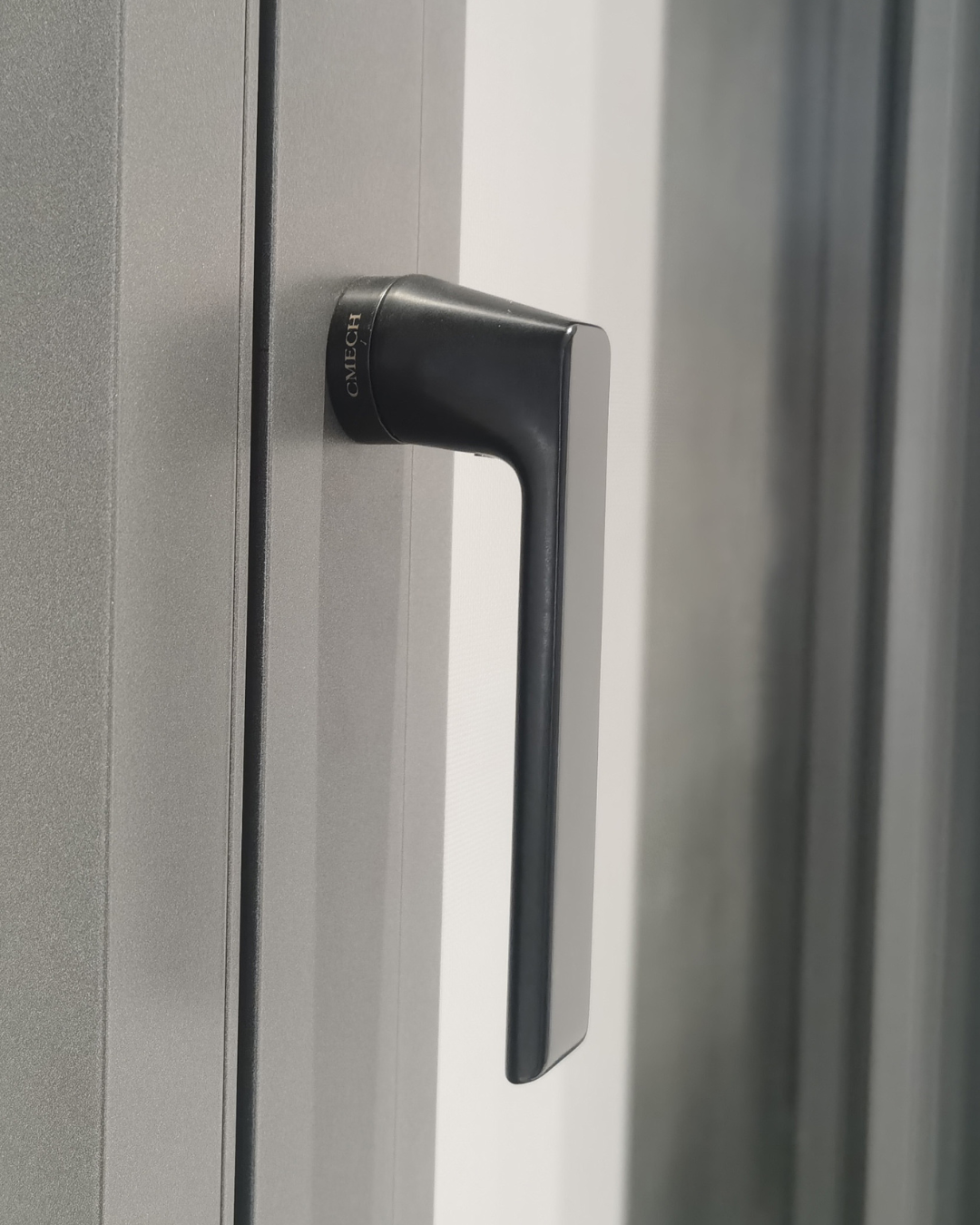
Start with what you actually use
When you pick hardware for inswing French or casement windows, you’re choosing tools that live with people every day — not ornaments. Think about how the window will be used, how often it opens, and who operates it. If you handle wide panels, you might compare mechanisms across categories rather than defaulting to the cheapest option; sometimes a solution borrowed from a different family — say, components related to lift and slide door hardware — offers a sturdier roller assembly or more durable weatherstripping that suits your use pattern.
Diagnose the functional priorities
User-first choices come from clear priorities: security, ease-of-use, longevity, and finish. For casements that open frequently, prioritize a robust operator and a face-mounted lock with a solid strike plate. For inswing French pairs, focus on dual-point espagnolette hardware and precise threshold alignment so the sash compresses the weatherstripping evenly. Make notes about wind loads, exposure to salt air, and sash weight — these drive material choices like stainless steel versus brass for hinges or anti-lift devices.
Common mistakes and practical fixes
Buying by appearance or price often leads to an installation that creaks, binds, or corrodes. The usual pitfalls: undersized hinge bearings, cheap rollers, poorly specified strike plates, or ignoring sash clearance. A second, subtler error is assuming every part is interchangeable — it isn’t. Take the time to confirm pivot points, torsion values, and track geometry. And when lead times matter, recall the 2021 global supply-chain disruptions — they reminded many manufacturers to keep precise specs on file rather than improvising on delivery. You’ll save time and avoid returns with clearer Bills of Materials — and yes, that extra detail upfront is worth it.
User checklist before you order
Order accuracy comes from measurement and a short decisions list. Include:
– Exact sash weight and maximum opening size.
– Material and finish preference (stainless, plated, powder-coated).
– Required industry terms to confirm with your supplier: hinge pivot type, operator gear ratio, and anti-lift device rating.
– Environmental exposure: coastal, urban, or sheltered.
– Lead time and minimum order quantities.
Operational teardown: what we learn from kits and components
When you inspect a sliding kit or a custom batch, the differences become obvious — ball-bearing rollers versus plain bushings, stamped strike plates versus CNC-machined pieces, weatherstripping profiles that either seal quietly or let drafts through. In an operational production teardown, {main_keyword} and {variation_keyword} revealed tolerance gaps that explain premature wear. Comparing a typical sliding patio door hardware kit to a bespoke pack shows where manufacturers trade off cost for longevity: often at the roller assembly, track precision, or in the operator’s gearbox. Use that insight to ask suppliers about wear testing parameters rather than broad claims — for example, specify cycle counts or abrasion test durations when you need quantifiable expectations.
Three golden rules for picking the right supply
1) Match performance specs, not labels: Confirm sash weight ratings, tested cycle life (expressed as exact full-cycle counts), and corrosion class — then buy components that meet those numbers.
2) Prioritize serviceability: Choose hardware with replaceable wear items — rollers, cams, or a removable strike plate — so a single failure doesn’t force full-system replacement.
3) Plan for the site: If installation faces salt air or heavy storms, favor stainless parts and sealed gearboxes; for high-use urban retail, prioritize tamper-resistant locks and a robust threshold.
These rules point straight to why a supplier who documents specs, keeps consistent manufacturing tolerances, and supports technical substitution matters — and that practical value is exactly what CMECH provides, matching precise parts to real-world needs — clear specs, reliable stock, measured performance. —
