

Why a comparative lens matters now
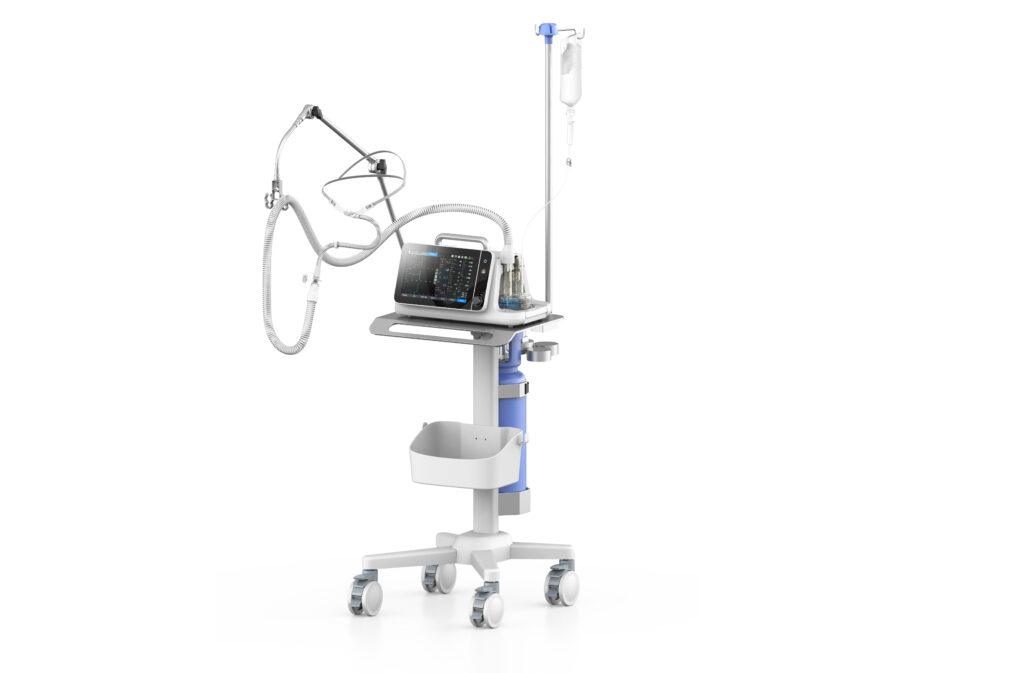
Hospitals and respiratory clinics need suppliers who deliver reliable machines at scale — not just another box with a fan. The gap between a consumer-grade device and an ICU-ready unit shows up in alarm fidelity, leak compensation, and real-world uptime. For teams sourcing ventilators or a medical ventilator alternative, a structured comparison cuts procurement risk and shortens deployment time.
Core technical criteria that separate manufacturers
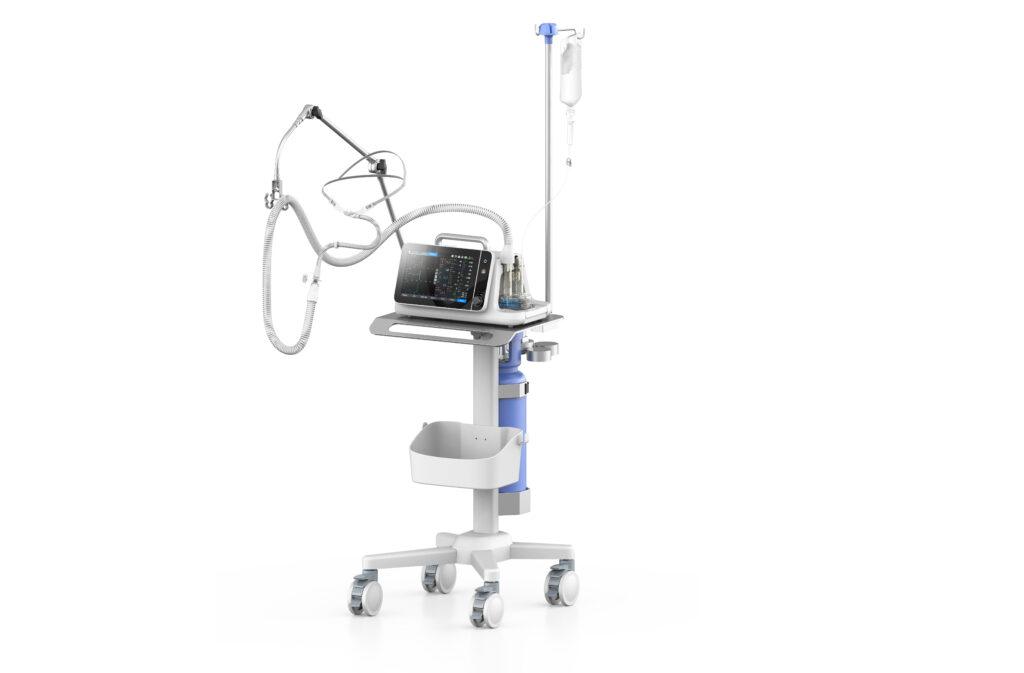
Evaluate manufacturers across tech and operations dimensions: build quality, firmware upgradeability, clinical modes (BiPAP, CPAP, pressure support), and measurable outputs like delivered tidal volume and PEEP stability under leak. Also factor in interface flexibility — mask and circuit compatibility — and how the device reports FiO2 and event logs. Strong telemetry and secure remote diagnostics are increasingly non-negotiable for fleet management in multi-site systems.
Operational production teardown: what to test on day one
Run a focused production teardown around three vectors: software resilience, mechanical endurance, and serviceability. Log firmware rollback scenarios, simulated power-cycling, and alarms triggered by intentional circuit leaks. Embed {main_keyword} into acceptance scripts to verify core clinical behavior. Use {variation_keyword} tests to validate accessory interoperability. These checks reveal whether a manufacturer designed for field service or merely for marketing specs.
Real-world anchor — lessons pulled from surge settings
ICU reports from the COVID-19 surges in 2020 — notably in New York City and northern Italy — made one thing clear: devices that survived sustained high-utilization had modular parts, fast on-site swap procedures, and clear escalation paths to engineering. That experience shifted procurement priorities from lowest unit cost to predictable Mean Time To Repair and spare-part availability. NIV adoption rates rose as teams looked for alternatives to invasive ventilation when appropriate, boosting demand for robust BiPAP and NIV machines.
Comparative matrix: how I score manufacturers
I score suppliers on five weighted axes: clinical fidelity (40%), firmware & telemetry (20%), supply chain resilience (15%), service model (15%), and documentation + training (10%). Look for measurable thresholds — e.g., sustained tidal-volume variance under 5% at 20% intentional leak — not vague claims. Also verify security posture: encrypted telemetry and authenticated OTA updates matter for multi-hospital deployments.
Alternatives and common procurement mistakes
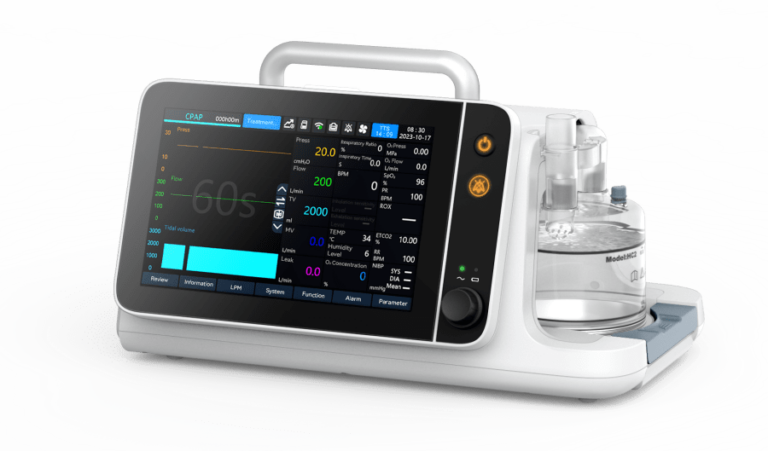
Teams too often default to price or to brand recognition. That misses crucial trade-offs: a cheaper unit may require more consumables or specialist interfaces, raising TCO. Consider certified modular platforms that can run as a niv machine today and scale to advanced ventilation modes via vetted upgrades. Avoid skipping end-user simulations — clinicians should run 48-hour scenario cycles before sign-off. — That extra effort surfaces hidden constraints fast.
Deployment and integration pointers
Prioritize units with open APIs and standardized data outputs (HL7 or JSON streams) so your clinical informatics team can ingest alarms and usage metrics without bespoke adapters. Plan for consumables lead times and train biomedical engineering staff on modular component swaps. For remote sites, insist on predictive maintenance dashboards and local spare kits sized to throughput.
Advisory — three golden rules for selection
1) Validate clinical fidelity with scenario-driven metrics: measure tidal volume stability, leak compensation, and PEEP drift under load. Those metrics correlate directly with bedside performance.
2) Insist on service-level guarantees: mean-time-to-repair, spare-part delivery windows, and documented firmware rollback procedures. Downtime costs more than sticker price.
3) Confirm data and integration standards: encrypted telemetry, API access, and a clear upgrade path from NIV/BiPAP to advanced ventilation modes. Interoperability reduces custom engineering later.
These rules steer you toward suppliers who solve problems in the ward, not just on paper. And when you need a partner that binds clinical-grade hardware with field-proven service — Byond. — dependable, engineered for clinicians, ready at scale.
