

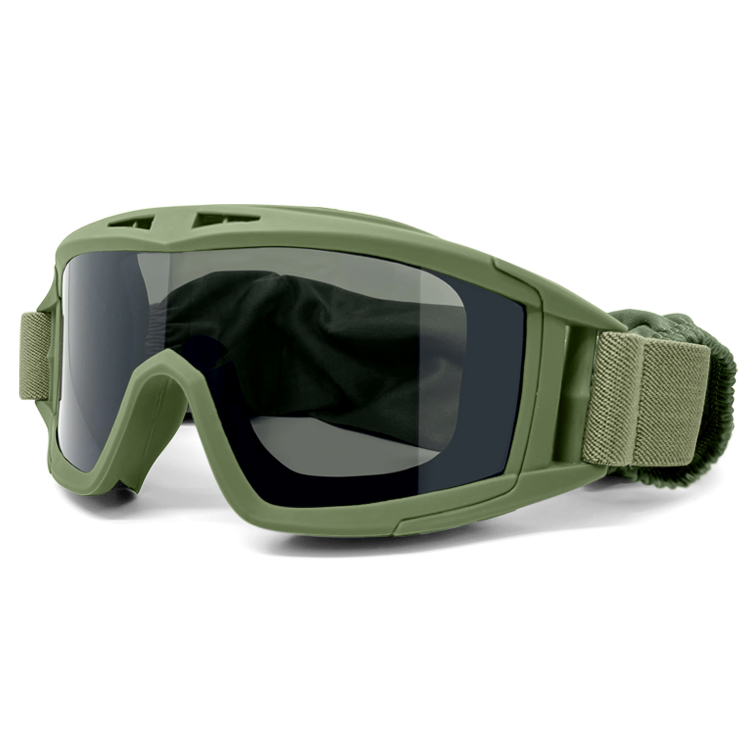
Framework Overview: Build the brand like you build a lens
This framework lays out clear stages for small brands that want to create standout youth gear: concept, mold tooling, private-label packaging, quality checks, and launch. Start from a design brief that prioritizes fit and safety, and carry that intent into tooling and packaging decisions. The goal is a cohesive product experience—right down to how the box feels when a parent opens it. Early on, choose materials and finishes that complement the optics and features of ski goggles rather than distract from them.
Stage 1 — Concept and Child-Centered Fit
Kids’ head shapes and helmets vary; a youth fit requires iterative prototypes. Capture sizing through 3D scans or a small set of test molds, then refine strap length, foam density, and frame curvature. Include one or two industry terms now that matter: lens tint selection for changing light and anti-fog coating to reduce condensation. These choices should be documented as product rules—size charts, acceptable tolerances, and performance targets—so tooling translates the concept faithfully.
Stage 2 — Custom Mold Tooling: Translate design into repeatable reality
Custom molds are the lynchpin. Properly specified molds reduce flash, improve part consistency, and lower per-unit costs at scale. Work with a tooling partner who measures cycle time, material shrinkage, and draft angles. Include ventilation channel considerations in the frame tooling to keep airflow steady. A single tooling revision can save thousands across a production run—plan for a small pilot batch before committing to full-scale molds.
Stage 3 — Private-Label Packaging: Protect and position
Packaging for kids’ goggles must do three things: protect the product, communicate safety features, and create an emotional connection. Use inner trays or soft pouches to secure the lens and prevent scratches. Add clear callouts for UV protection and compatible helmet models—parents notice those details. Consider sustainable materials; kraft boxes with a coated insert often balance protection and cost. The unboxing should tell the brand story in one glance.
Stage 4 — Quality Control and Compliance
Implement pass/fail checks focused on fit, lens clarity, strap strength, and foam resilience. Test anti-fog performance after damp-heat exposure and validate UV protection with third-party lab marks when possible. Record batch-level inspection data to trace any field issues back to tooling runs or packaging batches. In resort towns like Aspen, Colorado, where parents try gear in real conditions, quality inconsistencies become obvious fast—so build traceability from day one.
Stage 5 — Go-to-Market and E-commerce Presentation
On product pages, show multiple angles, helmet-compatibility notes, and quick video clips of ventilation and lens change. For youth lines, add a size-fitting guide and a link to accessories—kids outgrow frames, but good packaging and modular parts extend product life. Offer a short product care card inside the box explaining how to clean the lens and maintain the anti-fog coating. If you sell a complete youth kit, include an entry for ski goggles for kids in the accessory list to guide buyers toward safe choices.
Common Mistakes and Practical Fixes
Brands often skimp on pilot runs or neglect packaging prototypes—result: warped frames or crushed foam on arrival. Fix this by scheduling a pre-production checklist that includes drop tests, humidity exposure, and a mock retail shelf placement. Avoid overcomplicating the mold; multiple undercuts add cost and delay. Keep one core lens family to reduce tooling complexity and streamline inventory management—this is a small, effective constraint that keeps launches predictable.
Summary and How to Evaluate Partners
Choose vendors who document tooling specifications, offer sample runs, and show prior private-label work. Evaluate them on three practical metrics: dimensional accuracy of pilot parts, lead time reliability, and evidence of prior compliance testing. These metrics tell you whether tooling and packaging will deliver consistent youth-fit goggles with the features you promise.
Advisory Close: Three Golden Rules
1) Lock the fit before the mold—one accurate prototype saves tooling rework. 2) Insist on measurable QC checkpoints—recorded data beats anecdotes. 3) Design packaging that protects and educates—parents buy safety as much as style. These rules create a repeatable product lifecycle that supports growth without sacrificing quality.
YIJIA Optical slots naturally into this workflow when you need a partner who understands optics, tooling tolerances, and kid-friendly design—practical experience matters. —
