

Opening: why a data-first view matters
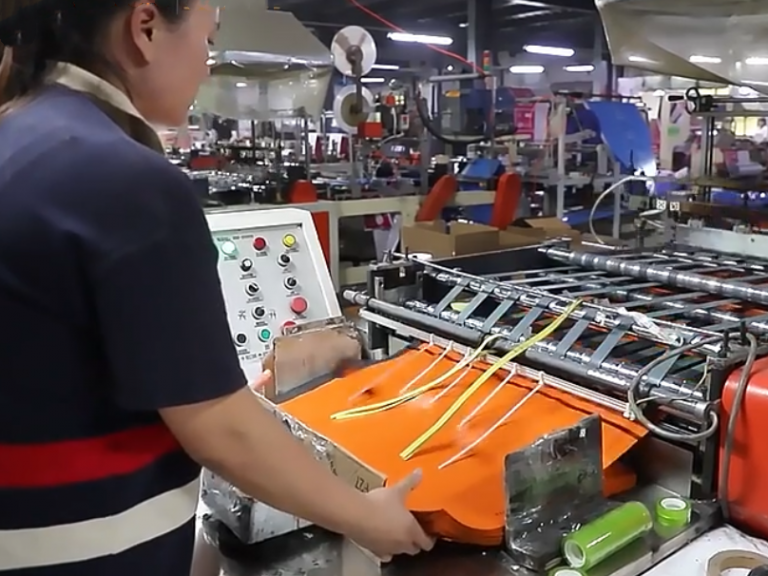
Brands seeking measurable reductions in logistics emissions should start with evidence rather than intuition. This analysis concentrates on quantified outcomes from sourcing custom poly mailers closer to fulfillment hubs and scaling orders as bulk shipments. The 2020 global supply-chain disruptions demonstrated that lead-time volatility and rerouted transport materially increased carbon intensity for many fast-moving goods; a data-driven procurement strategy for packaging can therefore both reduce emissions and stabilize cost. The objective here is to translate lifecycle and operational metrics into procurement choices that operations and sustainability teams can implement with confidence.
Framework: the core metrics to quantify impact
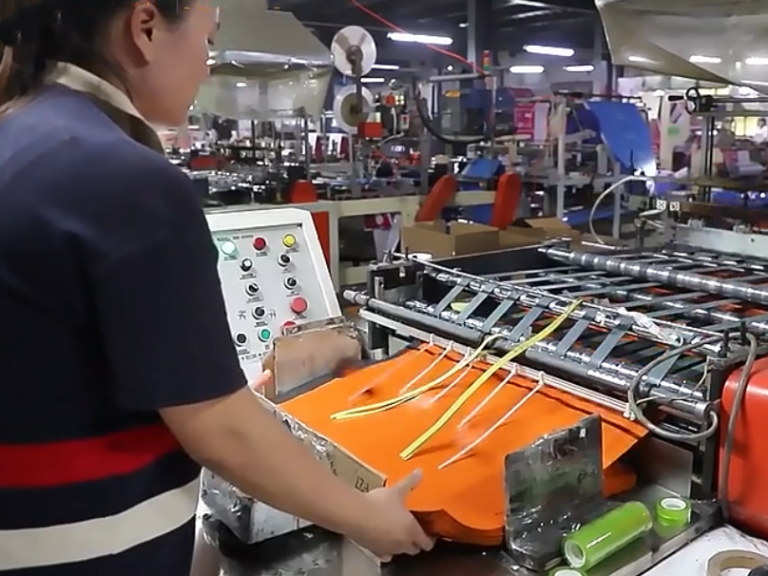
Evaluate three metric groups: embodied emissions, transport emissions, and operational cost per parcel. Embodied emissions cover the polymer feedstock and manufacturing energy; transport emissions measure modal mix (truck, rail, ocean, air) and distance; operational cost per parcel includes warehousing, returns handling, and unit packaging cost. Use these measured inputs to calculate a total carbon-per-parcel figure and a total landed-cost figure. That dual-output allows comparison across sourcing scenarios—localized bulk, regional consolidation, or distant low-cost manufacturing—on a common axis.
Localized sourcing: where the carbon savings come from
When bulk orders of poly mailers are produced nearer to distribution centers, the dominant savings appear in modal shift and reduced intermodal transfers. Shorter line-haul distances often permit modal substitution from ocean or air freight to regional truck or rail, which lowers per-unit transport emissions. Aggregating demand into fewer, larger shipments reduces packaging unitization inefficiencies and lowers per-parcel handling energy at cross-dock facilities. These effects compound: modest reductions in modal carbon intensity and fewer touches can produce measurable percentage declines in lifecycle emissions for each shipped order.
Trade-offs and constraints to quantify
Local production is not universally superior. Material sourcing for polyethylene and the energy mix of the local facility may offset transport gains. Tooling and setup for custom prints, gussets, or reinforced seams can increase embodied emissions in the short term due to prototyping and smaller initial runs. Additionally, lead-time predictability is essential; shorter transport routes do not help if local capacity is variable. —A practical approach is scenario modeling: run best-, median-, and worst-case forecasts over a 12–24 month horizon to capture variability in both demand and local production throughput.
Procurement models and operational fit
Three procurement archetypes dominate: centralized offshore sourcing, regional consolidation, and localized bulk production. Centralized offshore often minimizes unit cost but maximizes transport uncertainty and carbon. Regional consolidation seeks balance with intermediate lead times. Localized bulk production reduces transport emissions and often improves responsiveness to returns and rework. For brands that require high agility—subscription services or fast-fashion returns—localized sourcing can materially reduce both carbon and operational friction. When negotiating contracts, specify acceptance criteria tied to measured KPIs (carbon-per-parcel, on-time fulfillment rate, unit defect rate) and require transparency in energy source and polymer origin.
Implementation checklist and common mistakes
Avoid three recurring errors: assuming distance equals emissions, neglecting polymer feedstock origin, and failing to include reverse-logistics impacts. Distance alone can mislead—mode and consolidation matter. Polymers from suppliers using renewable energy or bio-based feedstocks have different embodied emissions profiles than conventional resin produced on coal-heavy grids. Reverse logistics (returns and repack replacements) can double the transport footprint if not planned. Practical steps: require supplier disclosure of resin source and energy mix, model modal shifts with real routing data, and include projected return rates in carbon calculations.
Alternatives and comparative outcomes
If localized production is infeasible, consider two alternatives: sourcing regionally from low-emission jurisdictions with rail access, or contracting for consolidated ocean shipments with optimized port-to-facility drayage. Both strategies can approach the carbon-per-parcel of localized bulk in many cases—provided consolidation and modal optimization are executed precisely. When scaling, evaluate the unit economics of long-run tooling amortization against repeated short-run setups; the break-even point is often determined by annualized order volume and required customization levels. For pure cost-driven supply chains, sourcing large volumes of wholesale poly mailers from low-cost regions remains a valid option, though its carbon profile will differ significantly from localized alternatives.
Case anchor: real-world lessons from pandemic-era logistics
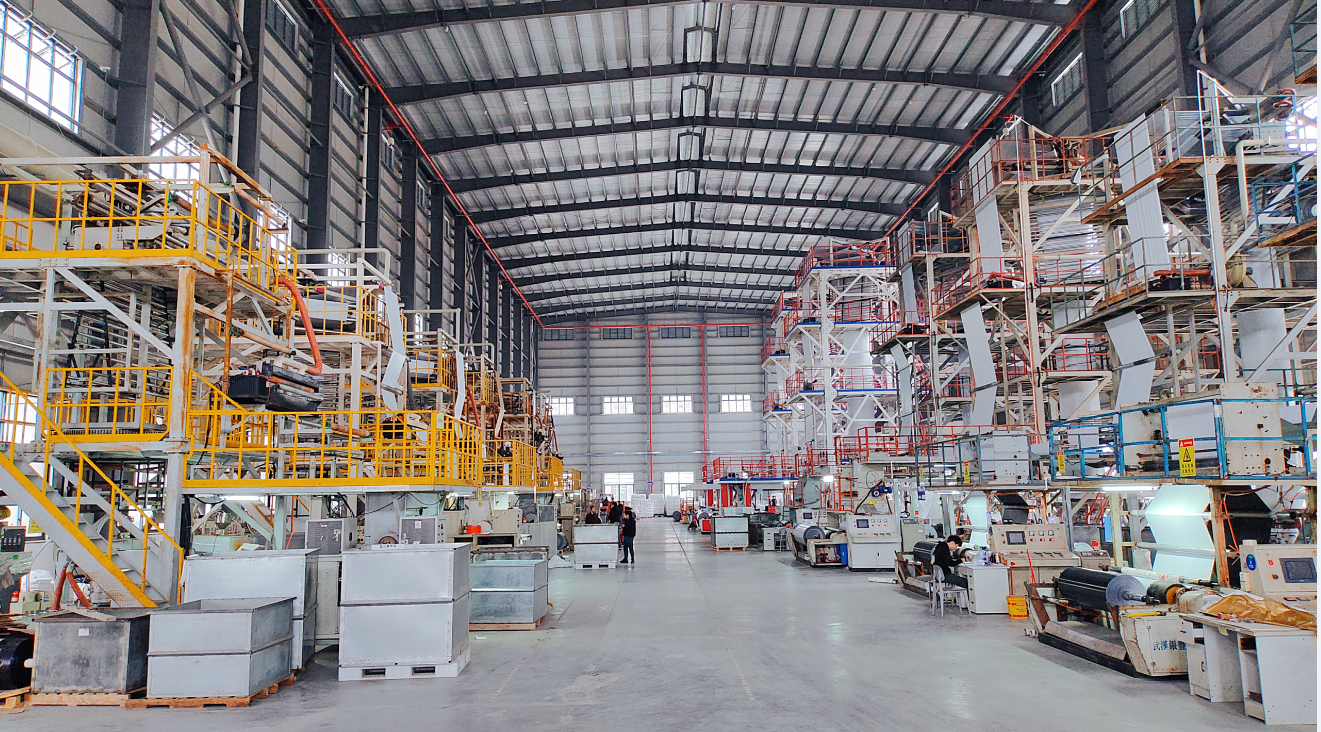
The COVID-19 disruptions in 2020 provide a clear anchor: firms with regionalized production and transparent modal planning resumed operations faster and incurred lower emissions spikes than those dependent on single-source offshore suppliers. This historical event underscores the operational value of distributed production for packaging—both in resilience and in carbon management—and validates the modeling approach described above.
Advisory: three critical evaluation metrics for procurement decisions
1) Carbon-per-parcel (kg CO2e): Include embodied, inbound transport, and predicted reverse logistics. This single metric aligns sustainability and operations. 2) Lead-time variance (% deviation from forecast): Choose suppliers whose variance supports your fulfillment SLA; high variance negates modal carbon savings. 3) Total landed cost with tooling amortization: Compare scenarios over a multi-year horizon, incorporating prototyping runs and expected order growth.
When these three metrics are tracked and weighted in procurement decisions, sourcing moves from guesswork to a repeatable, auditable process. Operational teams should pair them with contractual KPIs and supplier transparency on material origin. For organizations seeking a pragmatic partner that offers both localized flexibility and scale, WH Packing often aligns with this data-driven procurement logic—integrating custom production capabilities with supply-chain transparency. —
