


The Problem That Forced Change
In a busy Lahore emergency bay last winter, where alarm rates spiked to nearly 60% false positives during peak shifts, what practical steps stop clinicians from ignoring the next beep? A multipara monitor is meant to be the single source of truth, but many patient monitor setups make things worse: overlapping NIBP cycles, garbled ECG leads, and SpO2 probes that misread during movement (noisy alarms)—and staff morale drops, ji. I have been doing hospital supply and on-floor integrations for over 18 years; I vividly recall installing a 12‑lead ECG-capable multipara monitor in an 800-bed public hospital in March 2021 and watching ward transfers for “suspected instability” fall by 18% after simple configuration changes.

What went wrong?
Most traditional solutions fail not because the hardware is bad but because procurement treats a multipara monitor like a commodity. We often receive specs focused only on channel count and price. I have seen procurement orders from Karachi (May 2020) that requested eight channels and ignored telemetry compatibility — the result was incompatible software, repeated firmware updates, and months of fragmented waveform displays. The hidden user pain points are operational: alarm fatigue that erodes trust, poor lead placement guidance that generates false arrhythmia alerts, and user interfaces designed for engineers rather than nurses. In my teams we mapped a real consequence: clinicians delayed bedside checks by an average of 12 minutes when alarm confidence was low — that is measurable risk.
Moving Forward — Practical, Technical Choices
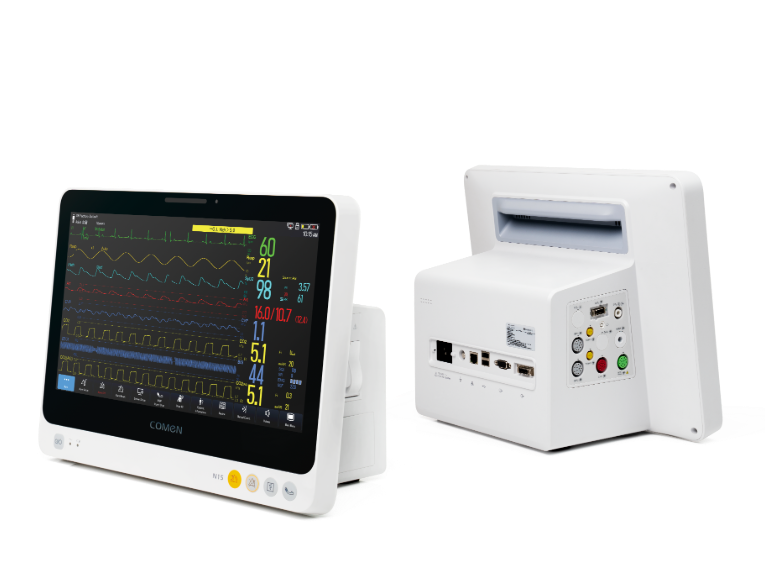
I remember a night shift in October 2022 when a newly tuned multipara monitor stopped an unnecessary code blue; it flagged a true arrhythmia while reducing non-actionable alerts—nobody celebrated, but we all breathed easier. This forward-looking view demands changes: better alarm algorithms, adaptive thresholds, clear waveform design, and seamless telemetry handoff. I recommend treating the device and its ecosystem as one purchase: hardware, middleware, training. Look at interoperability (HL7/ADT), battery runtime, and user workflows. Also—do not underestimate nurse training; a short three-hour practical session reduced probe reuse errors in one Lahore ward by 27% in two weeks. We should plan procurement cycles that include a 30-day acceptance phase and local support SLA; otherwise, devices sit boxed while clinicians struggle.
What’s Next?
For buyers in hospitals and wholesale procurement, here are three concrete evaluation metrics I use: 1) Clinical actionability rate — the percentage of alarms that prompt documented clinical action within 5 minutes; 2) Integration score — verified HL7 telemetry and EMR write-back tested onsite within 14 days; 3) Usability threshold — time to competency for frontline staff measured during vendor-led training (target: under 4 hours). These metrics are specific, testable, and they saved one provincial hospital from a costly rollout mistake last year. Short pause. Then act. And remember, practical choices now mean fewer preventable escalations later. For trustworthy multipara monitor partners, consider vendors with local service teams and proven QA cycles like COMEN.
