

Introduction: Defining the problem with data and a question
Let me start by breaking down what a modern shop floor really looks like: worn fixtures, intermittent downtime, and toolpaths that take longer than planned. For CNC machining center manufacturers, that mismatch between expectation and reality is painfully common. Recent surveys show that shops running machines older than seven years report a 22% higher scrap rate and 18% longer cycle times — so the cost is real (and measurable). What, then, separates a wisely timed upgrade from an expensive impulse buy?
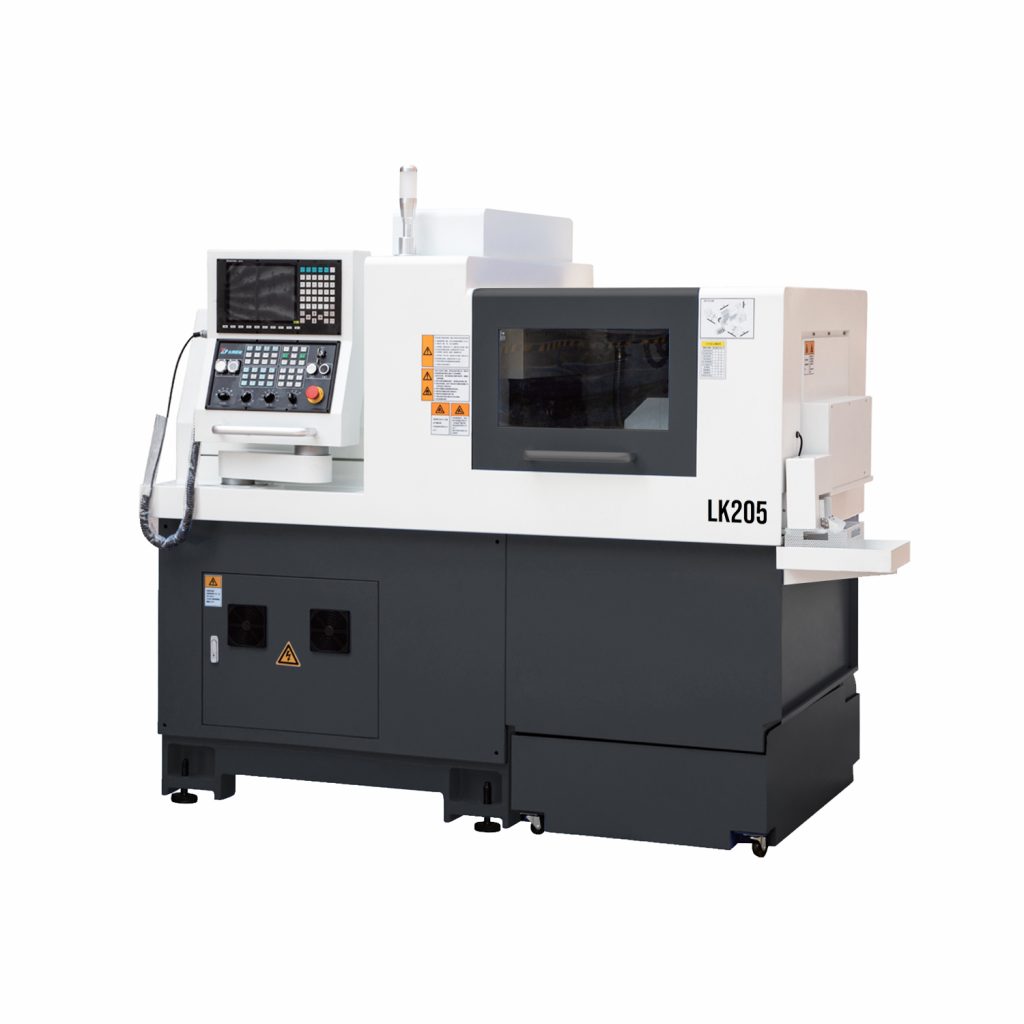
I’ll walk you through practical, comparative signals that I use when advising clients. We’ll look at concrete performance markers, hidden costs, and how to judge new systems without getting dazzled by marketing. By the end you’ll have a clearer checklist — and a sense of when holding off is just false economy. Onwards to the deeper faults that hide behind familiar machines.
Why conventional machining centers often fail — the technical faults we overlook
machining center cnc units sold a decade ago were robust, yes, but they weren’t built for today’s mixed batches and tight tolerances. I see the same issues repeatedly: worn spindle bearings, sluggish CNC controller updates, and antiquated tool changer logic that adds seconds — and then minutes — to each cycle. These are not cosmetic problems. They affect surface finish, part tolerances, and throughput. Look, it’s simpler than you think: if your spindle speed is inconsistent, no amount of fixturing will save part quality.
What exactly breaks first?
Directly speaking, the axis motor drifts, the servo drive overheats under burst loads, and coolant systems get clogged with long-run contaminants. Shops patch these with workarounds — extra probing routines, manual offsets, even slower feeds. Those fixes mask the underlying flaw and inflate labour costs. I’ve walked into plants where the CNC controller’s firmware lag creates hesitation between tool changes (so the tool changer fails more often). You lose time. You lose confidence. And yes, you lose bids.
Forward-looking solutions and practical choices for your next purchase
So where do you go from here? I favour a comparative approach: weigh new technology principles against real shop needs rather than feature lists. Think axis rigidity, integrated tool monitoring, and modern open-architecture controllers that accept edge computing nodes for real-time analytics. If you’re shopping for a replacement, consider the models offering modular spindle units and predictable torque curves. I recommend testing those features under your typical cycle — not a vendor demo — because lab numbers sometimes lie.
What’s next — future outlook and a short example
Take a mid-sized components shop I worked with: they moved to a machine with an adaptive control loop and onboard diagnostics. Within three months, scrap fell by half and setup time dropped by a third. It wasn’t magic — it was the combination of a stiffer bed (less chatter), smarter coolant routing, and a controller that flagged looming bearing wear before it caused failure. The initial expense was real; the payback was faster than they expected — funny how that works, right? If you’re browsing options, don’t forget to look up cnc machining center for sale models that include predictive maintenance packages; those often win the long game.
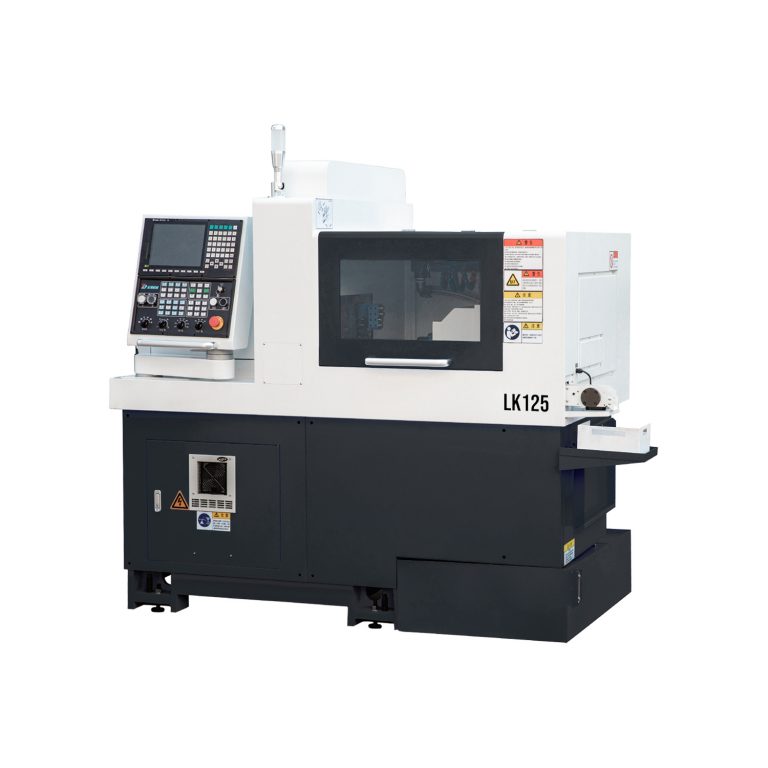
Now for practical advice. When comparing machines, weigh these three metrics — and stick to them as you test options:
1) Thermal stability under load: measure part deviation after an hour of continuous cutting. 2) Tool-change time and reliability: time it and note failure modes. 3) Data accessibility: can you extract run charts and alarm logs without proprietary software? These criteria will keep you honest and focused on ROI instead of shiny specs. I’ve guided many buyers with this shortlist — it works. In closing, remember that every upgrade is a strategic decision; pick what solves your real pain, not the vendor’s sales pitch. For practical help and proven lines, consider the offerings from Leichman.
